


This information is key to understanding how real buyers of premium sports cars view electrification and what purposes it actually serves.
Hybrid Ferrari Models in the Current Lineup
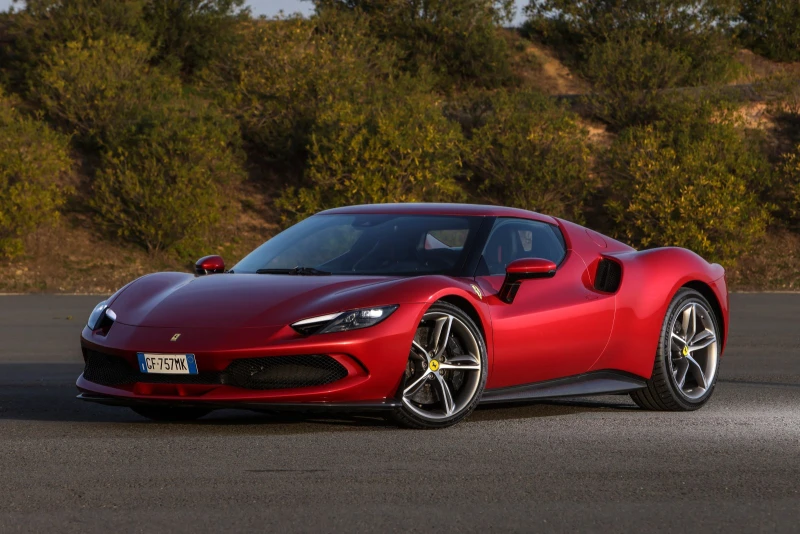
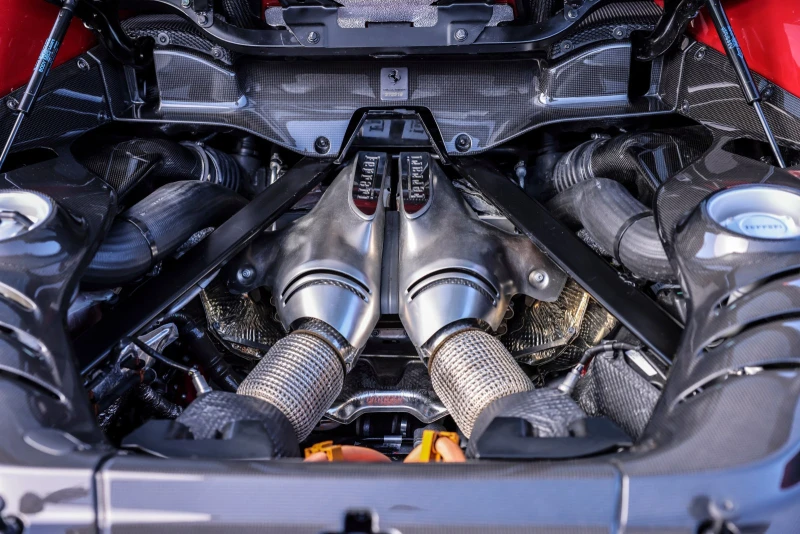
In recent years, Ferrari has significantly expanded its range of models with plug-in hybrid systems. Formally, the lineup includes about ten different versions, but essentially, it revolves around a few base platforms from which coupes, roadsters, and special editions are derived. From a commercial perspective, these vehicles are successful and sell steadily.
However, the presence of a hybrid powertrain does not mean it is the decisive factor in purchasing. Ferrari customers traditionally focus on power, engine sound, handling, and the brand's image, rather than ways to reduce fuel consumption or emissions.
How Owners Use Hybrid Systems
Based on data collected by Ferrari over several years of operation, most owners rarely charge their vehicles from external sources. The company does not disclose exact figures but emphasizes that regular charging is the exception rather than the rule.
Even more telling is the choice of driving modes. The most commonly used is Performance mode, where the internal combustion engine runs continuously, and the electric part only assists in briefly boosting output. In hybrid mode, where the system can temporarily shut off the engine and drive on electric power, the vehicles are used much less frequently.
Reasons for This Behavior
This usage pattern is explained by the specifics of the vehicles themselves. Electric mode is primarily intended for short and calm trips, whereas most Ferrari owners drive their cars for dynamics and emotional experiences. Additionally, in Performance mode, the battery remains sufficiently charged to provide maximum power, eliminating the need for subsequent recharging.
Technical and Practical Implications
From an engineering standpoint, the hybrid system increases weight, structural complexity, and vehicle cost. Yet its benefits in everyday operation remain underutilized. Additional power could be achieved by refining the traditional engine without complicating the powertrain layout.
Ferrari notes that more active use of the electric component could theoretically extend battery life and reduce load on the internal combustion engine, especially during short urban trips. However, in practice, such arguments do not change owners' habits.
Why Ferrari Continues Electrification
Despite the clear gap between hybrid technology capabilities and actual customer behavior, Ferrari persists with its chosen path. The primary reason remains regulatory requirements and the need to formally reduce average emissions across the model range.
Conclusion
Ferrari's experience shows that in the segment of ultra-expensive sports cars, hybrid technologies are used differently than originally intended. For most owners, they are not a core value and remain an auxiliary element that is rarely employed as designed. This highlights the difference between automakers' regulatory goals and their customers' real expectations.