The document is positioned as a step toward European automakers, but its consequences for companies that have already invested in local production may be ambiguous. This is particularly relevant for Škoda, which has been actively developing its business in India in recent years.
Indian Market and Position of European Brands
Based on last year's results, India ranked third globally in new car sales volume — about 4.4 million vehicles. Meanwhile, the share of European brands remains minimal at around 4%. High import duties, reaching 80–110%, have long been the key barrier.
The only effective way to lower prices for buyers has been local assembly. Few companies have pursued this route, including Škoda. However, even with local production, competition comes from Indian giants like Maruti Suzuki and Tata Motors, which operate in nearly all segments and maintain extremely low prices.
Škoda's Growth in India
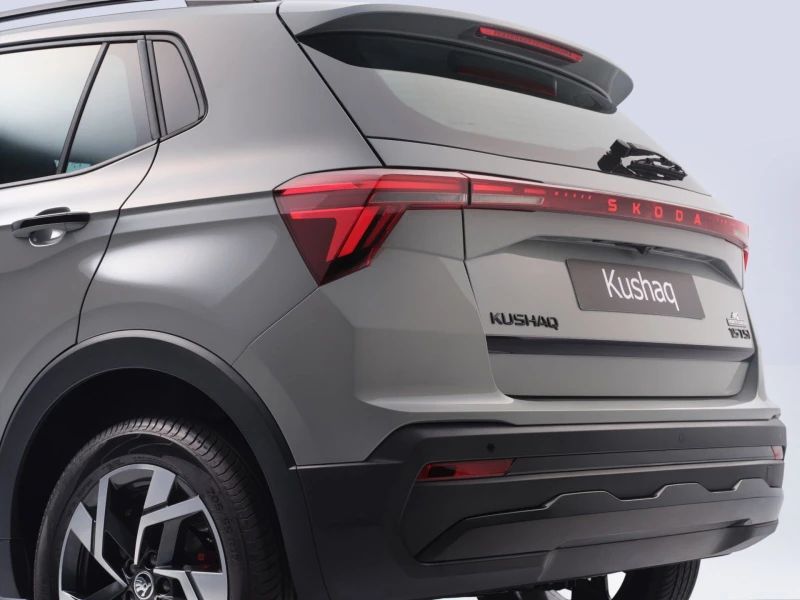
Amid challenging conditions, Škoda has demonstrated positive momentum in recent years. Two years ago, the brand sold about 36,000 vehicles, while last year volumes rose to 70,600 units, representing nearly a 100% increase.
India has become one of Škoda's key markets, trailing only Germany, the Czech Republic, and the United Kingdom in sales volume. This achievement is largely due to models designed specifically for the local market and manufactured at Indian plants.
Essence of the New Trade Agreement
According to preliminary details, the EU-India agreement includes a substantial reduction in import duties. For the first 250,000 vehicles imported annually from Europe to India, the rate is set at 10%. For volumes exceeding this, a 40% duty is planned.
Certain restrictions remain in place. For the first five years, the preferential regime will not apply to European-produced electric vehicles. High duties will also persist for cars priced up to 15,000 euros.
Why This Matters for Škoda
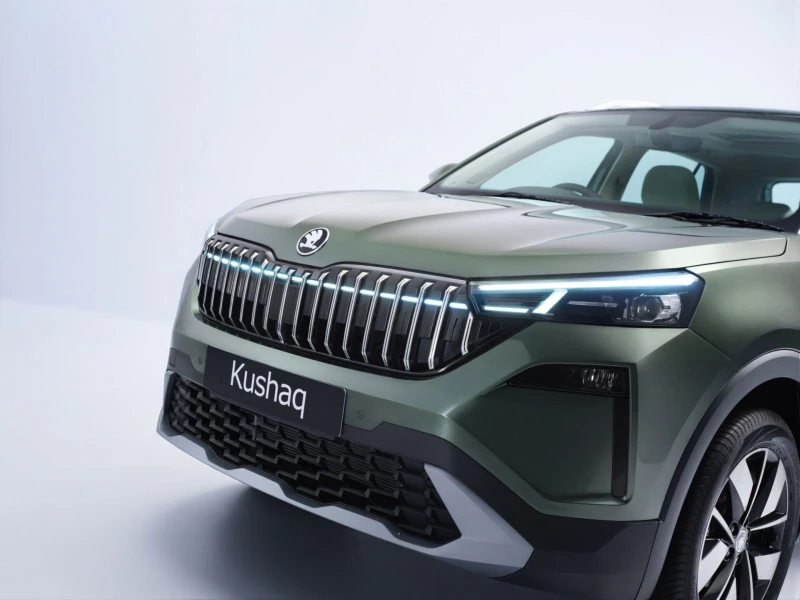
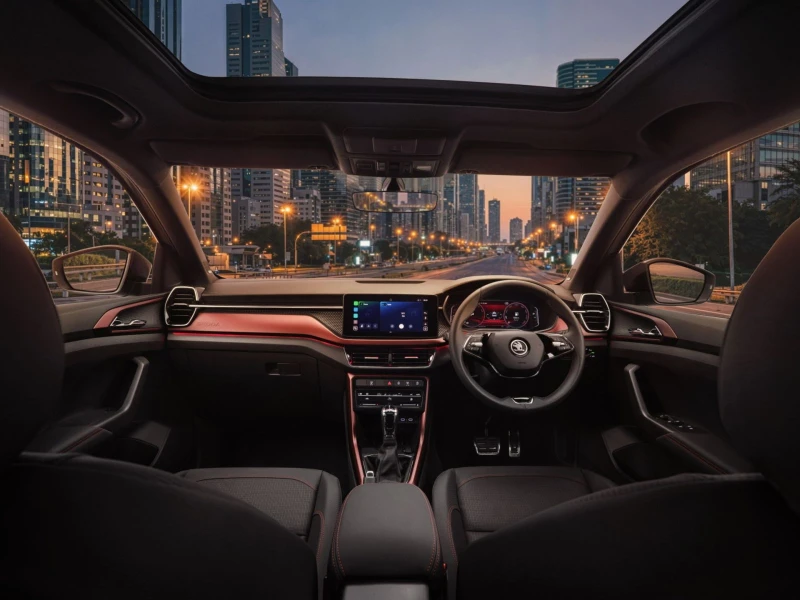
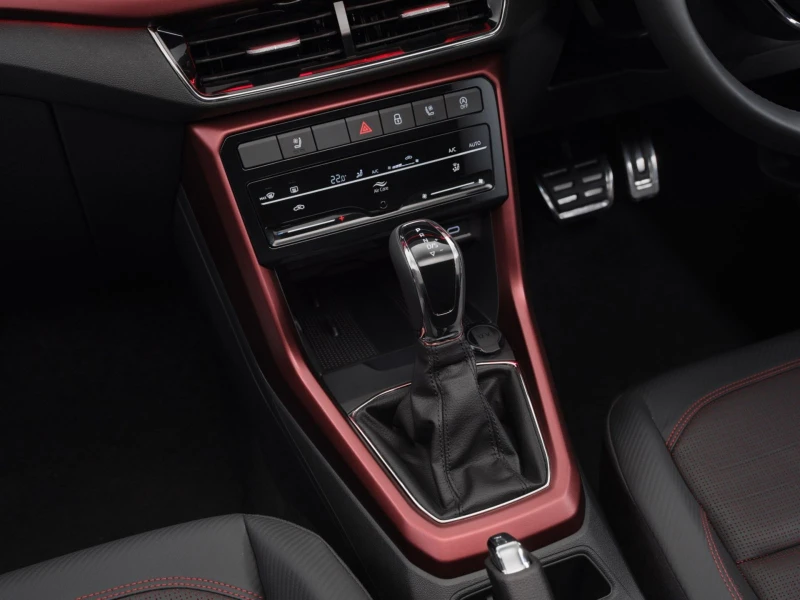
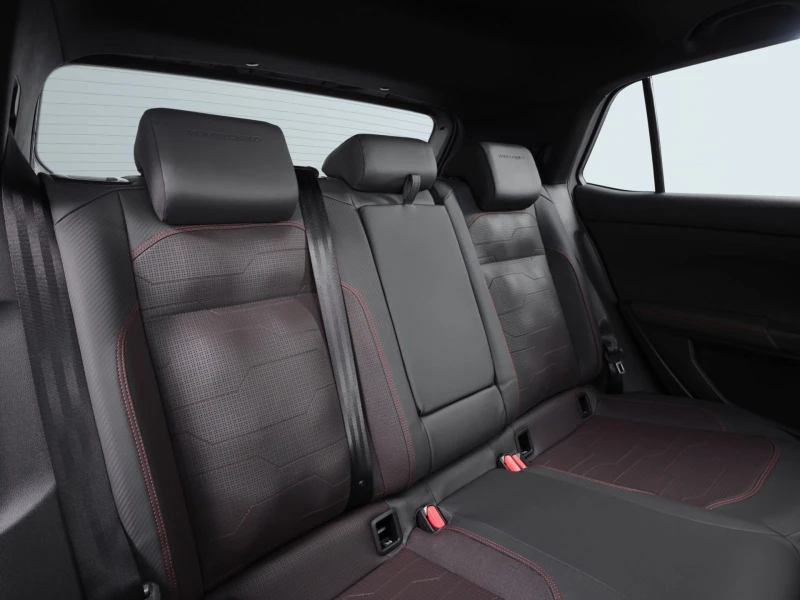
Most Škoda models for India — Kylaq, Kushaq, and Slavia — are locally produced and sold at prices ranging from 7,000 to 10,000 euros. These vehicles do not qualify for benefits initially, as no European equivalents exist in this price range.
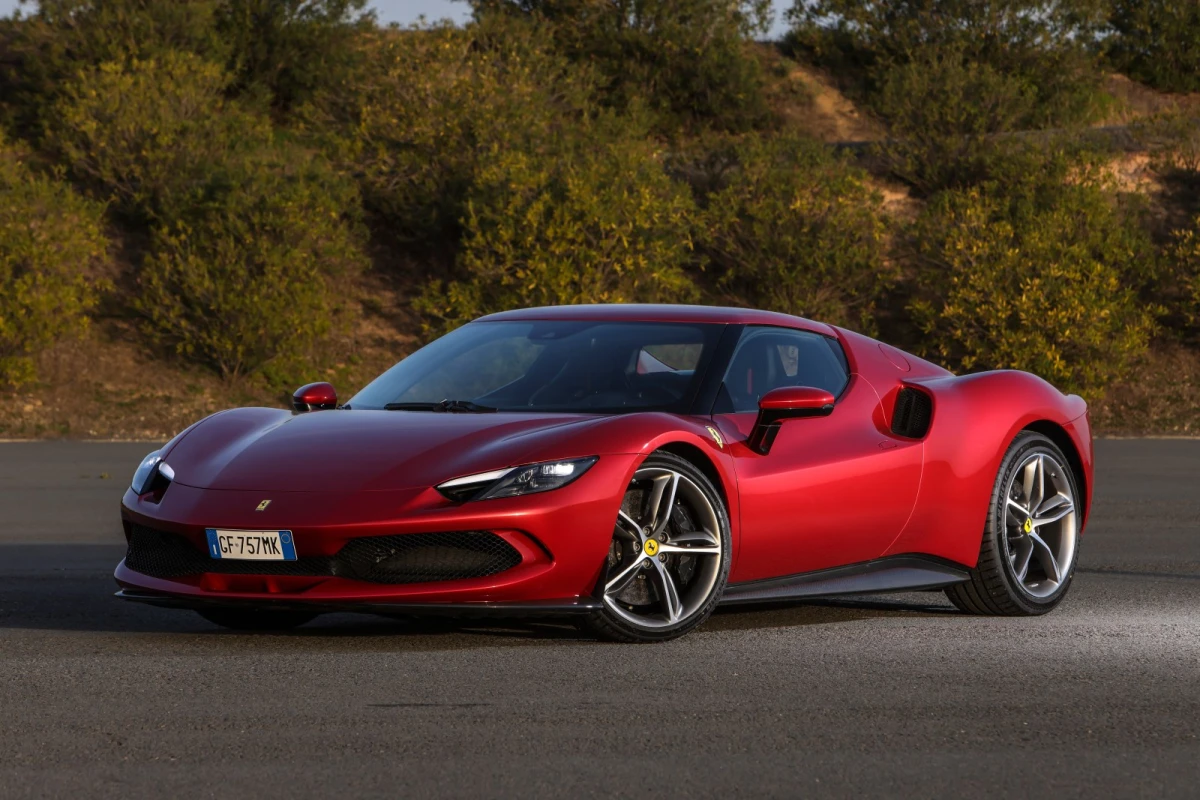
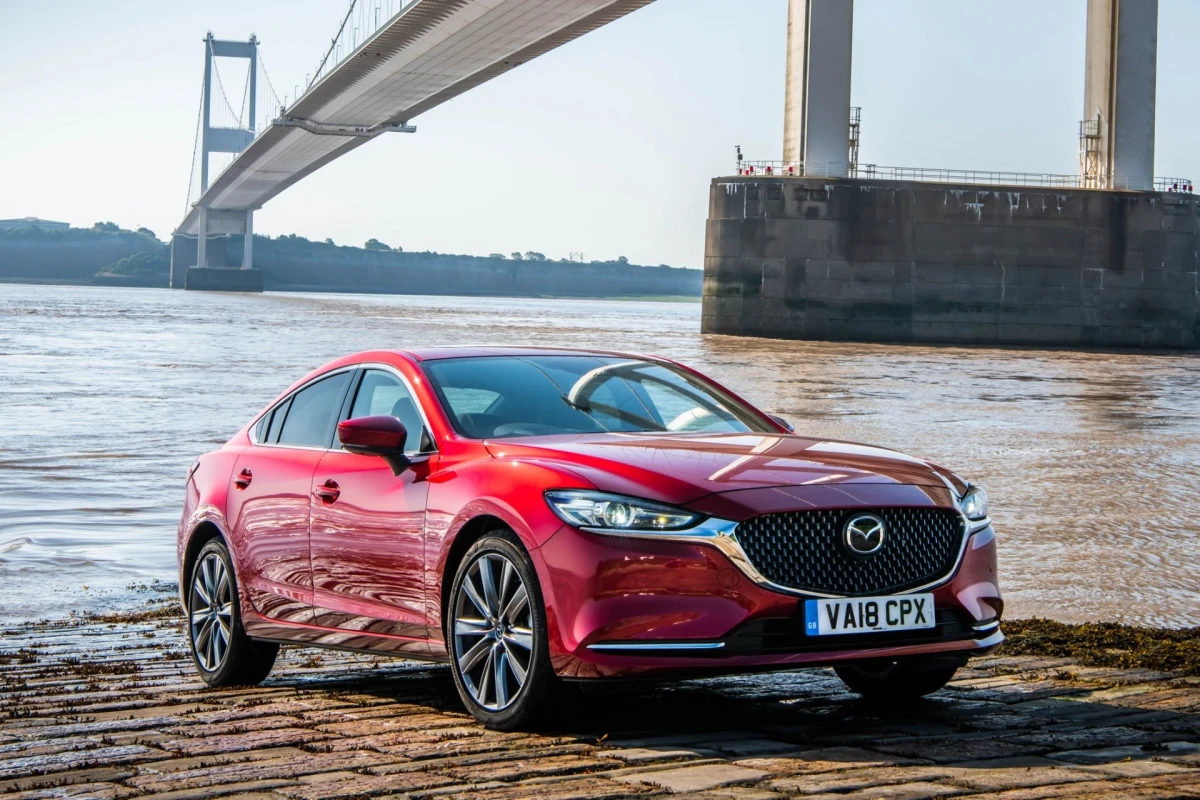
However, lower duties pave the way for importing higher-end models, such as the Škoda Superb. Simultaneously, other European brands that have not invested in local production will gain easier access to Indian consumers.
Potential Consequences
For Škoda, this signifies heightened competition. The benefits of local assembly are partially offset, as new entrants can offer imported models at more competitive prices. Consequently, the market will become more crowded, intensifying the battle for customers.
Conclusion
The EU-India trade agreement generally opens new opportunities for the European automotive sector and lowers entry barriers to a major market. Yet, for companies already committed to local production, including Škoda, the impact may be mixed: rising competition could constrain further consolidation of gains made in recent years.