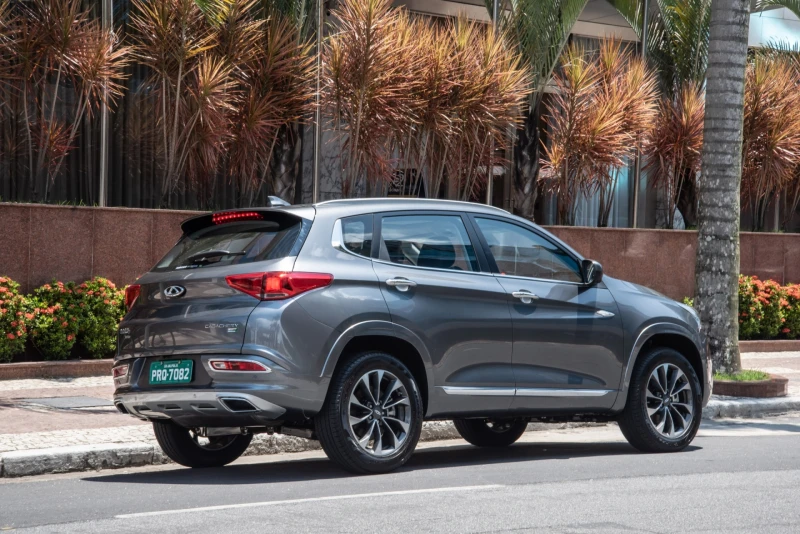
The Chery Tiggo 7 / 7 Plus / 7 Pro / Pro Max remains a relevant entry in the Chinese compact-SUV segment, but owners have reported several traits and shortcomings that can affect day-to-day use. This article covers the most common Chery Tiggo 7 / 7 Plus / 7 Pro / Pro Max I problems, issues reported on 2016–present vehicles, and the key considerations when shopping for a used example in the United States. The information is based on owner feedback and service records. For a broader overview of the generation, specifications, and interior, see the other articles in this series.
Main Drawbacks and Ownership Quirks
Owners of the first-generation Chery Tiggo 7 / 7 Plus / 7 Pro / Pro Max mention several issues that may influence the ownership experience. The points below reflect patterns found across owner forums, review sites, and service reports.
Real-world fuel economy can fall short of the official figures. Drivers of 1.5-liter turbo models with the SQRE4T15 engine, rated at 147 hp, commonly report about 26–34 mpg in mixed driving. City use, heavy traffic, and CVT tuning can reduce that figure further. The 1.6-liter turbo SQRF4J16, rated at 197 hp, typically returns around 24–29 mpg. Poor-quality gasoline or using an octane grade below the manufacturer’s recommendation can increase consumption and may affect performance, so owners should use quality unleaded fuel in the AKI grade listed for the specific engine and calibration.
The infotainment system, usually paired with an 8- to 10.25-inch display, is sometimes criticized for slow responses, particularly in pre-2020 models. Built-in navigation is available on some versions, while wired Android Auto and Apple CarPlay integration may lag or disconnect. Later Pro and Pro Max models offer better compatibility, although wireless smartphone integration is not always standard.
Cabin insulation is not always as refined as buyers may expect in this class. Tire and wind noise become noticeable above roughly 68 mph, especially on coarse concrete or worn interstate pavement. Some owners also report suspension vibrations entering the cabin. Pro Max versions introduced after 2023 generally perform better thanks to added sound-deadening material.
Entry-level trims use hard plastic in lower sections of the cabin. The material is durable, but it can make the interior feel less upscale. Higher trims with synthetic leather or leather upholstery look and feel better, though gloss-black trim pieces tend to scratch with age.
Service access can be difficult because of the tightly packed engine bay and drivetrain layout. Certain jobs, especially work involving the dual-clutch transmission, may require model-specific tools and a technician familiar with Chery vehicles. Routine suspension parts and filters are generally affordable, but 7-DCT and AWD components on Pro Max models can cost more and may take longer to source in the United States.
Model Years and Versions to Inspect Closely
Early vehicles from 2016–2019 may have less refined CVT calibration. On 1.5-liter turbo versions, this can show up as hesitation or light shuddering at low speeds. The issue does not affect every vehicle, but it appears often enough in owner reports to justify a careful test drive.
Other reported concerns include infotainment freezes, delayed touchscreen responses, and occasional false alerts from driver-assistance systems. Less common problems include turbocharger wear on high-mileage 1.5-liter engines and fluid leaks or engagement issues in the AWD system fitted to some Pro Max versions.
Updates improved the vehicle over time. The 2020 Tiggo 7 Pro refresh brought softer suspension tuning, revised CVT software, and better cabin insulation. From 2023, Pro Max versions paired the 197-hp 1.6-liter turbo engine with a 7-speed dual-clutch transmission, improving acceleration and responsiveness. Later vehicles are generally more polished, although gray-market imports may have market-specific software, lighting, safety, or emissions configurations that require extra verification in the United States.
Used-Car Market in the United States
In the United States, the Chery Tiggo 7 / 7 Plus / 7 Pro / Pro Max is a niche used vehicle rather than a mainstream dealer-supported model. Most examples are privately imported vehicles, so supply is limited and pricing varies widely by title status, federal and state compliance, mileage, condition, and parts support. Approximate market price for the United States: about $12,000–$24,000 for a properly documented 2018–2023 vehicle, although unusual imports can fall outside that range.
Body condition depends heavily on where the vehicle was used. Cars from salt-belt states may show paint chips and corrosion around wheel arches, rocker panels, suspension mounting points, and the underbody. Vehicles kept in dry climates such as Southern California or Arizona may have less rust, but sun damage to exterior trim, seals, and interior surfaces can be more noticeable. A pre-purchase inspection on a lift is strongly recommended.
A complete service history is especially important. Vehicles without verifiable maintenance records may hide CVT, DCT, turbocharger, or electrical problems. Parts should be checked by VIN whenever possible, since gray-market imports can use market-specific components that are difficult to match through U.S. parts catalogs.
Mileage should be verified through all available records, including import documents, inspection reports, service invoices, and databases such as CARFAX or AutoCheck when coverage exists. Many imported vehicles were originally built for China, Europe, the Middle East, or another export market, so the multimedia language, navigation, emissions equipment, lighting, crash standards, and diagnostic software may not match U.S. requirements. Typical listings are 1.5-liter turbo, front-wheel-drive Premium trims with roughly 50,000–75,000 miles.
What Can Be Fixed and What to Budget
Many of the model’s weaknesses can be improved. Additional sound-deadening material in the doors, floor, cargo area, and wheel wells can reduce road noise. Infotainment upgrades may include a newer head unit with reliable Apple CarPlay and Android Auto support, although installation should preserve factory controls, cameras, and vehicle settings.
Worn seat trim and damaged plastic pieces can be replaced with original or aftermarket parts, but availability in the United States may be inconsistent. Suspension work—such as replacing shocks, control arms, bushings, or links—can restore ride quality. Rust prevention may include cleaning and sealing the underbody and wheel arches. Routine maintenance should include timely engine-oil and filter changes, inspection of turbocharger plumbing, and replacement of CVT or DCT fluid at approximately 25,000-mile intervals when required by the applicable service schedule.
Buyers should keep a repair reserve based on the vehicle’s condition and parts availability. For a rare imported example, setting aside roughly 15–25% of the purchase price for catch-up maintenance, shipping, diagnostics, and initial repairs is reasonable. On vehicles with more than 62,000 miles, common corrective work may cost anywhere from several hundred dollars to $3,000–$5,000 if transmission, turbocharger, electronics, or AWD components are involved.
Bottom Line and Buying Advice
The first-generation Chery Tiggo 7 / 7 Plus / 7 Pro / Pro Max can make sense as an urban crossover for buyers who prioritize equipment and value. It offers an alternative to better-known compact SUVs, but in the United States the lack of a broad dealer and parts network adds a level of ownership risk.
The more desirable versions are generally 2023-and-newer Pro Max models with the 197-hp 1.6-liter turbo, 7-DCT, and AWD, or the simpler 147-hp 1.5-liter turbo with a CVT and front-wheel drive. Premium trims usually provide the best balance of features and resale appeal.
For a new or nearly new import, confirm that all software updates have been installed and that the vehicle can be legally registered, insured, and serviced in your state. For a used vehicle, listen for suspension knocks, test the CVT or DCT for hesitation and shuddering, inspect the turbo system, check carefully for corrosion, and verify the full maintenance and import history. An interstate-speed test drive can reveal noise, vibration, and stability issues that may not appear around town.
With careful inspection and realistic expectations, the Tiggo 7 family can be practical and well equipped. However, buyers in the United States should place extra emphasis on documentation, parts access, and long-term service support.