The model, distinguished by its striking design, high power output, and comprehensive equipment, has depreciated noticeably after several years of operation. For buyers of used vehicles this may appear as a favorable development, yet for first owners the trend signifies a substantial loss in residual value.
Why Interest in the e-tron GT Has Resurfaced
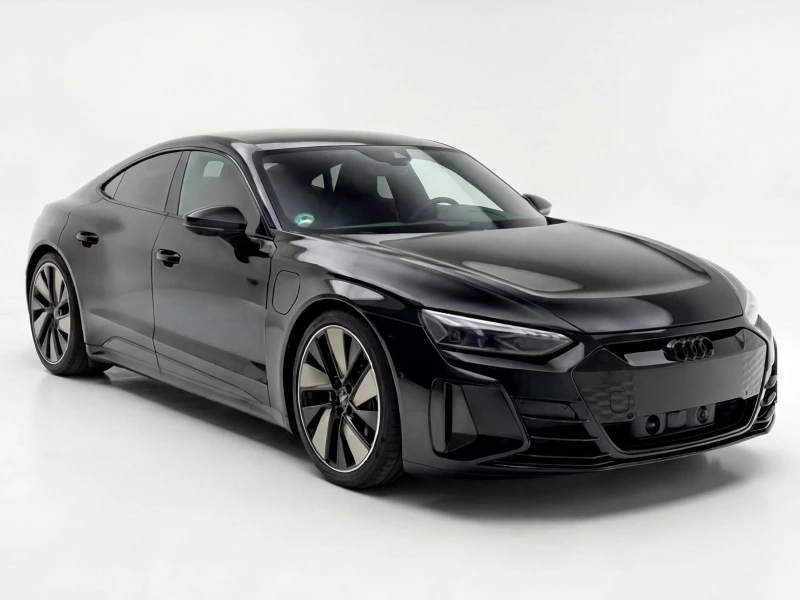
The Audi e-tron GT entered the market as a technologically advanced electric grand tourer closely related in concept and technical base to the Porsche Taycan. The vehicle features a low-slung body, sporty seating position, powerful variants, and elevated status within the Audi lineup. Commercially, however, the model has not achieved widespread success. In Europe demand remains limited, and the modest volume of new sales also influences buyer perceptions of used examples.
For the premium segment this is particularly relevant. Expensive vehicles typically lose a portion of their value quickly in the early years, but with costly electric vehicles the process can be notably more pronounced. Value is affected not only by age and mileage but also by advancements in battery technology, concerns over battery durability, driving range, charging speed, and the model’s overall liquidity.
Example of Notable Price Depreciation
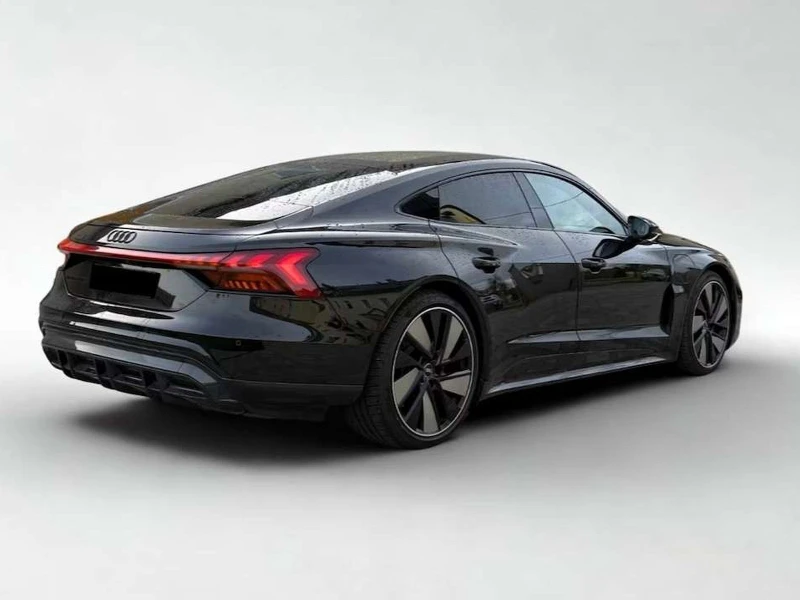
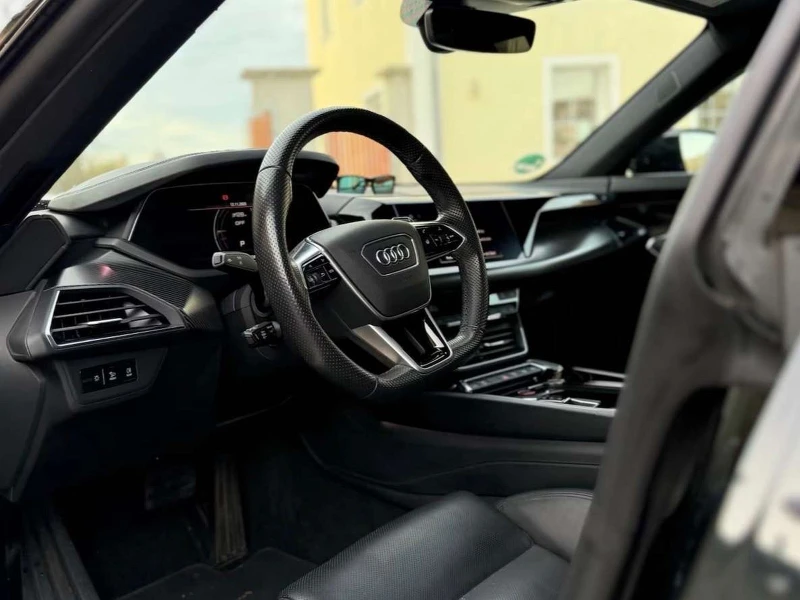
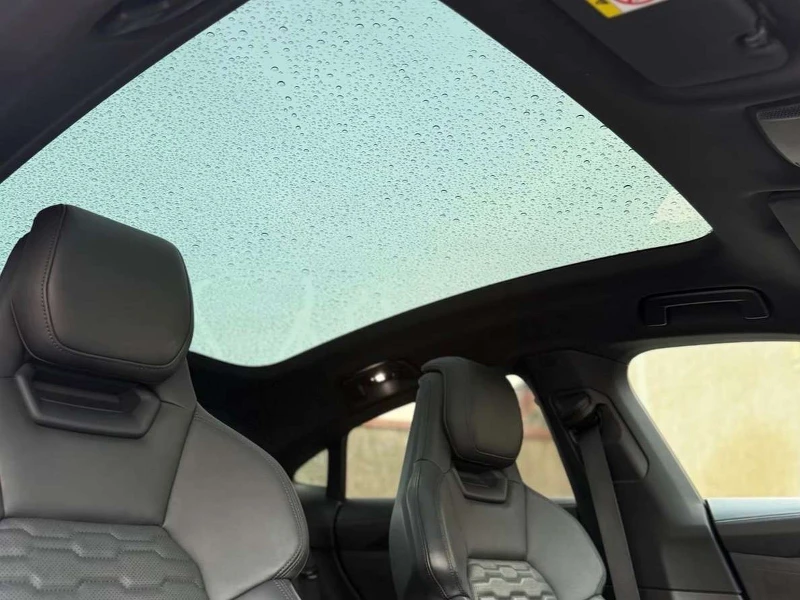
One illustrative case involves a 2021 Audi e-tron GT with approximately 89,000 km on the odometer. The vehicle is in a high specification and does not represent a base model. Equipment includes matrix LED headlights with laser high-beam function, 21-inch wheels, air suspension, four-wheel steering, ventilated and massaging sports seats, and a Bang & Olufsen audio system.
Technically this refers to a variant delivering up to 530 hp with an 83.7 kWh battery. For a new vehicle of this class such a configuration represented an expensive specification: the original price exceeded 130,000 euros. The example is currently listed at approximately 43,990 euros. The difference amounts to more than 86,000 euros after only a few years and several tens of thousands of kilometers.
Why Premium Electric Vehicles Depreciate So Rapidly
Accelerated value loss is linked to several concurrent factors. First, the electric vehicle market evolves more quickly than the market for internal combustion engine vehicles. New models receive more efficient batteries, improved charging systems, and modern electronics, causing earlier premium electric vehicles to be perceived as outdated at a faster rate.
Second, buyers of used electric vehicles assess battery condition with greater caution. Even when a vehicle appears well maintained, the battery remains the most expensive component and its actual state is critical for future usability. Third, practical driving range holds particular importance for vehicles such as the e-tron GT. High power output and sporty character do not always align with the demands of long-distance travel without frequent charging stops.
Power Delivery and Real-World Limitations
A distinct characteristic of high-performance electric vehicles is the difference between peak and sustained power delivery. Manufacturers specify impressive maximum figures, yet under real-world conditions the battery and cooling systems may limit consistent output. For electric sports models, therefore, not only acceleration figures but also the ability to maintain high loads over extended periods matter.
For typical owners this distinction is not always critical, particularly during urban use. For a vehicle positioned with the image of a sporty grand tourer, however, such nuances influence market perception and residual value.
Summary
The Audi e-tron GT remains a technically interesting and well-equipped electric vehicle. Its example nevertheless highlights the risks associated with acquiring expensive battery-electric models early in their lifecycle. Rapid technological development, limited demand, and high initial pricing contribute to a steep reduction in residual value. On the used market this creates access to a premium vehicle at substantially lower prices, while for first owners it becomes one of the more tangible costs incurred during the ownership period.