For the brand, this represents an important step, as in recent years its European lineup has changed noticeably and become more focused on crossovers, hybrids, and electric vehicles. The new models demonstrate that in select markets Subaru still intends to maintain a connection to its engineering heritage.
How Subaru's European Lineup Has Changed
Until recently, Subaru was associated not only with practical all-wheel-drive vehicles but also with sporty models. One of the brand's main symbols was the Impreza WRX STI with its turbocharged boxer engine and manual transmission. The BRZ coupe held a special place, offering rear-wheel drive, low weight, and responsive handling.
Today, the European lineup looks different. The core offering consists of SUVs, and some new models feature electric powertrains. Such technology is typically paired with automatic transmissions, and traditional manual gearboxes have gradually disappeared even from more affordable versions. For example, the base Impreza in Europe no longer offers the previous sporty character and is limited to moderate power output.
Subaru's New Sports Vehicle Program
In Japan, Subaru has decided to support the direction of driver-focused vehicles. To this end, the Sports Vehicle Planning Office division has been established. Its task is to transfer solutions from motorsport and sports development to production vehicles intended for ordinary roads.
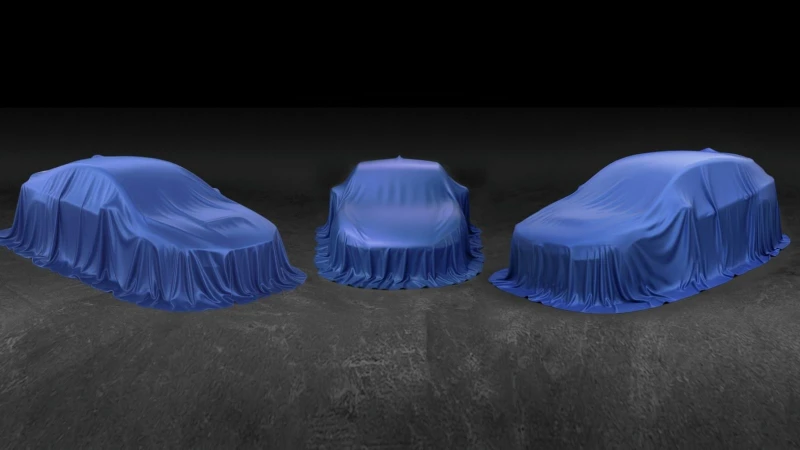
By the end of next year, the company plans to introduce three vehicles equipped with manual transmissions. This is a notable signal for brand enthusiasts, as the market is gradually shifting toward electrification, automatics, and versatile crossovers. However, such models will likely be oriented primarily toward Japan and the United States.
The Return of a Robust Manual Transmission
For two of the upcoming models, Subaru references the TY85 index. It is associated with the manual transmission familiar from the previous WRX STI. This gearbox is larger and more robust than simpler units like the TY75 and TL70, and is therefore designed for higher torque and more demanding use.
A key feature of this transmission is its combination with the DCCD system — a driver-controlled center differential. Subaru previously used this setup on the WRX STI, where the driver could influence torque distribution between the axles. For the brand, this is not merely a technical detail but part of its signature approach to sporty all-wheel-drive vehicles.
WRX, BRZ, and the New Hatchback
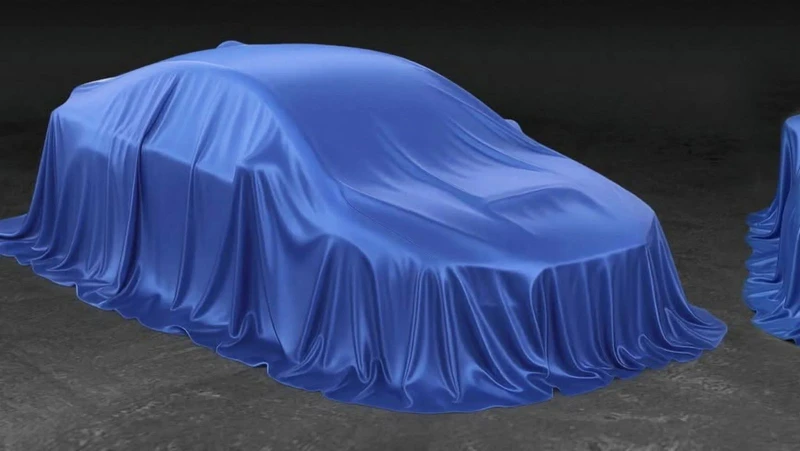
One of the new models is expected to be a new version of the Subaru WRX. The vehicle has so far only been shown under a cover, but a prominent hood scoop indicates a turbocharged 2.4-liter boxer engine. It is anticipated that for the Japanese and American markets, the model will retain a traditional gasoline engine without a hybrid system.
The second model is an updated or special version of the BRZ. Unlike the WRX, the coupe is expected to remain naturally aspirated and rear-wheel drive. The main focus will likely be placed not on a sharp increase in power, but on STI details, weight reduction, steering precision, and a more composed suspension setup.
The third new model appears particularly interesting: a five-door hatchback with permanent all-wheel drive, a turbocharged 2.4-liter engine, and a manual transmission. According to preliminary information, it could become the production version of the Performance-B STI concept. At Subaru, this vehicle is described as an accessible entry-level model created by people who understand and appreciate cars.
Summary
Subaru's plans indicate that the brand is not entirely abandoning its traditional strengths. The new vehicles with boxer engines, manual transmissions, and sporty tuning could become significant models for enthusiasts. However, their introduction in Europe remains unlikely for the time being: the local market and environmental requirements are increasingly shifting Subaru's offerings toward crossovers, automatic transmissions, and electrified powertrains.