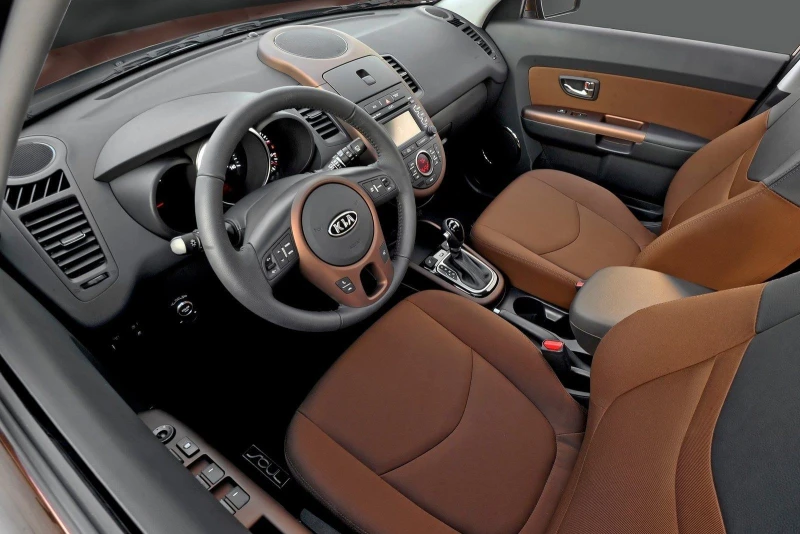
The high seating position, vertical body pillars, and thoughtful packaging create a surprising sense of space inside, despite the vehicle’s compact exterior footprint. In everyday driving on American roads and through our varied climates, the interior proves to be genuinely practical and tough — free of unnecessary complexity but equipped with the right comforts for urban commuting, suburban errands, and longer highway runs.
High Driving Position and Intuitive Controls for Daily Driving
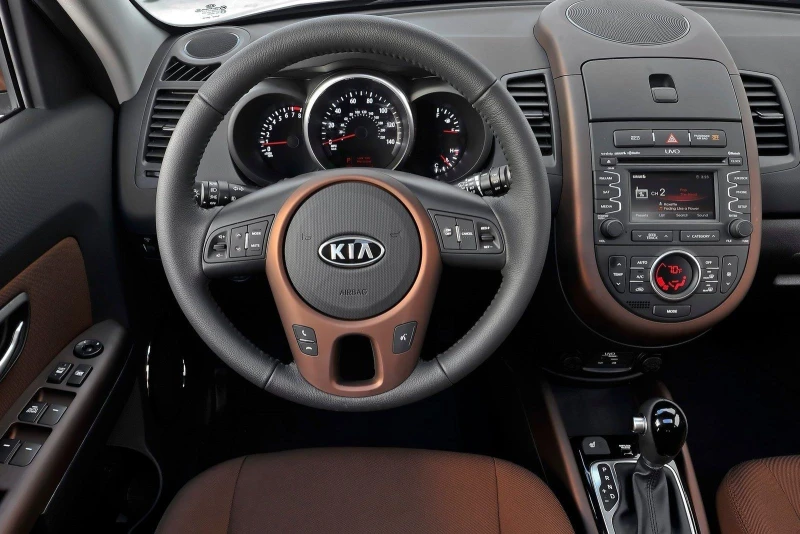
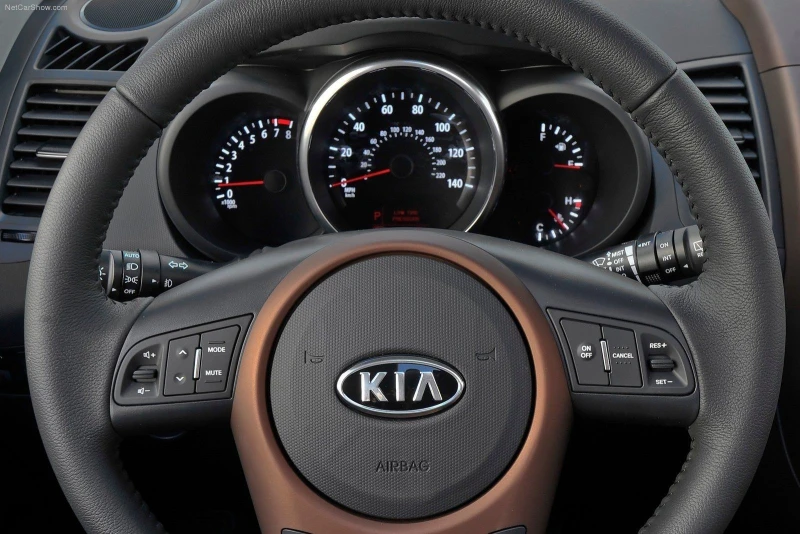
The Soul I cabin revolves around a high, commanding driving position that’s characteristic of this urban crossover. The steering column tilts and telescopes, allowing drivers of different heights to find a comfortable posture quickly. The dashboard layout is clean and straightforward, with large, easy-to-read gauges and minimal visual clutter. The center stack is positioned high, and the climate controls use large buttons and rotary dials that are simple to operate — a thoughtful touch when you’re wearing gloves in winter or need to make quick changes while stuck in traffic.
Day-to-day operation feels natural: critical controls sit in your line of sight, and the infotainment system with its prominent rotary knob (on trims above base) minimizes driver distraction. Visibility forward and to the sides is excellent thanks to relatively slim A-pillars and a tall greenhouse — a real help when squeezing into tight urban parking spots or navigating busy city streets.
Interior Materials and How They Hold Up Over Time
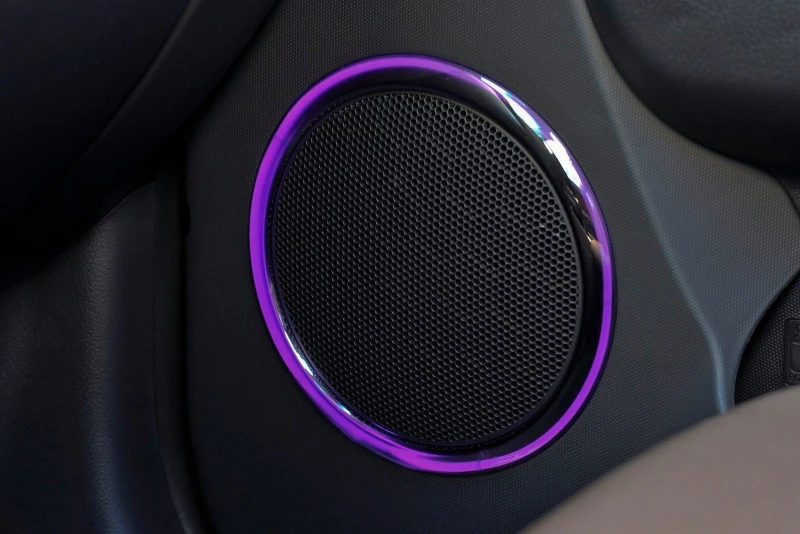
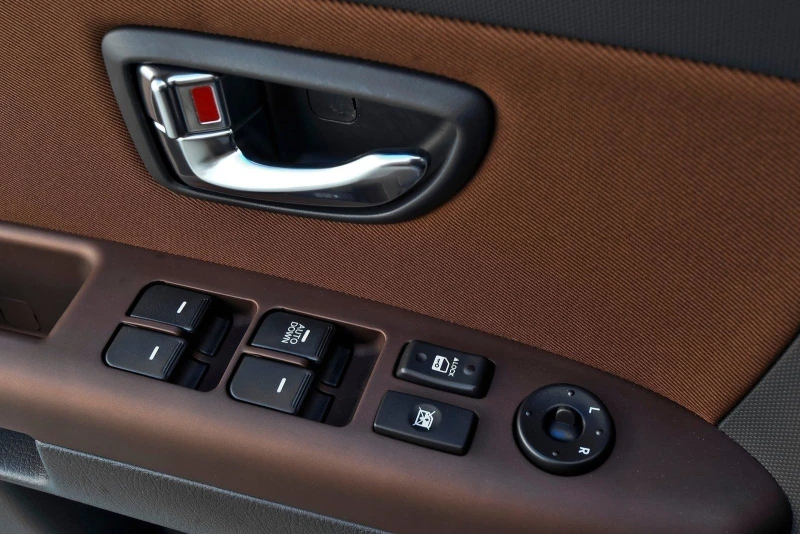
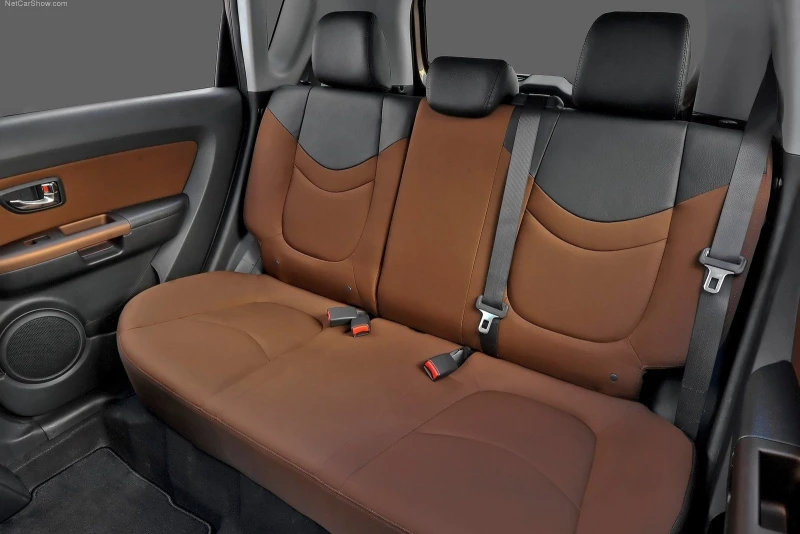
Material quality in the first-generation Soul is appropriate for its class. The upper dashboard and door cards use soft-touch plastics with a pleasing texture, while lower areas employ harder, more scratch-resistant plastics. Base models feature durable cloth upholstery, while mid- and top-trim versions add leather or leatherette combinations. Following the 2011–2012 refresh, Kia introduced higher-grade trim pieces and improved stitching, giving the cabin a slightly more upscale feel.
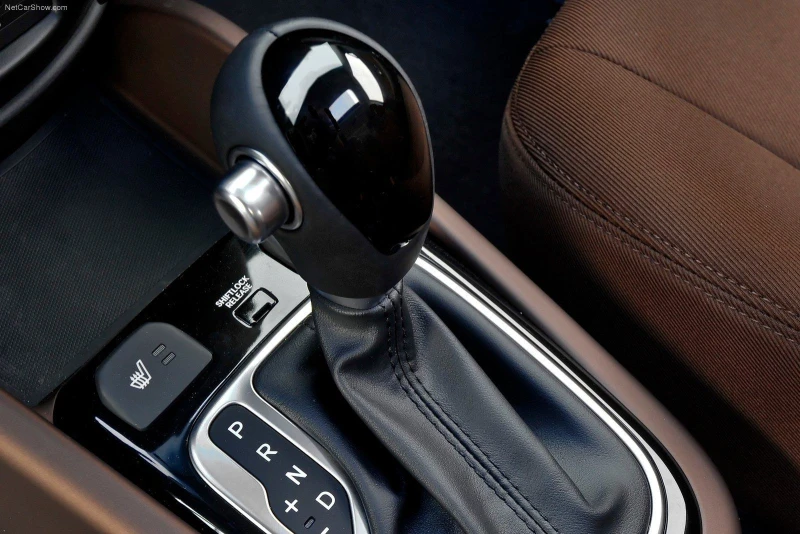
In real-world service on US roads and with frequent temperature changes, these materials hold up well. Cloth resists everyday dirt and spills from shoes or children’s gear, and leather in higher trims stays supple without cracking in cold weather. On vehicles showing 60,000–90,000 miles, you rarely see major deterioration unless the car was used intensively for ridesharing or delivery work. Panel fit is tight; squeaks and rattles are uncommon and mostly confined to early-build examples before the refresh.
Space and Practicality for Family Life and Everyday Needs
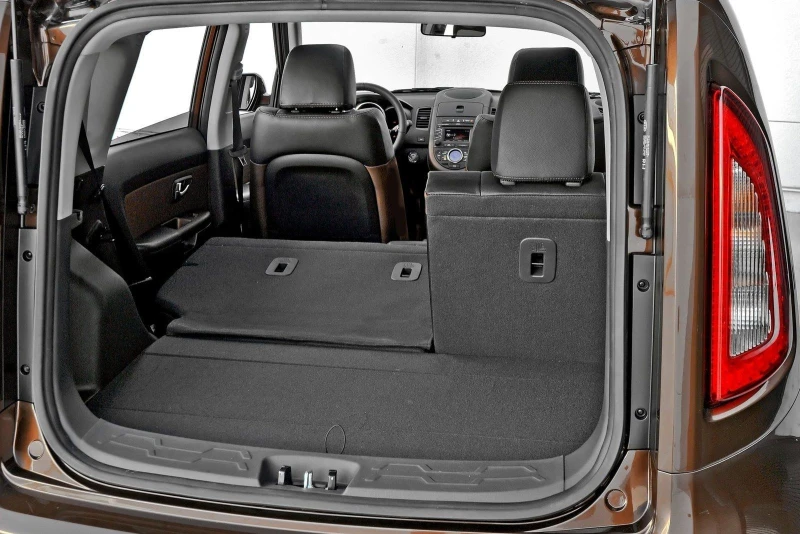
The tall roofline and boxy proportions deliver class-leading interior volume. Front occupants enjoy generous headroom and shoulder room, while the rear bench easily accommodates two adults up to about 6 feet 1 inch tall with good knee and head clearance — even on extended drives. The rear seatback angle is adjustable, and you’ll find a center armrest plus rear-seat air vents. Cargo capacity measures approximately 19.3 cubic feet behind the rear seats and expands to 53.4 cubic feet with the seats folded — enough for a stroller, several grocery bags, or luggage for a short trip. The load floor is flat and the lift-over height is manageable, making it easy to handle heavier items whether you’re loading for a family outing or a weekend away.
Trim Levels and Equipment Commonly Found on the Used Market
On the US used-car market, mid-level and higher trims are the most frequently encountered. Even these typically include air conditioning, heated front seats, power windows and mirrors, a basic audio system, and a respectable array of airbags. Stepping up to richer configurations adds automatic climate control, a leather-wrapped steering wheel, a rearview camera (standard on later 2012–2014 models), keyless entry, and improved infotainment. Heated seats and a heated steering wheel — highly desirable in cold weather — are available from mid-trim levels upward.
Examples built from 2012 to 2014 after the mid-cycle refresh generally offer more contemporary equipment and tend to be favored by used buyers. All-wheel drive was never offered in this generation; every Soul I is front-wheel drive. However, the relatively high ground clearance helps in light snow and slippery winter conditions.
Updates Within the Generation and Implications for Used Buyers
Across its production run, the interior received several meaningful but targeted improvements. The 2011–2012 refresh delivered a more contemporary infotainment setup, upgraded door panel materials, and modestly improved sound deadening. For used buyers, this translates to a clear preference for 2012–2014 models, which bring newer technology and generally show fewer signs of early wear. Pre-refresh 2009–2011 cars remain perfectly usable but may benefit from aftermarket audio upgrades or attention to the heating system.
Real-World Durability in Varied Driving Conditions
In daily use, the Soul I interior demonstrates solid long-term resilience. The heated seats and steering wheel warm up efficiently even when outside temperatures drop to around 5°F — a genuine benefit during harsh winter months. Materials stand up well to dust, moisture, and road salt residue, although periodic cleaning of mats and sills is wise during the messy spring and autumn seasons. Sound insulation is average for the era: at sustained highway speeds above 70 mph, tire and wind noise become noticeable on coarser pavement, yet the cabin stays quiet enough for easy conversation.
Rearward visibility is somewhat restricted by the high beltline, but the rearview camera fitted to higher trims largely eliminates that concern. Upkeep is simple: cloth and leather respond well to standard cleaners, and the hard plastics require no special treatment. On higher-mileage examples past 75,000 miles, slight bolstering wear on the driver’s seat is the most common observation — usually easily remedied with professional cleaning or aftermarket seat covers.
Overall, the interior of the Kia Soul I (AM) (2009–2014) continues to feel relevant and well-judged for its age and segment on the US used market in 2026. It provides a genuinely useful, no-nonsense cabin with a strong feature set that hasn’t aged poorly. For the majority of buyers, the best balance of value and equipment comes from nicely equipped 2012–2014 models in mid to upper trims: they deliver all the everyday essentials — heated seats, decent infotainment, and versatile space — without the higher cost of fully loaded top versions.