While many shoppers chase newer crossovers loaded with all-wheel drive and advanced electronics, the first-generation Soul appeals to those who appreciate a commanding driving position, outstanding visibility in every direction, and genuine everyday practicality at a reasonable price. Approximate market prices for 2011–2013 models with 60,000–100,000 miles typically range from $6,000 to $11,000 depending on overall condition and trim level. That puts it in a competitive position against similarly aged alternatives like the Nissan Juke or other compact crossovers of the era.
Body Practicality and Why the Design Still Works Today
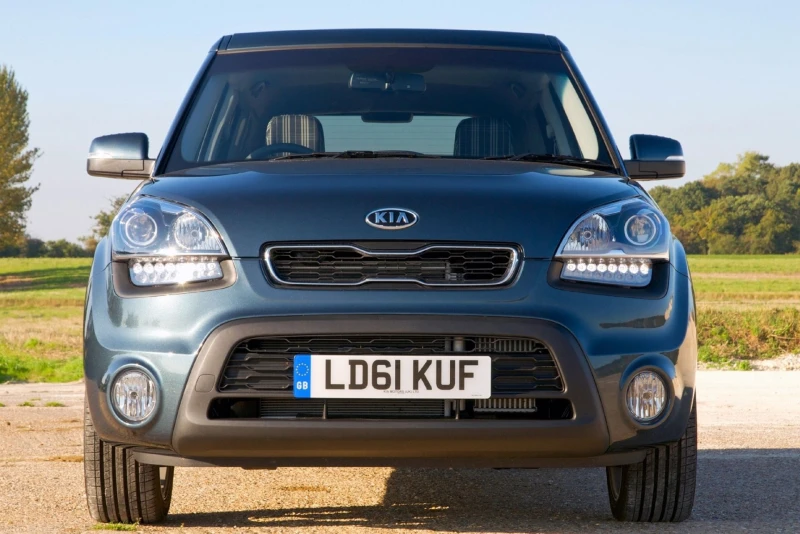
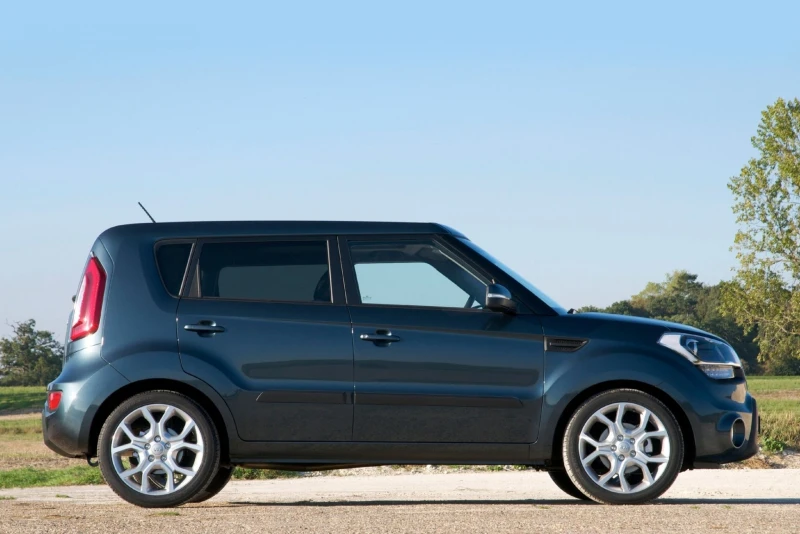
The first-gen Soul’s boxy profile with its upright pillars and tall roofline delivers excellent outward visibility and maximizes interior room within compact external dimensions. On US roads this pays off daily: roughly 6.5 inches of ground clearance lets you clear speed bumps, navigate snowy parking lots in winter states, and handle the occasional pothole or gravel shoulder without worry. Unlike low-slung sedans of the same period, the Soul doesn’t scrape its underbody on rough pavement or when loaded for a weekend trip.
Most examples on the used market have domestic US history and tend to be well preserved. The paint is on the thinner side, but the body is galvanized, so rust usually appears first on rocker panels and wheel arches only after 10–12 years of exposure in heavy salt-use regions. Many owners add undercoating or regular rustproofing treatments, which significantly extends the vehicle’s lifespan.
Engines and Transmissions in Real-World Service
In the US, the first-generation Soul was offered primarily with two gasoline engines: the 1.6L MPI (approximately 122–126 hp) and the 2.0L MPI (around 142 hp). The most common setup pairs the 1.6L with either a 6-speed manual or a 4-speed automatic. The engine is simple and robust, featuring a timing chain and port fuel injection, so it runs reliably on regular 87-octane unleaded gasoline and requires little attention even beyond 150,000 miles with proper care.
The 2.0L version appeared less frequently and usually in higher trims with the automatic. It feels noticeably stronger on the highway but consumes more fuel. No diesel engine was offered in the US market for this generation, and all versions are front-wheel drive — a configuration that perfectly matches the urban commuting and suburban driving patterns of most American owners.
What to Inspect on the Engine and Transmission
During a pre-purchase inspection, check the condition of the timing chain on the 1.6L engine — it’s generally durable but may require attention or replacement around the 90,000–120,000 mile mark if it hasn’t been serviced. The Aisin 4-speed automatic paired with the 1.6L shifts smoothly provided the fluid has been changed at recommended intervals (typically every 40,000–60,000 miles). Real-world fuel economy reported by owners usually lands in the 26–32 MPG combined range for the 1.6L and 23–28 MPG for the 2.0L, varying with driving habits and conditions.

Common Trims and Equipment You’ll Actually Find
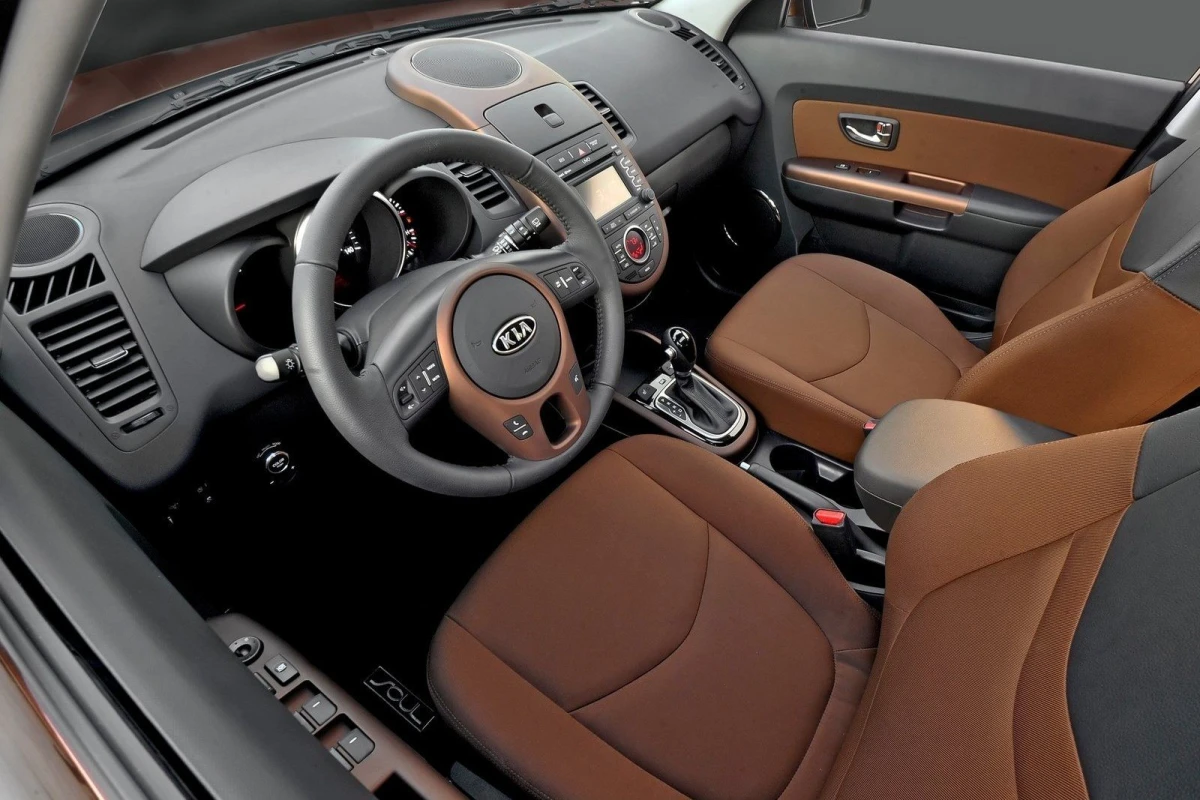
Most vehicles on the market are mid-level trims. Even these usually include air conditioning, heated front seats, power windows and locks, and a basic audio system. Higher trims add automatic climate control, a leather-wrapped steering wheel, a rearview camera on later models, keyless entry, and upgraded infotainment. Heated seats and steering wheel are particularly valuable during cold winters across the northern and midwestern United States and are available from mid trims upward.
The 2012–2014 refreshed models received updated exterior lighting and improved sound deadening, which is why they tend to be the most sought-after on the used market today. Although all-wheel drive was never offered, the high ground clearance and short overhangs give the Soul respectable capability in light snow or on unpaved roads.
Real-World Ownership Experience Across the US
The first-generation Soul has proven itself a dependable daily driver for American families and commuters. The suspension is energy-absorbing and handles potholes and highway expansion joints well, though it can feel firmer on larger wheels over badly rutted pavement. Noise insulation is average: above 70 mph on the interstate you’ll notice some tire and wind noise, but the cabin remains comfortable for conversation. The interior is solidly assembled with practical, easy-to-clean materials — a big advantage when carrying kids, pets, or cargo for weekend projects.
Cargo capacity is approximately 12 cubic feet behind the rear seats (expanding to about 46 cubic feet with the seats folded), easily swallowing a stroller, golf bag, or several large suitcases. The second row comfortably seats two adults for longer trips; three across becomes snug on extended highway runs. Ownership costs stay reasonable thanks to excellent parts availability, both OEM and high-quality aftermarket, plus widespread Kia dealer support across the country.
Why It Still Makes Sense for US Buyers in 2026
The Kia Soul I (AM) is perfect for anyone who wants a higher seating position, superb visibility, and maximum practicality in a small, easy-to-park package. On the US used market in 2026 it offers an excellent balance of low purchase price, proven reliability, and comfortable daily driving for city commutes, interstate travel, and occasional light adventure. For most buyers the ideal choice is a 2012–2014 example with the 1.6L engine and automatic transmission in a well-equipped trim — combining sensible pricing in the $6,000–$11,000 range with a strong feature set.
The most important steps when buying are verifying the full service history, carefully inspecting the suspension components and underbody for any hidden rust, and taking a long test drive. With sensible due diligence, a well-maintained first-generation Soul will continue providing economical, reliable transportation for many years to come and remains one of the most practical options in its class on the American used car market.