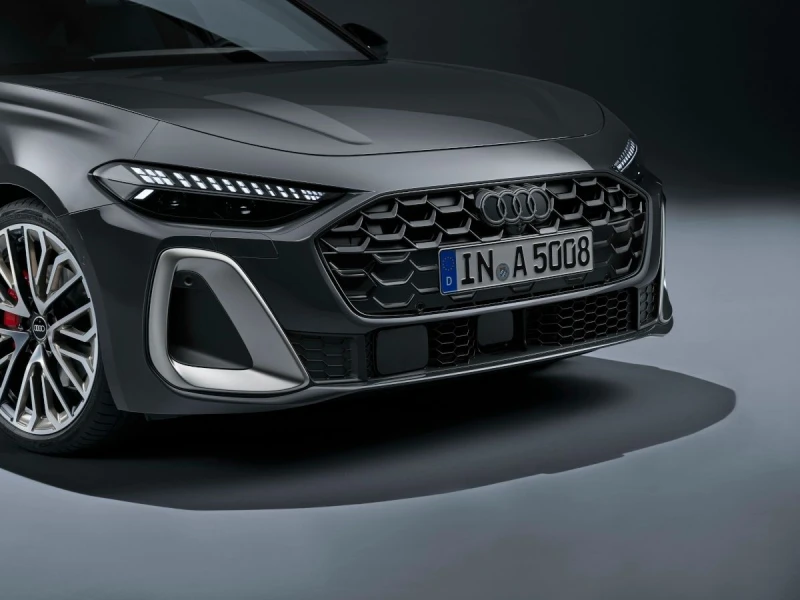
The third-generation Audi A5 reached U.S. dealerships for the 2025 model year, so both new inventory and lightly used examples remain relatively limited. The B10 replaces the previous A4 sedan and A5 Sportback with a single liftback-style A5 Sedan. Buyers often compare it with the established B9 generation, but the newer car uses a different platform, electronics architecture, and market-specific powertrain. Separate articles in this series cover the generation overview, specifications, and interior in greater detail.
Platform and U.S.-Spec Powertrain
The B10 is based on Audi’s Premium Platform Combustion architecture. In the United States, the A5 uses a turbocharged 2.0-liter TFSI four-cylinder producing 268 hp and 295 lb-ft, paired with a seven-speed S tronic dual-clutch transmission and standard quattro all-wheel drive. The European 2.0 TDI engines, lower-output gasoline versions, Avant body style, and 48-volt MHEV plus system are not part of the U.S. specification. Consequently, conclusions drawn from European reviews do not always apply to American cars.
EPA fuel-economy estimates should be considered separately from independent road-test results. Actual consumption can rise with short trips, heavy traffic, repeated cold starts, winter gasoline, or an aggressive driving style. Steady highway driving may bring the car closer to its official rating, but buyers should check the EPA label for the exact model year and configuration rather than relying on figures quoted for European variants.
The S tronic transmission has not yet accumulated enough long-term U.S. mileage for firm reliability conclusions. During a test drive, check for delayed engagement, excessive shuddering at low speed, warning messages, fluid leaks, or abrupt shifts after the drivetrain has warmed up. Service records should follow the U.S. maintenance schedule, since intervals quoted for other markets may differ. Completion of applicable recalls, service campaigns, and software updates should also be confirmed by VIN.
Interior, Materials, and Digital Interface
The cabin is centered around a curved digital display and a touch-oriented control layout. Upper dashboard and door surfaces generally provide the expected premium finish, while some lower panels and sections of the center console use harder materials. These areas are not necessarily problematic in normal use, but buyers comparing the B10 directly with a well-equipped B9 may notice differences in texture and perceived quality.
The MMI system, digital instrument cluster, connected services, and driver-assistance features should all be tested before purchase. Audi revised the MMI interface and multifunction steering-wheel controls for the 2026 model year, so the user experience can differ between early 2025 cars and later examples. Confirm that smartphone integration, navigation, voice control, cameras, parking sensors, and steering-wheel functions operate correctly, and ask whether the vehicle has received the latest applicable software.
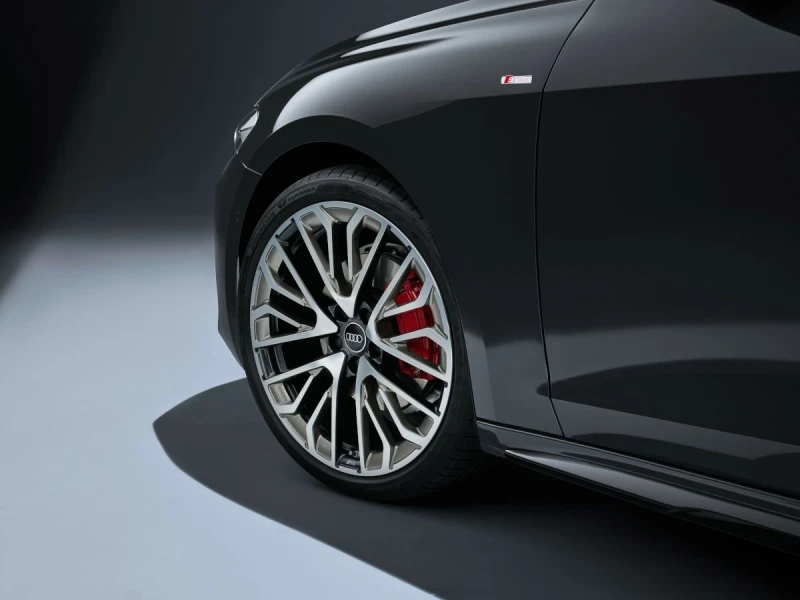
Highway refinement is competitive for the segment, although perceived road noise depends heavily on wheel size, tire model, pressure, and pavement texture. A test drive should include coarse asphalt as well as smooth roads. An example fitted with 19-inch wheels may sound and ride differently from one on the standard 18-inch setup, so tire condition and specification should be considered before assuming the car needs additional sound insulation.
U.S. Market and Vehicle Condition
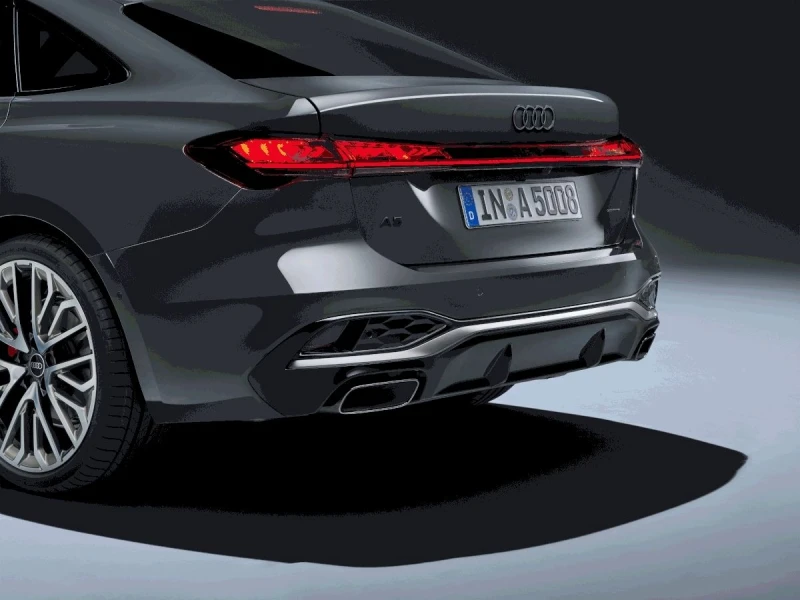
Unlike the original European-market versions, the U.S.-specification A5 is officially sold through Audi dealers and uses the gasoline-only powertrain described above. Lightly used examples can be found through dealer inventories and platforms such as Autotrader, CarGurus, and Cars.com. Because the generation is still recent, buyers should verify the VIN, original window sticker, trim level, option packages, service history, and any accident or ownership records rather than relying only on a listing description.
Local climate and vehicle history can matter more than age alone. Cars operated in Snow Belt states should be inspected underneath for road-salt damage, while vehicles from coastal or flood-prone regions deserve additional checks for moisture intrusion and corrosion in electrical connectors. In hot climates, examine seat upholstery, screens, trim, and the panoramic roof area for heat-related deterioration. A diagnostic scan should be included in a pre-purchase inspection even when no warning lights are displayed.
Maintenance costs remain consistent with a modern premium vehicle: dealership labor, original components, large tires, and brake hardware generally cost more than equivalents for mainstream models. Since quattro is standard, all four tires should have compatible specifications and similar remaining tread depth. Inspect the drivetrain for leaks or impact damage, confirm that the suspension and alignment are correct, and evaluate brake and tire wear in relation to the recorded mileage.
Practical Improvements and Pre-Purchase Checks
Many usability concerns involve the digital interface rather than a mechanical defect. Installing current manufacturer-approved software may address applicable glitches, while learning the configurable shortcuts can reduce time spent navigating menus. If cabin noise is a concern, tire choice should be evaluated before considering aftermarket insulation. Screen protectors, paint-protection film, and appropriate upholstery care can help preserve frequently touched or exposed surfaces, but they remain optional additions.
For a used A5, prioritize complete service documentation and a professional inspection. Review a CARFAX or AutoCheck report, but do not treat it as a substitute for examining the body, undercarriage, paintwork, and diagnostic data. The test drive should cover parking maneuvers, stop-and-go traffic, highway speeds, and uneven pavement. Check S tronic behavior, quattro operation, climate control, cameras, radar-based assistance systems, displays, connected services, and every electronic control fitted to the specific trim.
A post-purchase budget may need to cover tires, brakes, alignment, scheduled maintenance, cosmetic protection, or diagnostic and software work. These expenses depend on mileage, condition, wheel size, and previous use, so a universal figure would be misleading. The U.S. car does not use the European MHEV plus system and was not offered with a TDI engine, meaning inspections and ownership estimates should be based on the 2.0 TFSI quattro configuration rather than imported specifications.
Overall Buying Perspective
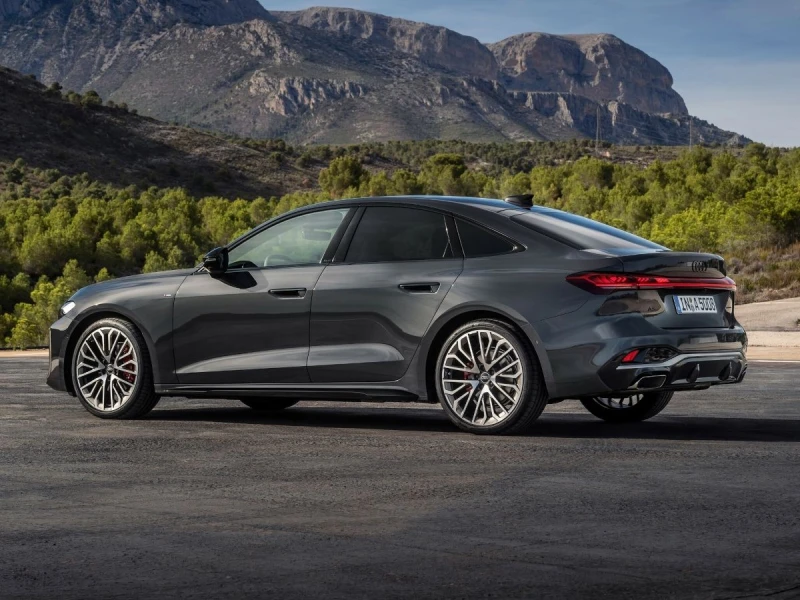
The third-generation Audi A5 combines a new platform, a practical liftback body, standard all-wheel drive, and a substantially redesigned digital cabin. Its short time on the U.S. market means dependable long-term failure-rate data is not yet available. A sensible purchase therefore depends on transparent history, correct specification, completed updates, and an inspection that rules out accident, flood, tire, drivetrain, and electronic problems.
Compared with the B9, the B10 offers newer technology, more cabin space, and greater cargo flexibility, but its touch-heavy interface and some material choices may not suit every buyer. Anyone planning to keep the car long term should follow the U.S. maintenance schedule and avoid conclusions based on European diesel, Avant, or MHEV plus versions. A carefully inspected example can suit drivers seeking a balance of performance, everyday practicality, and premium positioning without relying on premature claims about long-term reliability.