



The F5-generation A5 is a relatively accessible way to get Audi's MLB Evo architecture, polished road manners, and distinctive styling. Its condition, however, depends heavily on maintenance, climate, wheel and tire choices, and prior collision repairs. A careful inspection matters more than assumptions about the badge or model year. Separate articles in this series cover the generation overview, specifications, and interior in greater detail.
Body, Paint, and Corrosion Exposure in the United States
Paint chips and road rash are most likely to appear on the front bumper, hood edge, rocker panels, and around the wheel openings. Check the windshield frame and panel edges under strong light, but do not treat cosmetic wear alone as proof of a broader defect. Uneven panel gaps, overspray, mismatched paint texture, and inconsistent paint-depth readings are more useful indicators of previous bodywork. Large wheels and wide tires can also accelerate damage along the lower body if protective film or mud guards were not fitted.
Cars from Snow Belt states deserve a thorough underbody inspection because road salt can corrode suspension hardware, subframes, brake components, fasteners, and exposed seams. Coastal vehicles may show similar oxidation. A lift inspection should distinguish ordinary surface rust from scaling, weakened metal, or repairs that conceal impact damage. On Cabriolet models, also inspect the soft top, seals, drain paths, and surrounding trim for evidence of water intrusion.

U.S. Engines and Transmissions: What Changes by Model Year
U.S.-market F5 A5 models use gasoline engines; the European TDI diesels and other regional powertrains were not part of the factory U.S. lineup. The regular A5 pairs a turbocharged 2.0-liter four-cylinder with a seven-speed S tronic dual-clutch transmission and quattro all-wheel drive. Output varied during the run: early cars were rated at 248–252 hp and 273 lb-ft, depending on model year; 2021-and-later 45 TFSI models were rated at 261 hp and 273 lb-ft, while the later 40 TFSI Sportback used a 201-hp, 236-lb-ft version. EPA fuel-economy ratings also vary by body style and model year, so compare the exact vehicle with its EPA label or listing on fueleconomy.gov rather than converting European WLTP figures.
Service history is especially important for the wet-clutch S tronic transmission. Audi's U.S. maintenance schedules specify a transmission-fluid change every 40,000 miles for applicable A5 2.0T and A5 45 TFSI models. Missing records, delayed engagement, repeated shuddering, warning messages, or fluid leaks warrant diagnosis by an Audi/VW specialist; none should be dismissed as normal behavior. During the lift inspection, check axle boots, output seals, wheel bearings, and tire condition. Unevenly worn or mismatched tires can create driveline symptoms and should be corrected with a properly matched set.

Interior Wear, Noise, and Everyday Use
The cabin materials generally age well, but mileage and use still show in predictable places. Inspect the driver's outer seat bolster, steering-wheel trim, frequently used switches, center-console surfaces, and door pulls. Minor trim noises over rough pavement can come from loose clips or prior disassembly, while damp carpets, stained headliners, or a persistent musty odor require a closer water-leak investigation. On Cabriolet models, cycle the roof completely and inspect the headliner and seals.
Road noise depends strongly on tire model, wheel diameter, inflation, alignment, and tread wear. Cupped tires or worn wheel bearings can make an otherwise sound car seem poorly insulated. Listen from both seating rows on smooth and coarse pavement, and check door, hatch, and roof seals for wind noise. The Sportback's cargo-area trim and large rear hatch can transmit different sounds than the Coupe, while the Cabriolet should be evaluated separately with the top both raised and lowered.

Electronics, Infotainment, and Driver-Assistance Systems
The A5 can carry numerous control modules and option-dependent systems, so a generic engine-code scan is not enough. Test the Virtual Cockpit, MMI display and controller or touchscreen, climate control, cameras, parking sensors, exterior lighting, keyless entry, heated seats, audio system, and every fitted driver-assistance feature. On the Sportback, operate the power liftgate; on the Cabriolet, confirm that the roof completes several cycles without warnings. Faults after collision or windshield work may involve calibration, wiring, sensors, or coding rather than a failed display alone.
The U.S. refresh brought the MIB 3 infotainment system and a 10.1-inch touchscreen for the 2020 model year, replacing the earlier interface. Software updates may resolve some operating complaints, but intermittent reboots, dead zones, or persistent communication faults still require proper diagnosis. Connected services on some older cars were also affected by the U.S. 3G network shutdown, so verify current hardware, subscription eligibility, and feature compatibility instead of assuming every original Audi connect function remains available.
Refresh Changes and Differences Across the Production Run
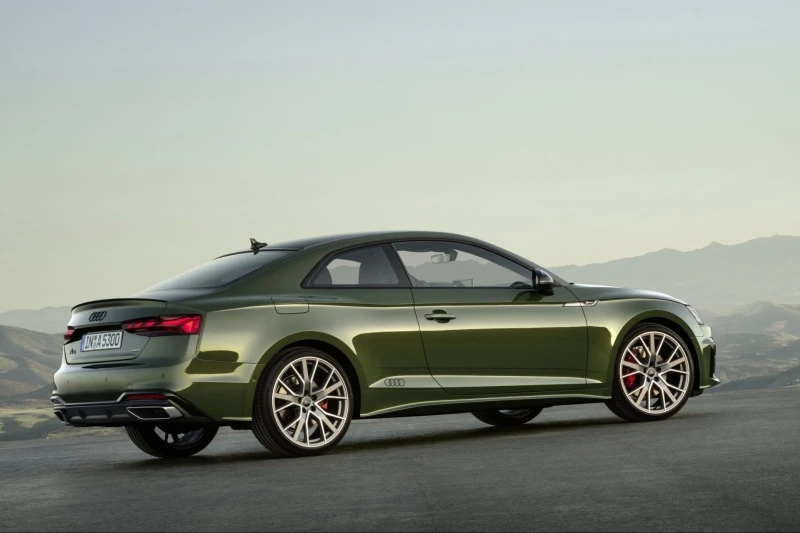
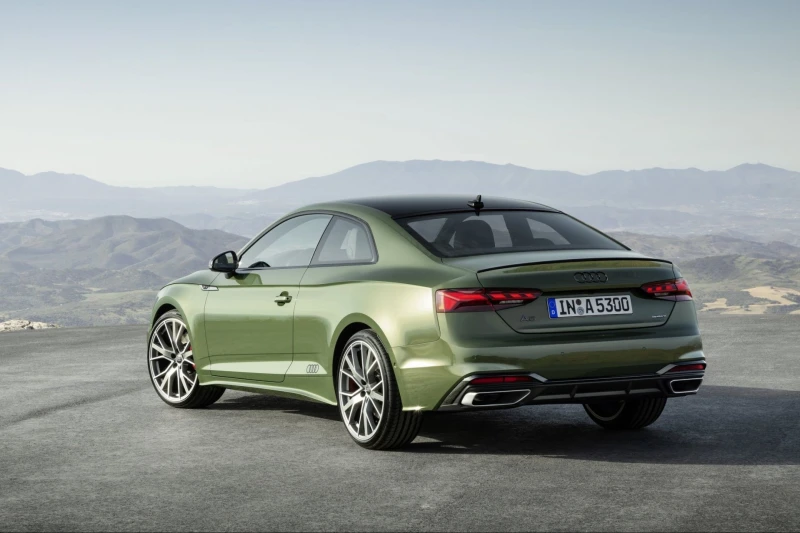
The F5 A5 arrived in the United States for the 2018 model year. The 2020 refresh changed the exterior details and infotainment interface, while 2021 four-cylinder models gained higher output and a 12-volt mild-hybrid system. Later model years expanded the powertrain choice for the Sportback with 40 TFSI and 45 TFSI versions. Trim names such as Premium, Premium Plus, and Prestige are market-correct for U.S. cars, but equipment still varies by year, body style, package, and individual build.
By the 2025 model year, the outgoing F5 range in the United States had narrowed to the Sportback, and the generation is now primarily a used-car purchase. The S5 and RS 5 should not be evaluated as ordinary A5 variants: they use different engines, eight-speed Tiptronic transmissions, brakes, and chassis hardware, with correspondingly different service needs. A newer model year may offer updated technology, but it does not automatically outweigh complete records and careful prior ownership.
Pre-Purchase Inspection and Likely Follow-Up Work
Start with the VIN. Compare the title, CARFAX or AutoCheck history, Audi dealer records, independent-service invoices, and the NHTSA recall lookup. A lift inspection should cover the underbody, cooling-system leaks, engine and transmission seepage, suspension joints and bushings, brakes, wheel damage, tire age and matching, and evidence of structural repair. The road test should include a cold start, low-speed maneuvering, stop-and-go traffic, and highway driving, followed by a full scan of all control modules with Audi/VW-capable diagnostic equipment.
Budget needs depend on the individual car rather than a universal defect list. Tires, brakes, fluid services, worn suspension parts, paint correction, and overdue S tronic maintenance can add up quickly on a premium vehicle. Active coolant loss, misfire faults, transmission warnings, water intrusion, or driver-assistance errors should be priced only after diagnosis. When comparing listings on Autotrader, CarGurus, or Cars.com, treat a lower asking price as incomplete information until condition, history, and deferred maintenance are known.
No single problem defines every second-generation A5. The strongest candidates have consistent mileage records, documented 40,000-mile S tronic services where applicable, matching tires, a clean module scan, and no unresolved recall or water-intrusion concerns. Post-refresh cars offer newer infotainment and revised powertrains, but service documentation, collision quality, and a specialist inspection remain the factors most likely to determine future cost and day-to-day usability.