


The version named Luna Rossa is created as a demonstration of the capabilities of the brand's new individual customization division and simultaneously serves as a showcase for unconventional engineering solutions. This material explains what makes this rare sedan noteworthy and why it has become one of the most aerodynamically advanced road cars from the brand.
Context of the Special Edition's Appearance
The Giulia model has been on the market for about a decade. Initially, it was planned that its successor would appear soon and be fully electric, but the brand's strategy was revised. As a result, the current Giulia received additional attention, and the Quadrifoglio version became the basis for the limited Luna Rossa project.
This modification simultaneously fulfills two tasks: maintaining interest in the existing model and emphasizing Alfa Romeo's connection to the world of high technologies and competitions.
Aerodynamics as the Main Focus
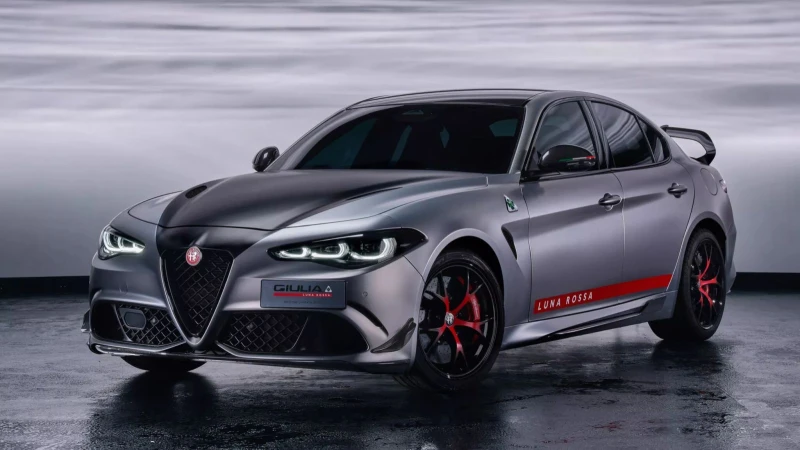
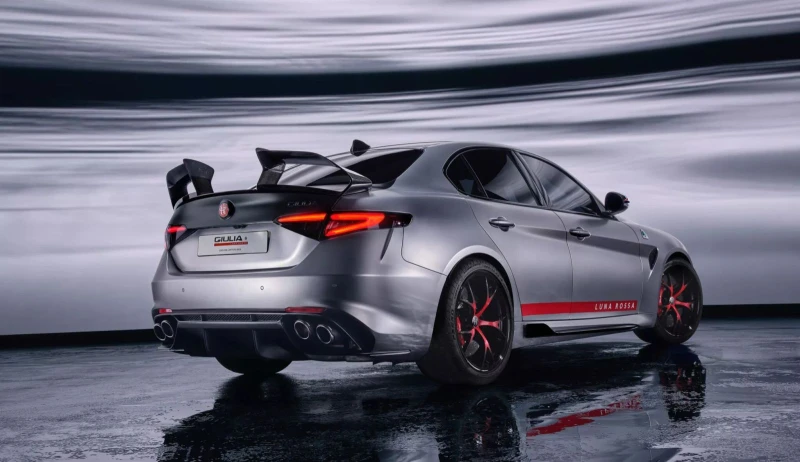
The main feature of the Luna Rossa is the aerodynamic elements inspired by AC75 class racing yachts. The most noticeable is the complex-shaped double rear wing. Its design references the hydrofoils of the Luna Rossa sailing yacht but is adapted for automotive speeds.
As a result, at a speed of 300 km/h, the wing generates about 140 kg of downforce. This is several times more than the standard Giulia Quadrifoglio. Additionally, the front bumper has been reworked with side guiding elements, and the car's underbody is optimized to enhance the downforce effect.
Design and Interior
The exterior emphasizes the connection to the nautical theme. The body is painted in a special gray color with a black central hood section and red accents on the sides. The Luna Rossa name is featured on contrasting decorative elements.
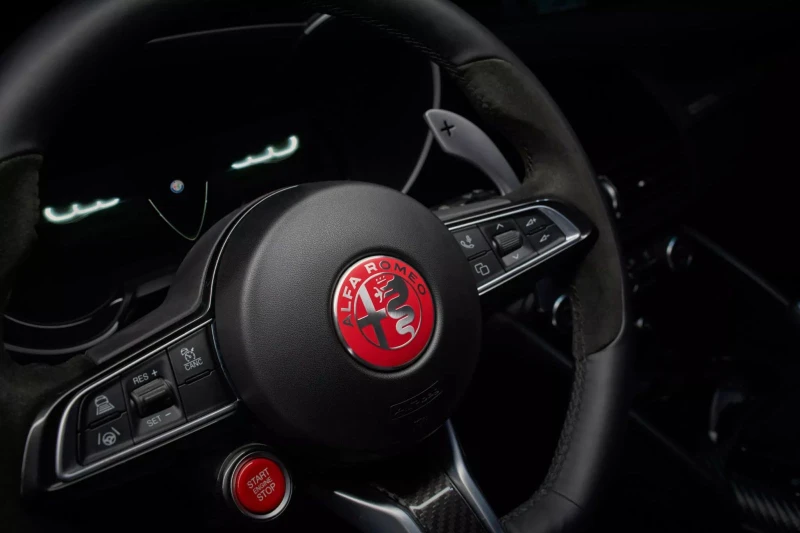
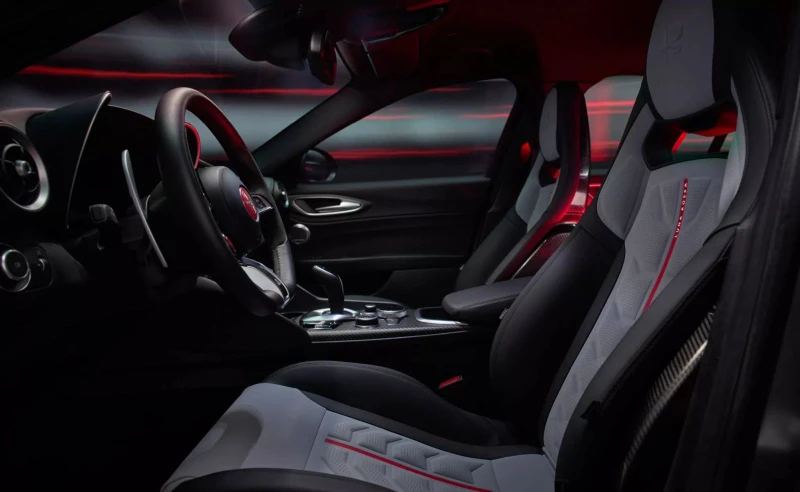
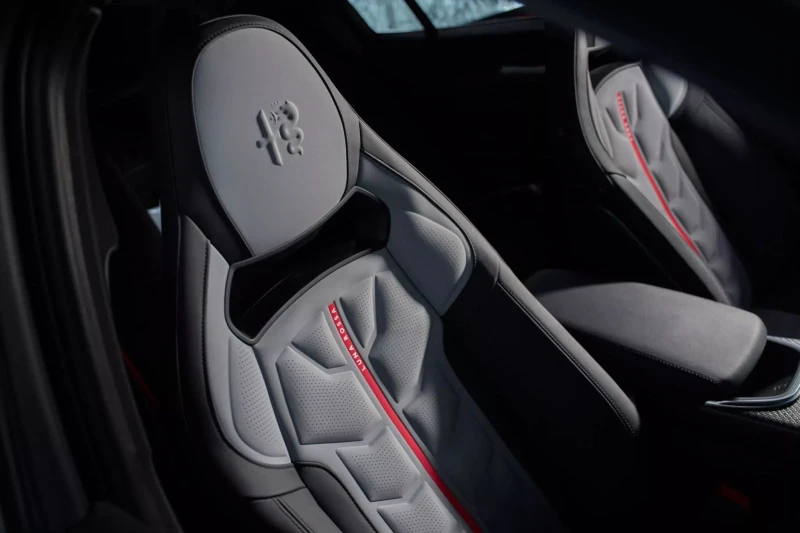
The color theme continues in the interior. It uses black and red accents, Sparco sports seats, and carbon fiber panels. Some decorative inserts are made from actual material from the sailing yacht, emphasizing the project's concept. The overall interior architecture is preserved, but the details are clearly oriented toward collectors.
Engineering Without Compromises
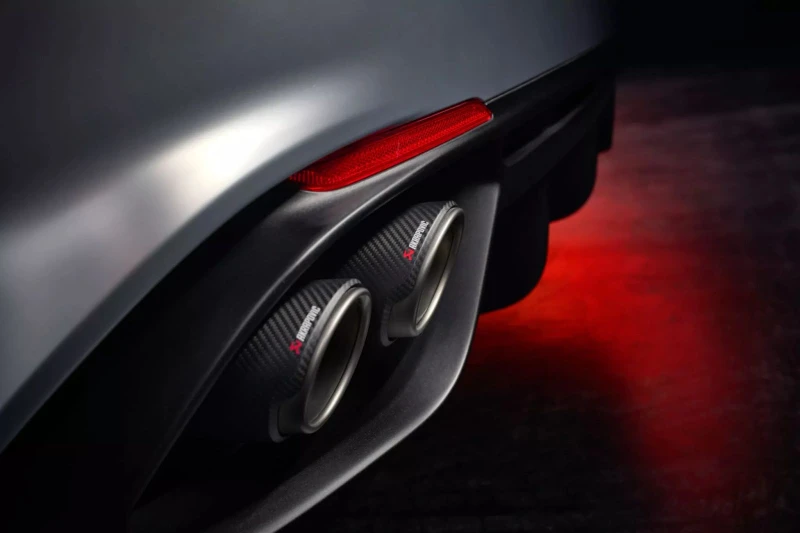
From a technical standpoint, the Luna Rossa is not an experiment. Under the hood remains the proven twin-turbo V6 gasoline engine, paired with an automatic transmission. The engine's power reaches 520 hp, aided by the Akrapovič exhaust system.
The powertrain delivers torque to the rear wheels and retains the Quadrifoglio model's character, combining high dynamics with everyday usability.
Conclusion
The Alfa Romeo Giulia Quadrifoglio Luna Rossa is not an attempt to update the model on a mass scale but a demonstration of the brand's engineering and design potential. The limited production run of 10 units underscores the project's exclusivity, and the unusual aerodynamics make it unique even among other special editions of the Giulia. This car serves as a reminder that the classic sports sedan can still be a platform for bold ideas.