The 2010–2017 Nissan Leaf cabin masterfully blends simplicity with futuristic touches that highlight its zero-emission personality. In this guide we break down the key features of the first-generation Leaf interior (ZE0/AZE0), with special attention to the U.S. used market in 2025. Over the production years the cabin evolved while remaining highly practical for city driving and small families. Trunk volume, seating comfort, and material quality remain strong selling points even today.
Materials & Design
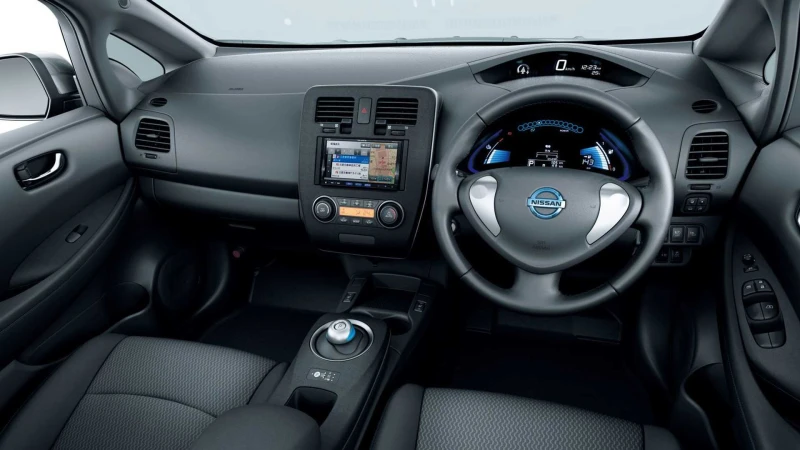
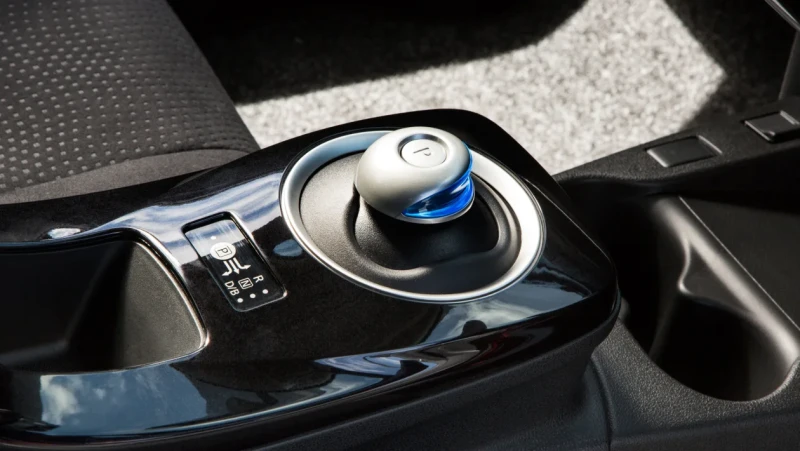
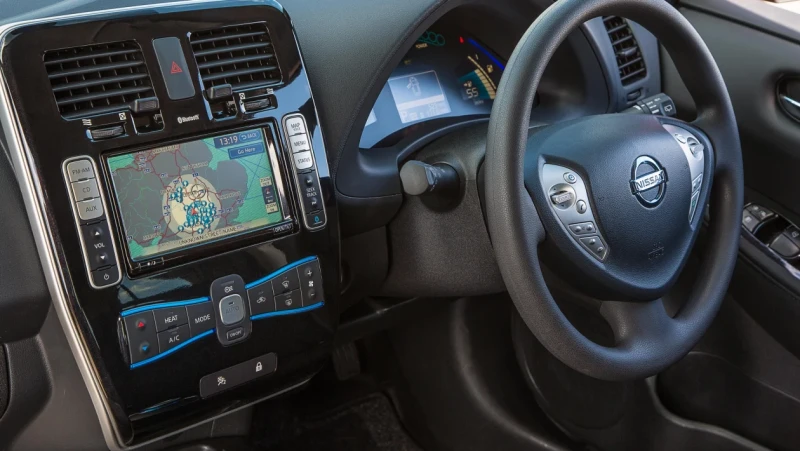
The overall cabin experience starts with the choice of materials: base models feature hard-wearing plastics paired with cloth upholstery, while eco-friendly recycled plastics and bio-based fabrics add sustainable accents throughout. The instrument panel is clean and driver-focused — a fully digital cluster replaces the traditional tachometer with a prominent battery charge gauge, accented by cool blue ambient lighting. The center console keeps things minimal: electronic shifter, a touchscreen display (starting at 5 inches), climate and audio controls all within easy reach. Everything is ergonomically placed with good steering wheel grip and ample seat adjustments.
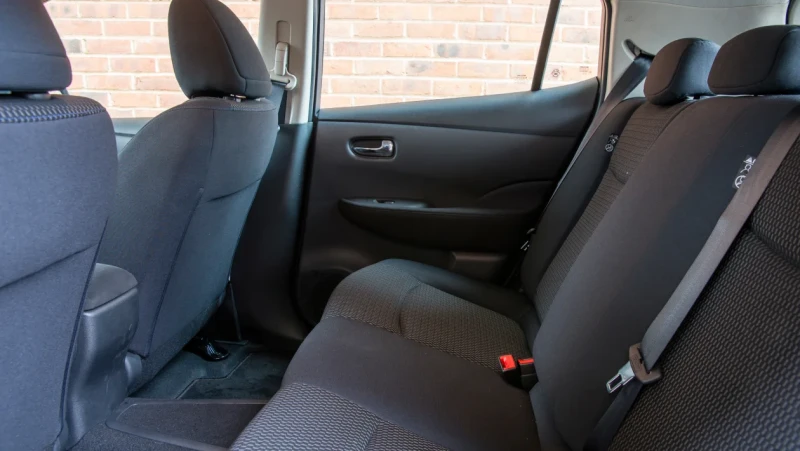
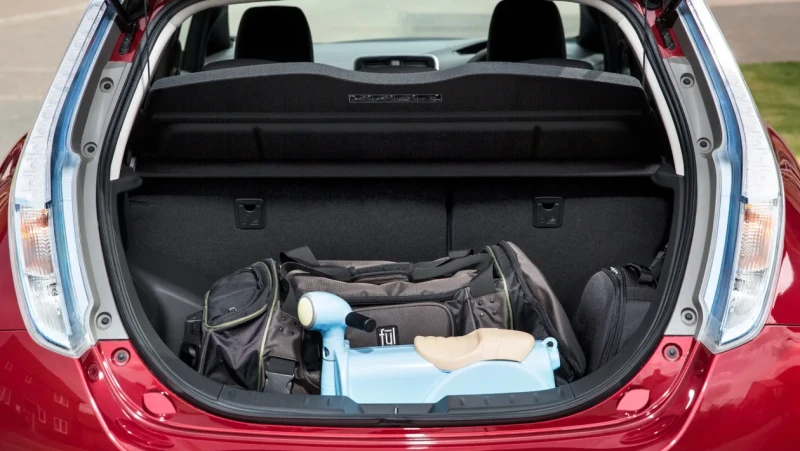
Seating comfort is solid up front with good bolstering and height adjustment for the driver. The rear bench comfortably seats two adults (2,700 mm wheelbase provides decent legroom), though a third passenger will feel the high floorpan caused by the battery pack underneath. Visibility is strong thanks to large glass areas, though thick pillars and lack of a rear camera in base models can be limiting. Trunk space ranges from roughly 24–30 cubic feet depending on the model year — flat load floor when rear seats are folded (60/40 split), plus dedicated storage for the charging cable. The 2013 facelift increased practicality by relocating charging hardware, making the cargo area even more usable for errands, groceries or weekend trips. In American urban and suburban conditions — with parking challenges and highway runs — this cabin layout works extremely well for daily driving.
Trim Levels on the U.S. Market
On the 2025 American used market, first-gen Leafs are mostly found in U.S.-spec trim levels: S (base), SV (mid-grade), and SL (top). The entry-level S includes cloth seats with front heating (very useful in many U.S. regions), air conditioning, a basic audio system with 4 speakers, Bluetooth, cruise control, and heated mirrors/steering wheel on many examples. Multimedia is handled by a 5-inch screen with basic charging-station navigation.
The mid-level SV adds automatic climate control, rearview camera, alloy wheels, upgraded audio with 6 speakers, full NissanConnect navigation, and remote services (charging & climate preconditioning). Seat upholstery moves to premium cloth, and rear seat heating becomes available.
The premium SL trim — by far the most popular choice on the used market — brings leather upholstery, Bose premium audio with 7 speakers, LED headlights, Around View Monitor 360° camera system, heated front & rear seats + steering wheel, and even a small solar panel on the spoiler for auxiliary battery charging. No panoramic roof, but many feature the efficient heat pump climate system. Later models added blind-spot monitoring and lane departure warning. For most buyers the SV or SL offer the best value — expect approximate market prices for well-maintained 2015–2017 examples in the $7,000–$11,000 range depending on condition, mileage, and battery health.
| Trim Level | Seat Upholstery | Multimedia | Climate System | Driver Assists |
|---|---|---|---|---|
| S (base) | Cloth, front heated | 5" screen, Bluetooth | Air conditioning | Cruise control |
| SV (mid) | Premium cloth, all heated | 7" screen, navigation | Auto climate control | Rearview camera |
| SL (top) | Leather, all heated | Bose audio, 7" screen | Heat pump climate | 360° camera, advanced assists |
These trim levels show exactly what American owners receive: from essential comfort all the way to near-luxury EV features with strong focus on efficiency.
Cabin Evolution Over the Years
Within the first generation there were meaningful updates, especially with the 2013 facelift (transition to AZE0). Pre-2013 models featured lighter interior tones, basic sound insulation, and smaller cargo area (≈24 cu ft) due to rear-mounted charging hardware. After the facelift came darker, more practical colors, improved rear seat comfort (+2 inches of legroom), larger trunk (up to ≈30 cu ft), and noticeably better noise insulation (thanks to aero tweaks and upgraded materials) — wind and tire noise dropped significantly on the highway.
By 2015–2017 the multimedia system received a larger screen, better smartphone integration, new interior color choices (gray/black), and the optional heat pump that dramatically improves winter efficiency and cabin comfort. The instrument cluster also became more informative with efficiency readouts. Post-facelift models are generally preferred on today’s used market: quieter on long drives, more practical cargo space, and better cold-weather performance.
Common Interior Drawbacks
On the used market buyers frequently ask about long-term durability: plastics scratch relatively easily, and lighter-colored cloth seats show dirt (especially pre-2013 models). Depending on region — road salt, dust, intense sun — wear becomes visible: upholstery needs regular cleaning, plastic can fade. Wear items include steering wheel, shifter knob (polished after ~60,000 miles), and sticky multimedia buttons from accumulated grime.
Noise levels: base insulation is modest — wind and tire roar become noticeable above 50 mph, especially on rougher American roads. Rear seating: high floor can be uncomfortable for taller passengers, rear visibility limited by the spoiler. Care tips: avoid harsh chemicals on eco-materials. Hot U.S. summers accelerate plastic aging, cold winters can cause trim rattles. Typical issues include dashboard creaks, occasional seat heater failures. When shopping in 2025 always inspect for stains, cracks, functioning screens, and test for rattles/noise during a drive.
Final Thoughts
In 2025 the first-gen Leaf interior feels dated next to current EVs (smaller screens, minimalist design), yet it remains surprisingly functional and comfortable for daily urban and suburban use. It continues to be an excellent choice for budget-conscious EV buyers: spacious enough, quiet in traffic, and well-equipped with heating features for colder months. The sweet spot for most American buyers is the SV trim — great balance of price (typically $7,000–$11,000), equipment (climate control, camera, navigation), and everyday usability without the premium cost of full leather and Bose in the SL. When shopping, pay close attention to interior condition: plastic integrity, upholstery cleanliness, working electronics & seat heaters; always do a thorough test drive to check for unwanted noises. The Nissan Leaf I cabin remains a solid, reliable foundation for anyone’s first electric vehicle.