


Using BMW as an example, this piece explores why this approach is drawing criticism, the reasons behind automakers' decisions, and the practical implications for drivers.
Touchscreens as the New Standard
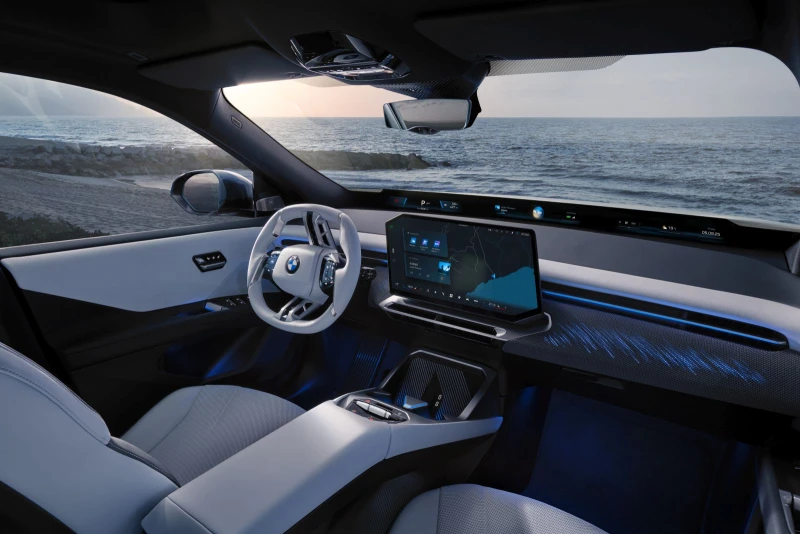
In recent years, automakers have increasingly shifted control of key vehicle functions to large touch displays. Buttons and rotary dials are disappearing, replaced by multi-level menus and virtual icons. This approach is often justified by a pursuit of minimalism and a "digital future," but in practice, it alters the fundamental logic of driver-vehicle interaction.
Even with a well-structured menu, touch controls require diverting attention from the road. Unlike physical buttons that can be operated by feel, screens demand visual confirmation of finger placement. This creates a contradiction: safety systems warn against distractions, yet the interface encourages them.
Safety and Usability: Theory vs. Practice
Studies from independent institutes and universities indicate that touch interfaces in vehicles increase driver reaction times. Managing climate control, navigation, or seat heating via a screen proves more complex and slower than using traditional controls.
Nevertheless, manufacturers continue in this direction. The rationale extends beyond design to economics. Physical controls require model-specific development, whereas a universal display reduces costs through standardization and allows software-based updates.
The History of iDrive and Its Phasing Out
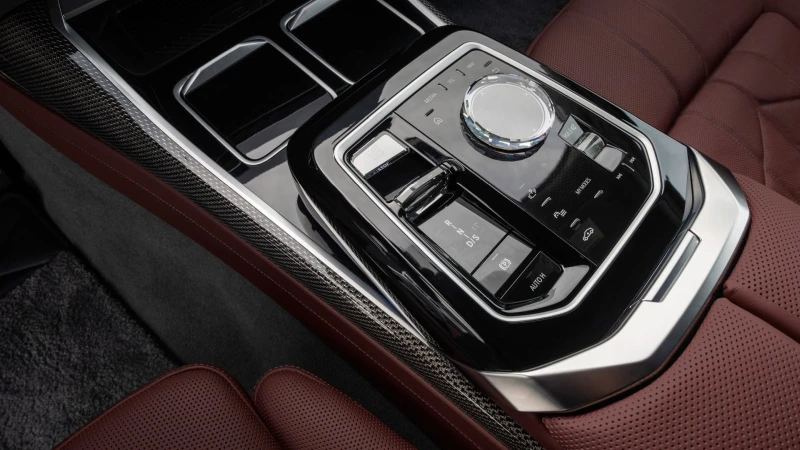
BMW has long been viewed as an example of a balanced approach. The iDrive system, introduced in the early 2000s, combined a screen with a rotary controller and physical buttons. Over time, it achieved high usability, enabling many operations with minimal glances at the display.
However, the company has moved away from this solution. In newer models, BMW is gradually eliminating even the last physical multimedia control element. All functions are migrating to the touchscreen, with alternative interaction methods being discontinued.
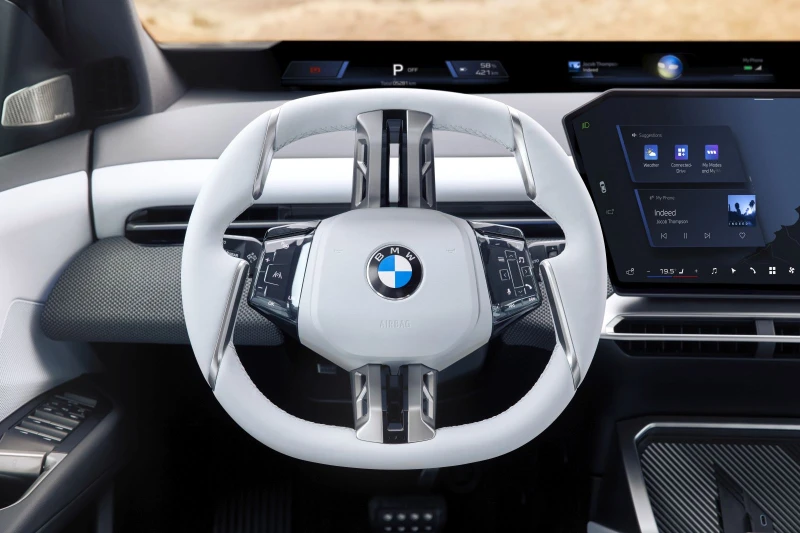
Market Response and Company Statements
Despite evident dissatisfaction from some audiences, BMW representatives state that users generally accept these changes positively. According to them, customers do not express a desire to return to traditional buttons.
Such statements appear debatable, especially as many competitors are revisiting their designs and reintroducing physical controls for essential functions. Real-world usage often differs from impressions at showrooms and presentations.
Conclusion
The shift away from physical controls represents a compromise between cost savings, design, and usability rather than a matter of trends. BMW's example illustrates that no universal solution exists. Touchscreens simplify production but complicate vehicle interaction. In the coming years, it will become clear how sustainable this approach is and whether it will be adjusted to meet actual driver needs.