


The Honda Civic 11th-gen interior is built for everyday driving, striking a solid balance between comfort and practicality. The 2021–present Civic cabin is available in sedan, hatchback, and (in some markets) liftback body styles, with trim-specific materials and features tailored to regional preferences. Here's a detailed breakdown of the Civic interior as seen on the US market in 2026.
Overall Cabin Overview
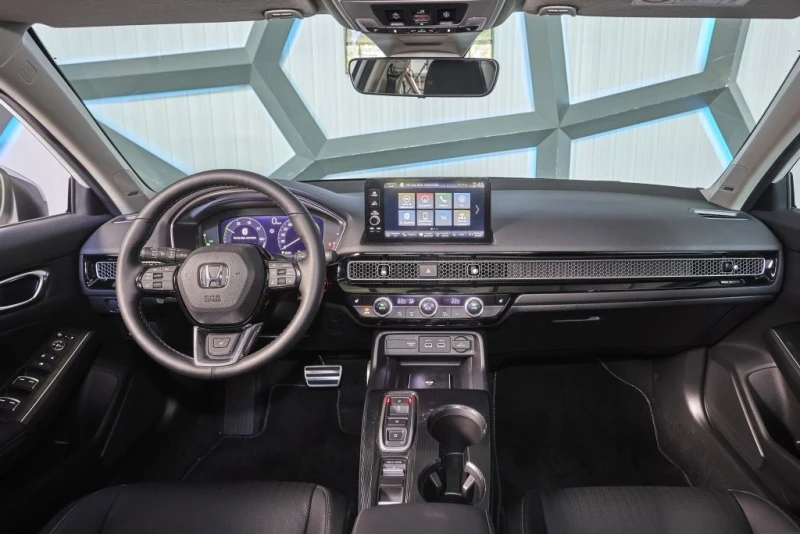
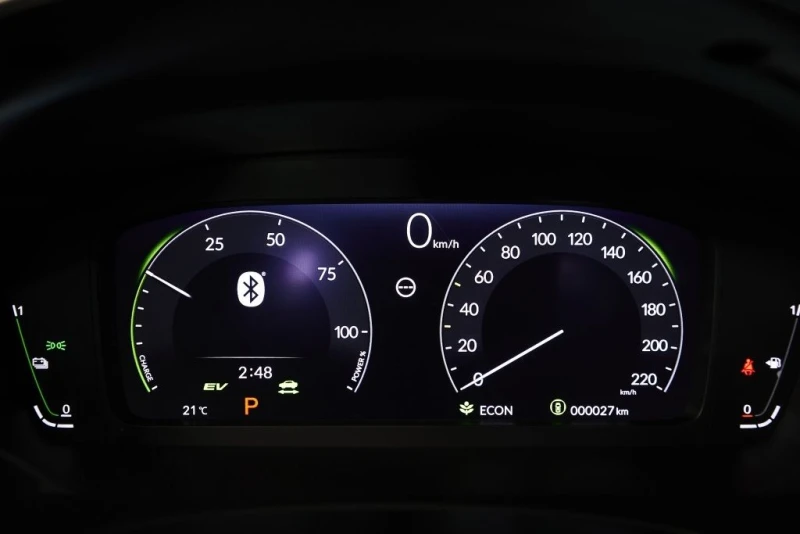
The Civic's interior design revolves around a clean, horizontal dashboard layout that helps make the cabin feel more spacious. The center stack features a 7–9-inch touchscreen integrated high on the dash, with physical climate and audio controls positioned below for easy access. Base models come with a partial digital gauge cluster (7-inch screen combined with analog gauges), while higher trims upgrade to a full 10.2-inch digital instrument panel with customizable themes and available head-up display.
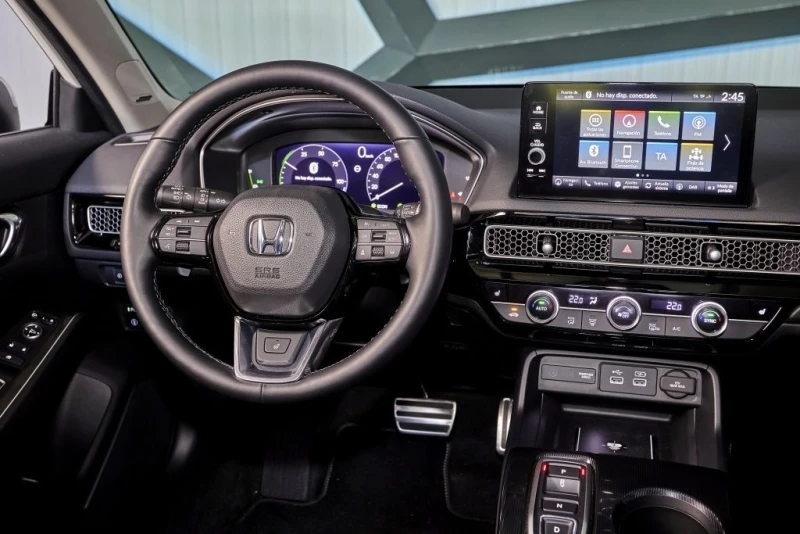
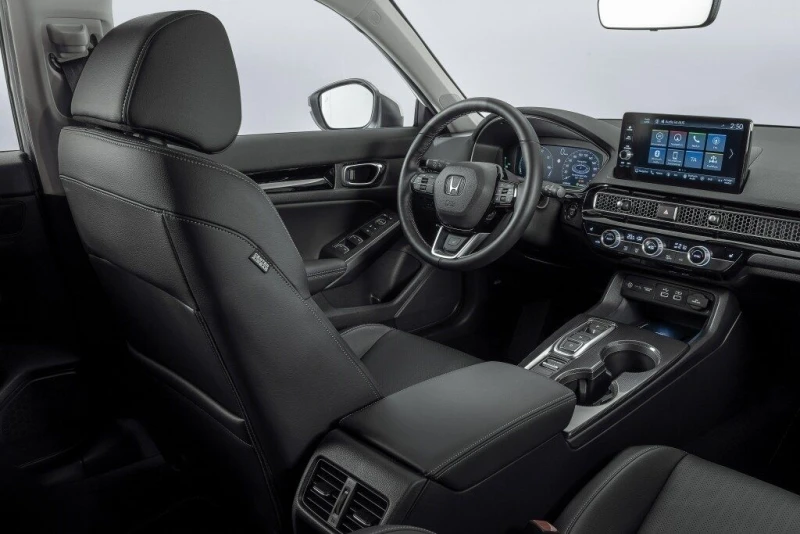
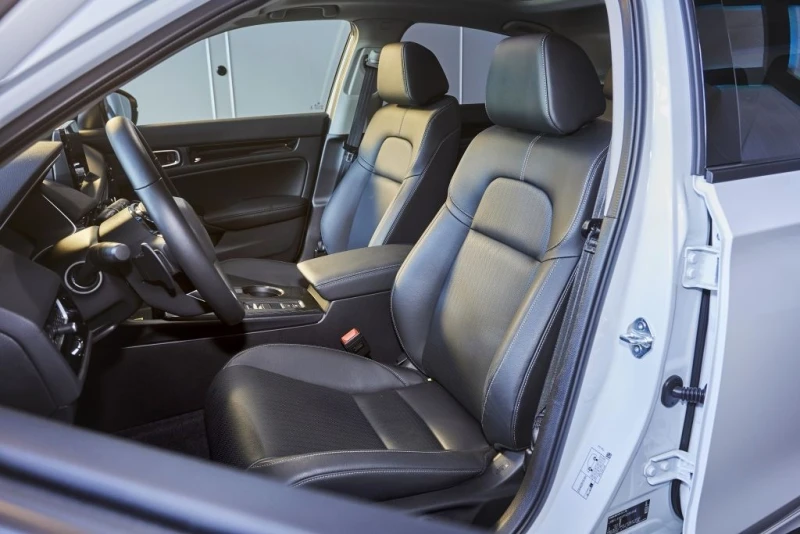
Materials include soft-touch plastics on the dash and door panels, with aluminum or fabric accents on upper trims, and synthetic leather or genuine leather seating surfaces. Build quality feels appropriate for the compact class—durable, tightly assembled, with minimal gaps. Lower trims use more hard plastics in out-of-sight areas, which is standard for this segment.
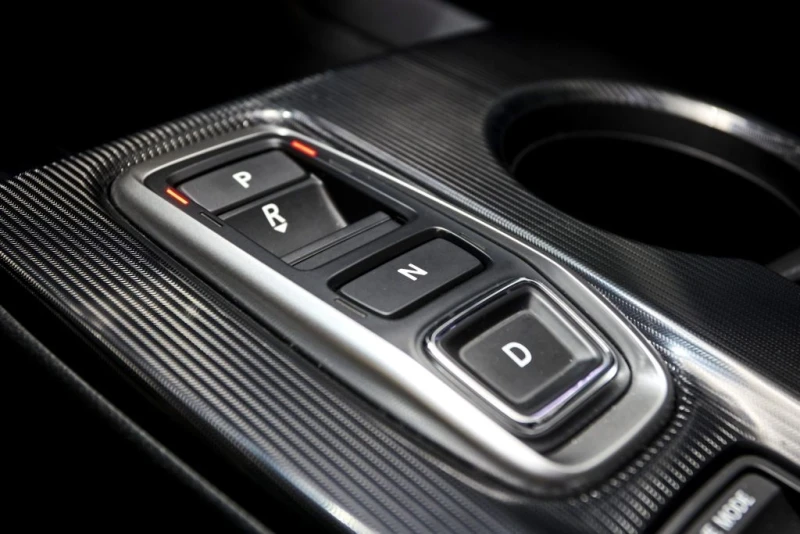
Driver ergonomics are excellent: the multifunction steering wheel, height- and reach-adjustable column, smooth CVT shifter (or manual in performance models), and logically grouped controls make long drives comfortable. Pedal placement and visibility are well sorted.
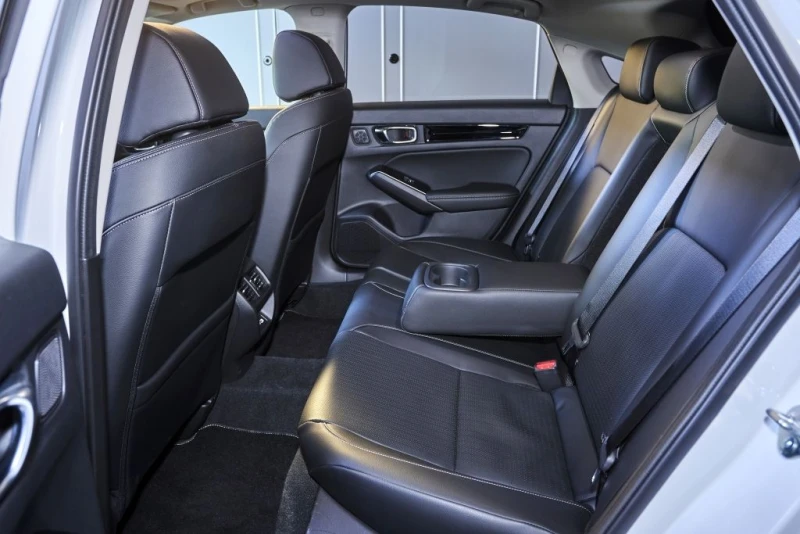
Front-seat comfort is strong, with supportive seats offering ample adjustment (power in top trims), room for drivers up to about 6'1", and good lumbar support. The rear bench accommodates three adults thanks to a 107.7-inch wheelbase, providing decent legroom and headroom—though the center spot is narrower due to the floor tunnel. Rear seatbacks are fixed, with a fold-down armrest and USB ports available on higher trims.
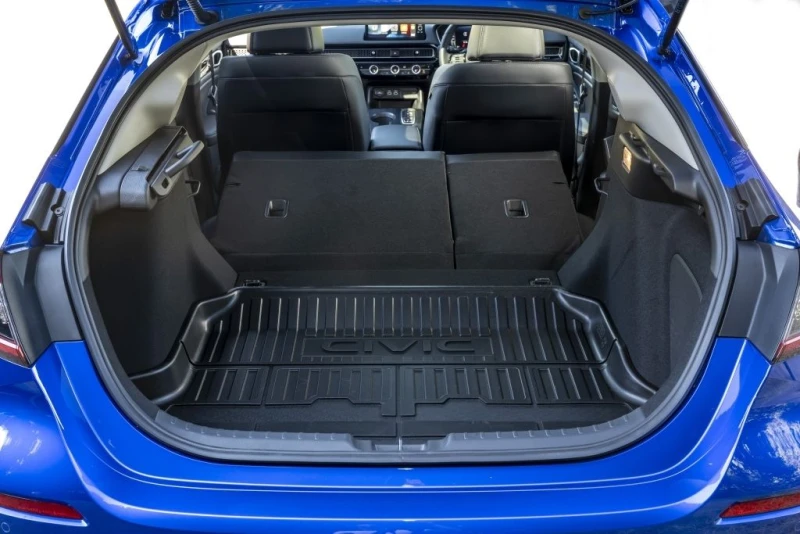
Trunk space measures approximately 14.8 cubic feet (about 419 liters) in the sedan (expandable to around 42 cubic feet with seats folded), while the hatchback offers roughly 24.5 cubic feet (about 694 liters) behind the rear seats. Practicality is solid: flat load floor, cargo hooks, nets, and available power liftgate on hatch models. Seats fold 60:40 for versatile loading. Overall, the cabin excels in daily usability—easy to clean, plenty of small-item storage, and well-suited to city commuting or weekend hauls.
Trim Levels on the US Market
In the United States, the Honda Civic 11th generation is offered in trims such as LX (entry), Sport (mid-level comfort/sporty), Sport Hybrid (efficient), Sport Touring Hybrid (premium), and the performance-focused Type R. These closely align with North American specifications.
Base LX: cloth upholstery, basic trim accents, 7-inch touchscreen with wired Apple CarPlay/Android Auto, manual or automatic climate control, full Honda Sensing suite (adaptive cruise, lane keep assist), no moonroof. Heated mirrors are standard.
Sport: sportier styling with combination fabric/synthetic leather, heated front seats, available 9-inch touchscreen with navigation options, dual-zone climate, blind-spot monitoring, fatigue detection, sport-tuned suspension, available LED headlights.
Higher mid-trims (equivalent to EX/Touring path): synthetic leather seating, enhanced materials (aluminum accents, softer panels), wireless charging, heated steering wheel, expanded Honda Sensing features (traffic sign recognition, low-speed follow), available moonroof.
Sport Touring Hybrid / Type R: premium finishes including available leather/Alcantara with red stitching, Bose premium audio (up to 12 speakers in some configs), ventilated seats, full driver-assist suite, adaptive dampers on Type R, standard moonroof on Touring grades. Type R often features the high-output 2.0L turbo engine and is popular via US dealerships.
Interior Evolution & Mid-Cycle Updates
Since launch, the generation has seen meaningful refinements. Early 2021–2023 models featured 7–9-inch screens, partial digital gauges, and standard sound insulation. Interiors leaned toward black/gray tones with more visible hard plastics.
The 2025 refresh brought noticeable upgrades: larger 10.2-inch fully digital instrument cluster on top trims, updated infotainment with wireless Apple CarPlay/Android Auto, softer materials and fresh color options (including beige and bolder accents). Noise insulation was improved with added mats in wheel wells and doors, reducing cabin noise by roughly 1–2 dB. By 2026, additional touches like enhanced ambient lighting and better device integration have rolled out.
As of 2026, standout features include the crisp digital cluster, large touchscreen, and supportive seats. Some early-model elements—like wired-only phone integration on lower trims or baseline sound deadening—may feel dated next to newer competitors.
Common Owner Feedback & Drawbacks
Owners on US forums and reviews frequently mention a few real-world traits. Interior wear shows up as steering wheel and seat bolster shine after 50,000 miles, especially on cloth; synthetic leather holds up better but benefits from conditioning.
Common gripes include occasional creaks from the center console on rough roads (more noticeable pre-refresh), and some road noise on highways. Rear-seat comfort for three is average—the center passenger feels the tunnel and firmer cushion most in base models.
Visibility is decent but thick pillars and a low hip point require adjustment; mitigated by standard rear camera and available parking sensors. Light interiors can show dirt quickly from road dust or winter salt in northern states. Dealer service is generally strong, with most issues covered under warranty; used imports may have aftermarket quirks.
On the used market, well-kept cabins are common below 40,000 miles, but higher-mileage examples often show typical wear from daily driving.
Final Thoughts & Interior Relevance
As of 2026, the Honda Civic 11th-gen interior remains highly competitive in the compact segment, delivering modern screens, solid materials, and strong ergonomics. It holds its own against rivals like the Toyota Corolla or Mazda3 in everyday usability.
Post-2025 refresh models with the full digital cluster and wireless connectivity are the sweet spot—especially in Sport, Sport Hybrid, or Touring grades. The top Sport Touring Hybrid or Type R justify the premium for Bose audio, ventilation, and moonroof if those features matter; otherwise, Sport or mid-hybrid trims offer excellent value.
When shopping new, prioritize wireless smartphone integration and improved sound deadening. For used examples, inspect:
- Upholstery and plastic condition (shine, cracks);
- Absence of rattles over bumps during test drive;
- Function of screens and phone connectivity;
- Signs of thorough cleaning and no lingering odors;
- Condition of trim pieces, armrests, and controls.
The 2021–present Honda Civic cabin continues to be one of the model's strongest assets, appealing to a wide range of buyers on the US market.