The Honda HR-V II interior is designed primarily for urban driving, delivering a strong mix of compact packaging and genuine usability. Available as a crossover, the 2015–2021 Honda HR-V cabin features North America–specific materials, equipment and trim structure. Below is a detailed look at the HR-V interior adapted for the United States market as of 2026.
Overall Cabin Overview
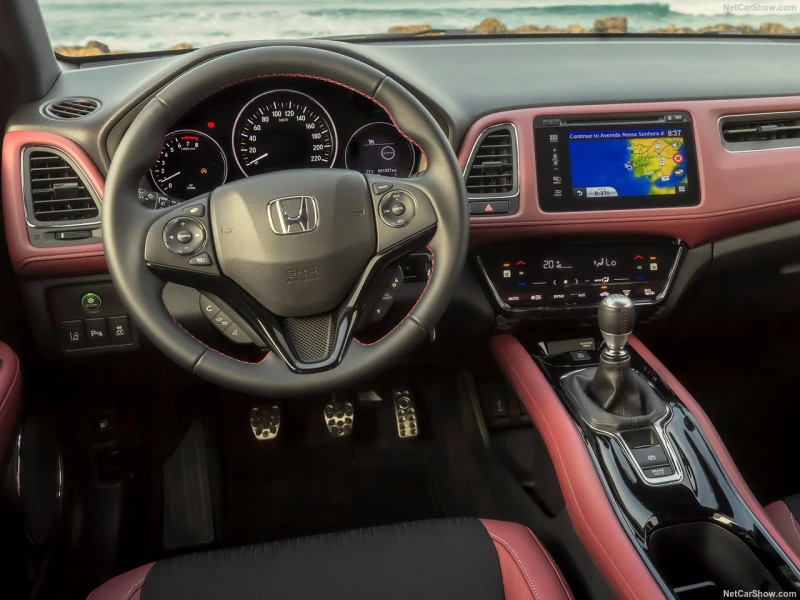
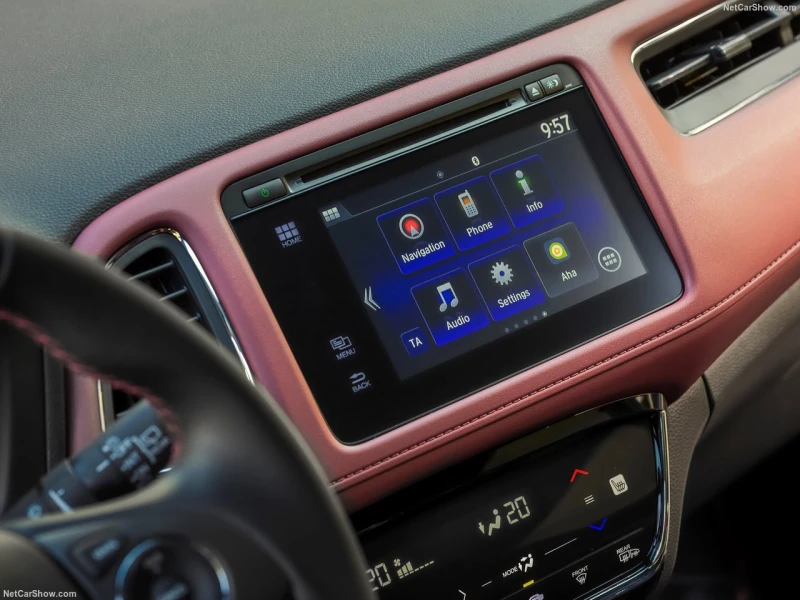
The interior architecture relies on a clean horizontal dashboard that creates a sense of spaciousness despite the vehicle’s compact footprint. Up high sits a 5–7-inch touchscreen, while physical knobs and buttons for climate control and audio sit lower on the center stack. The instrument panel uses analog gauges with backlighting and a small multi-information display.
Materials consist of soft-touch surfaces on the upper dash and door panels, with metallic or fabric accents on higher trims and cloth or leatherette seat upholstery. Fit and finish feel solid for the class—tight gaps, durable surfaces and good long-term wear resistance. Base models use more hard plastics in lower areas, which was typical for subcompact crossovers of the period.
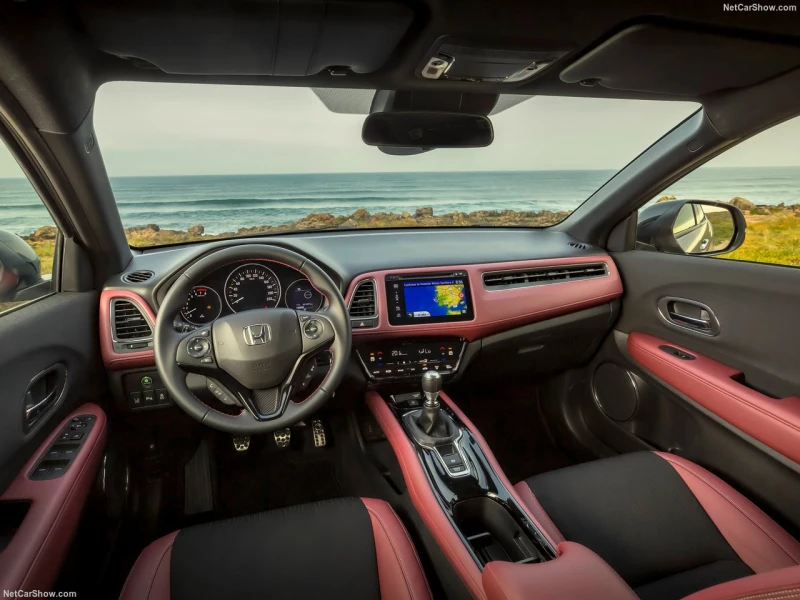
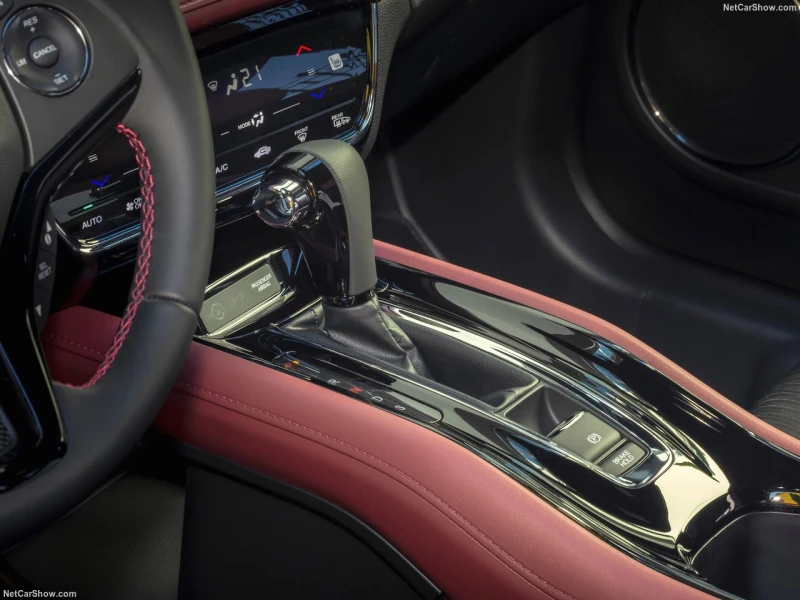
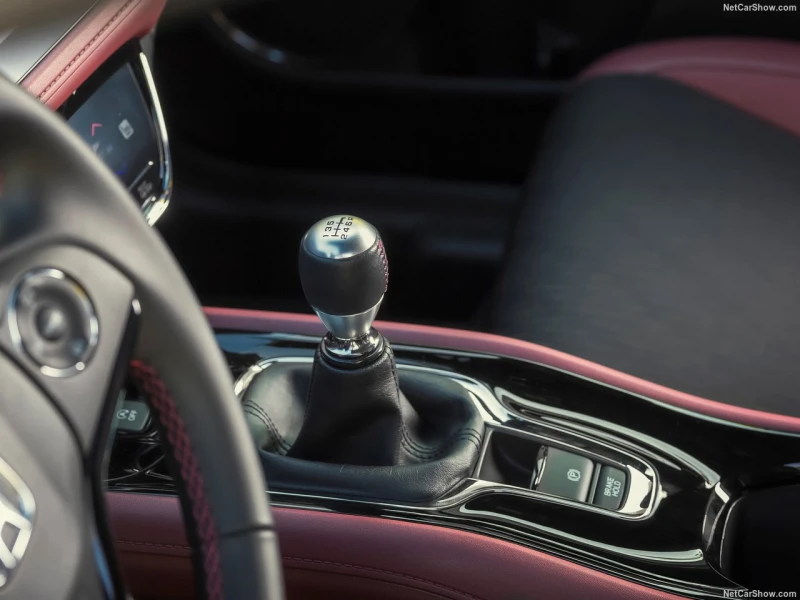
Driver ergonomics are intuitive: tilt-and-telescopic steering wheel, logically placed shifter (CVT or manual), and clearly separated control zones. Pedal placement and reach to controls support comfortable long-distance driving.
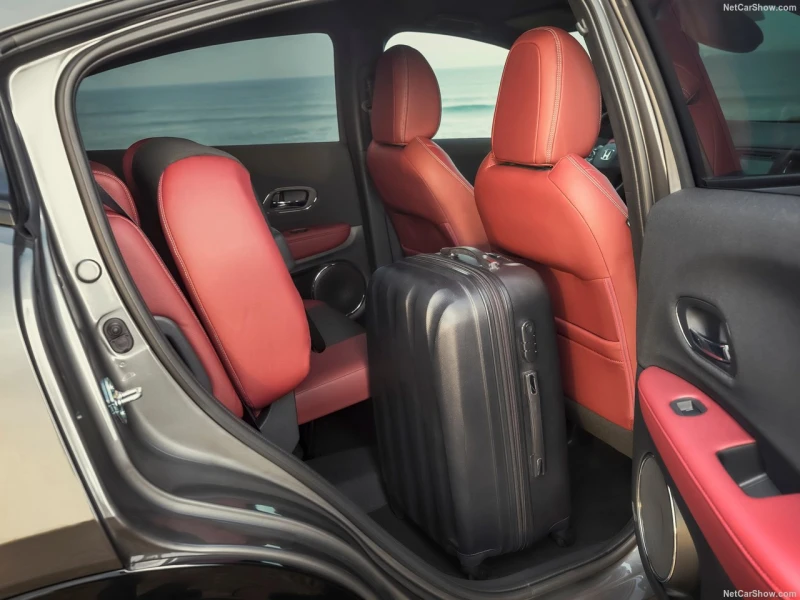
Front seats provide good comfort and space for drivers up to around 6'1", along with adequate lumbar support. The rear bench accommodates three passengers; the 102.8-inch wheelbase delivers reasonable legroom and headroom, though the center position feels cramped due to the prominent floor tunnel. Magic Seats allow the rear seat bottoms to flip up, creating tall load space for bulky items.
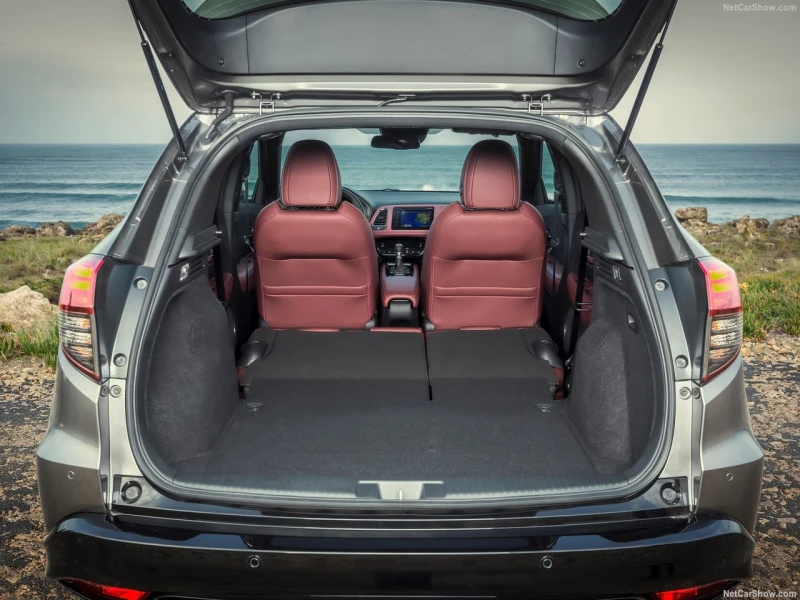
Cargo volume measures 24.3 cubic feet behind the rear seats and expands to 58.8 cu ft with them folded. The load floor is flat, and practical touches include cargo hooks, nets and—in select versions—an underfloor storage tray. The Magic Seats system enables multiple configurations, making the HR-V highly versatile for daily errands, weekend gear or light hauling.
Trim Levels & Features on the US Market
The Honda HR-V II was sold in the United States in several trims: LX (entry level), Sport (styling and equipment upgrade), EX (added comfort and tech), and EX-L (top-tier with leather). These trims reflect typical American buyer priorities, including generous standard equipment and options suited to varied climates.
LX (base): cloth upholstery, basic interior trim, 5-inch touchscreen audio, single-zone air conditioning, standard safety suite (ABS, stability control, six airbags), no panoramic roof. Rearview camera and Bluetooth are standard across the lineup.
Sport: sportier styling with black accents, 18-inch wheels, leather-wrapped steering wheel and shift knob, 7-inch touchscreen, Apple CarPlay/Android Auto compatibility (on later models), and available fog lights.
EX: adds heated front seats, dual-zone automatic climate control, moonroof, push-button start, blind-spot monitoring with rear cross-traffic alert (on later models), and upgraded interior accents.
EX-L: leather-trimmed seats, 7-inch touchscreen with navigation option, premium audio, auto-dimming mirror, and full suite of driver aids. Sport and EX-L trims often include the more powerful 1.8L engine and CVT.
Yearly Changes & 2019 Facelift
Interior updates were modest until the 2019 facelift. Early models (2015–2018) featured a straightforward cabin with cloth or leatherette, black or gray color schemes, standard 5–7-inch touchscreen and analog gauges.
The 2019 refresh brought noticeable improvements: softer-touch materials in more areas, expanded interior color choices (including two-tone options), better sound insulation (added mats and revised seals), updated infotainment with improved smartphone integration, and a cleaner gauge cluster design with enhanced backlighting.
Post-facelift models (2019–2021) generally show better material durability, quieter cabins and higher resale value on the used market. Pre-facelift examples remain budget-friendly but may exhibit more wear on plastics and require aftermarket sound-deadening for highway comfort.
Common Owner Feedback & Interior Drawbacks
Owners frequently praise the clever Magic Seats and overall practicality, but note some typical age-related issues after 60,000–90,000 miles. Steering wheel and seat bolster wear appears around 80,000–100,000 miles, especially on cloth interiors. Leatherette versions hold up better but can crack if not conditioned regularly.
Other reported quirks include minor rattles from the center console or door panels over rough roads (more common pre-facelift), and average rear-seat comfort for three adults due to the tunnel and firmer center cushion. Thick roof pillars and a sloping roofline reduce visibility; mitigated in higher trims with blind-spot monitoring and rear camera.
Light-colored interiors show dirt quickly, especially in regions with road salt in winter or heavy dust in summer. Maintenance is straightforward, though quality of previous repairs on used examples can vary.
Used-market examples with under 90,000 miles usually retain good interior condition; higher-mileage vehicles may show cracked dash pads, sagging seats or worn touchpoints.
Final Thoughts & Relevance in 2026
By 2026 standards, the HR-V II interior appears dated—small screens, analog gauges and relatively simple materials lag behind newer models with large digital clusters and soft-touch surfaces everywhere. Still, it remains one of the most practical and durable cabins in the used subcompact crossover segment, largely thanks to the class-leading Magic Seats versatility.
Best value picks on the US used market: 2019–2021 EX or EX-L models (better tech, quieter cabin, leather/heated seats) or well-equipped Sport trims with the 1.8L engine. When shopping used, inspect carefully for seat bolster wear, dashboard cracks, touchscreen responsiveness, and signs of heavy use (steering wheel shine, pedal wear, musty odors).