These requirements directly affect companies’ model lineups and sales strategies. The story surrounding Hyundai’s N-line sports versions shows how the same brand can respond differently to environmental regulations depending on the region.
European Market: Priorities and Limitations
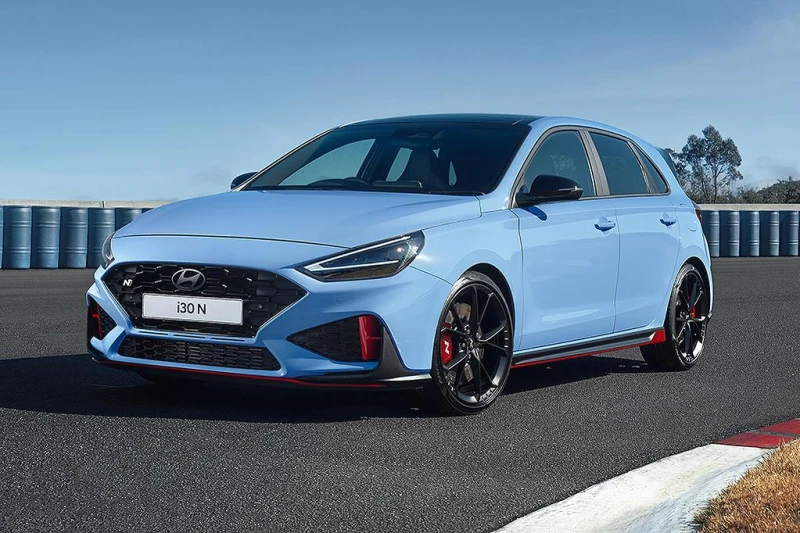
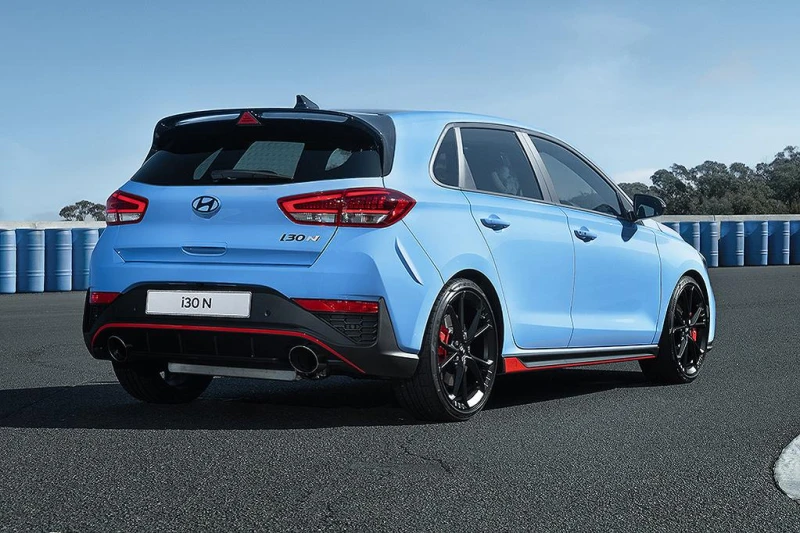
In early 2024, Hyundai’s European division announced the discontinuation of sales for its gasoline-powered sports models, including the i20 N and i30 N. The decision was explained by the long-term course toward a full transition to zero-emission vehicles by 2035 — the very deadline by which the European Union plans to stop registering new cars with traditional internal combustion engines.
Despite steady demand and a significant share of European sales for these models, the company concluded that continued offering of gasoline-powered high-performance versions was impractical in light of average corporate CO₂ emission targets. The European Union operates a penalty system: for each gram exceeding the 95 g/km limit, the manufacturer is required to pay 95 euros. At volume sales levels, these amounts become substantial.
Notably, the i30 N is produced in Czechia, which means logistical costs for European buyers are minimal. However, even local production did not become an argument for keeping the model on sale.
Replacement Attempt: Focus on Electrics
Instead of gasoline models, Hyundai has concentrated on developing its electric-vehicle direction, including the launch of the performance-oriented Ioniq 5 N. This vehicle features a powerful powertrain, simulated gear shifts, and digital engine-sound reproduction. Nevertheless, it belongs to the crossover segment and weighs more than two tons, which changes the driving character compared with the compact N-series hatchbacks.
The high price — around 70,000 euros — also limits the pool of potential buyers. As a result, the company later stated that it plans to return ICE sports versions to the European market in the future, most likely in hybrid form.
Australia: A Different Strategy
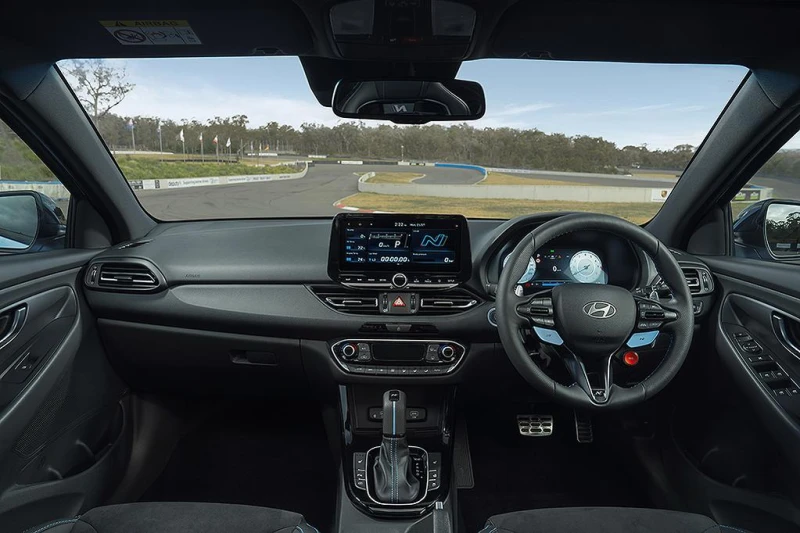
Hyundai is pursuing a completely different approach in Australia. There, N-line sports models continue to be officially sold despite the tightening of national environmental requirements. Moreover, local management publicly declared its readiness to pay fines for exceeding average emission figures.
Under current regulations in Australia, the fine rate is approximately 50 Australian dollars per gram of excess. This is lower than the European level; however, the fundamental point is different — the company is deliberately keeping ICE models in the lineup to maintain brand image and customer loyalty.
Hyundai Australia management emphasizes the importance of the N division in shaping the brand and automotive subculture. According to local media estimates, cumulative fines could reach several million dollars, yet the company considers such expenditure justified.
Differences in Approach
Thus, on two developed markets Hyundai is implementing opposite strategies. In Europe, priority has been given to an accelerated shift to electric vehicles and minimization of penalty risks. In Australia, the focus is on preserving sports models, even if this requires additional costs.
The differences are explained not only by the size of the fines but also by the strategic priorities of the regional divisions and the characteristics of local demand. In one case the company seeks maximum alignment with long-term regulatory policy; in the other it supports the traditional model range to retain its audience.
Conclusion
The story of the Hyundai N models illustrates how global automakers balance environmental requirements, the economics of fines, and customer interests. Approaches can differ by region even for identical vehicles. In an era of tightening regulation, such decisions form part of the brand’s strategic positioning in the global market.