


The vehicle made its official debut in November 2013 at the Tokyo Motor Show, with European sales kicking off in 2015. In the US market, the model arrived around 2015–2016 through official Honda dealerships and some gray-market imports from other regions.
HR-V is built on Honda’s Global Small Car Platform, engineered for compact models with transverse engine layout and available front- or all-wheel drive. This architecture delivers sharp handling and surprisingly generous interior space.
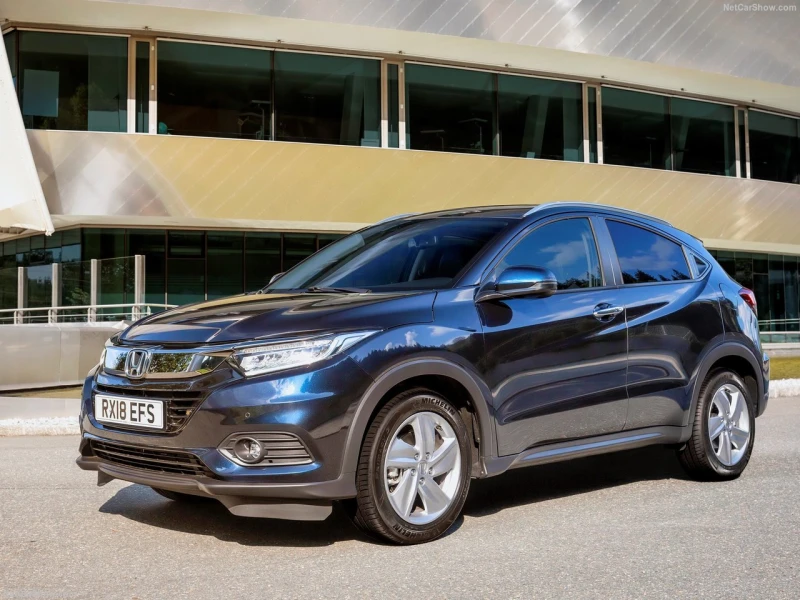
Within Honda’s lineup, the 2nd-gen HR-V slots in as a subcompact crossover, positioned between urban hatchbacks like the Fit and the larger CR-V. It targets buyers looking for a practical, nimble daily driver with crossover styling and light SUV capability. Standout features of this generation include the sleek coupe-like roofline, versatile Magic Seats, gasoline engines (with diesel offered in some international markets), and optional Real Time AWD™.
What’s New Compared to the Previous Generation
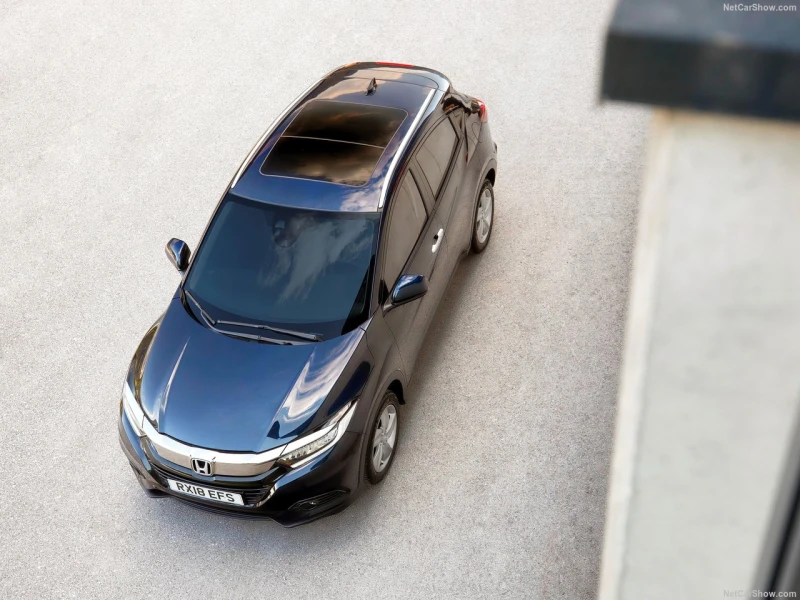
The first-generation HR-V (1998–2006) pioneered the compact crossover segment, but the second generation brought a major evolution. The exterior shifted from boxy to a modern coupe-SUV profile with hidden rear door handles, slim headlights, and rugged plastic cladding. Overall length grew to about 169 inches (from 162 inches), improving cabin roominess.
The platform was completely new — Global Small Car — boosting body rigidity by roughly 20% while keeping weight in check. Powertrains were refreshed: 1.8L i-VTEC gasoline (around 141 hp), CVT replacing traditional automatic in many cases, and the innovative Magic Seats that allow multiple folding configurations. Suspension (MacPherson struts front, torsion-beam rear) was tuned for better ride comfort and handling balance.
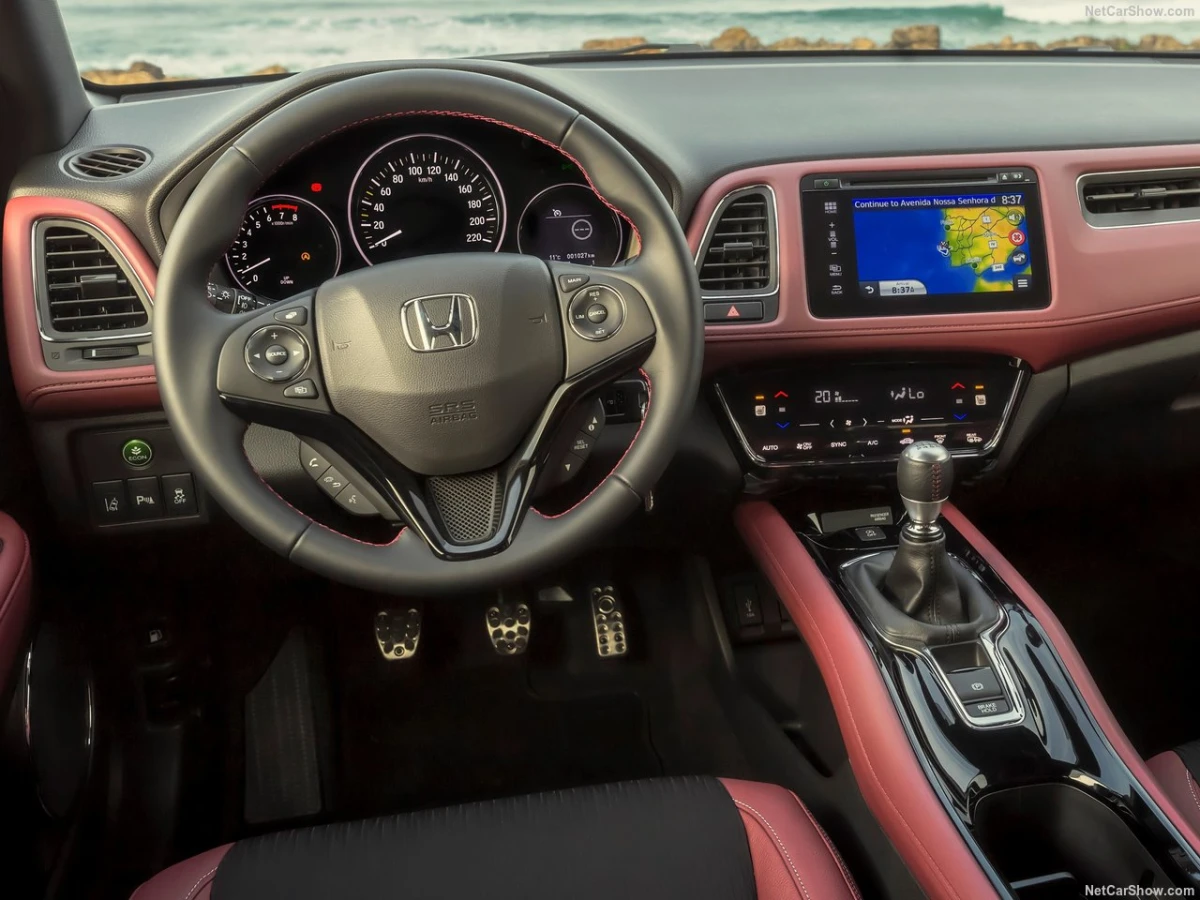
Interior comfort improved significantly: more spacious cabin, higher-quality materials (soft-touch plastics, available leather), better sound insulation. Safety leaped forward with standard features like multi-angle rearview camera, up to six airbags, and available active safety tech. The second-gen HR-V earned strong crash-test ratings and became a more versatile, efficient crossover — especially appealing for urban and suburban use.
Current Status of the Generation
The final model years of the HR-V 2nd gen offered gasoline engines — primarily the reliable 1.8L i-VTEC (141 hp) — with 6-speed manual or CVT, and front- or Real Time AWD™ in select trims.
Key milestones: production began in 2013 (Japan and other plants), US sales ramped up in 2015–2016, a mid-cycle refresh arrived in 2019 (updated styling, improved tech, refined suspension and NVH). Production ended in 2021 as the all-new third generation took over.
Most sought-after configurations on the used market: 1.8L with CVT and AWD (great all-weather capability and smooth drive), well-maintained low-mileage examples from 2018–2021 (better infotainment and refinement). These strike the best balance of price, features, and condition.
US Used Market
In the United States, the 2nd-gen Honda HR-V remains a solid, if somewhat niche, choice on the used market. As of early 2026, thousands of examples are listed across major platforms (CarGurus, Autotrader, Cars.com, etc.). New units are long gone, and fresh low-mileage imports are uncommon due to the model’s age.
The used market is fairly stable: most vehicles are 2015–2021 models with 60,000–130,000 miles, condition varying widely depending on maintenance history. Approximate price ranges (depending on year, mileage, condition, trim, and location):
| Model Year | Engine / Trim | Approximate Market Price (USD) |
| 2015–2016 | 1.8L gasoline / LX or EX | $12,000 – $15,500 |
| 2017–2018 | 1.8L gasoline / EX or EX-L | $14,000 – $17,500 |
| 2018–2019 (facelift) | 1.8L gasoline / Sport or EX | $15,500 – $19,000 |
| 2020–2021 | 1.8L AWD / EX-L or Touring | $17,500 – $21,000 |
Approximate market price range for the United States. The most popular configurations are 1.8L with CVT in mid-to-high trims (EX / EX-L), especially facelifted 2018–2021 models with under 100,000 miles.
Main Trims & Features Available in the US Market
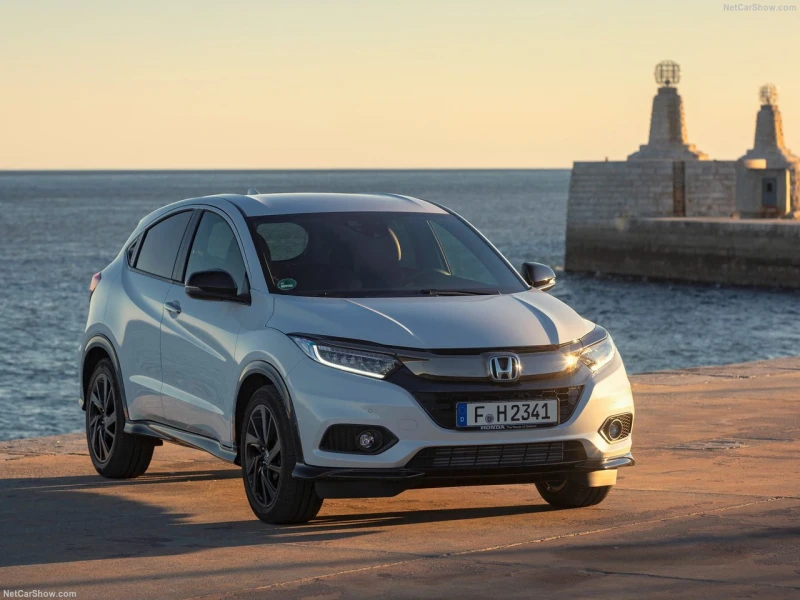
Typical US-market trims for the 2nd-gen HR-V included LX (base), EX (mid-level), EX-L (premium), and later Sport variants.
LX (base): cloth upholstery, 5-inch display audio, air conditioning, rearview camera, standard safety suite (ABS, stability control, multiple airbags), 17-inch wheels.
EX: upgraded cloth or available leatherette, 7-inch touchscreen with better integration, fog lights, heated mirrors, push-button start, moonroof option, 17-inch alloys.
EX-L / Touring: leather seats, premium audio, navigation option, dual-zone climate, Honda Sensing suite (in later years), heated front seats, 17- or 18-inch wheels. Many US examples came with the 1.8L i-VTEC on regular unleaded fuel, available Real Time AWD™, and popular cold-weather packages (heated seats, mirrors).
Conclusions & Relevance Today
The 2nd-gen Honda HR-V remains a smart pick on the used market for buyers seeking a compact crossover that excels in city driving while offering genuine practicality. It appeals to those who prioritize Honda’s legendary reliability and low long-term ownership costs.
The generation still stands out thanks to the clever Magic Seats, efficient powertrains, and readily available parts. It holds its own against contemporaries like the Nissan Rogue Sport, Toyota C-HR, or Mazda CX-3.
Best bets: well-kept 1.8L CVT models (smooth and reliable), 2018–2021 facelifted examples (refined ride and tech), and AWD versions for added versatility in varied weather.
When shopping for a used HR-V, pay close attention to:
- full service records (especially CVT fluid changes);
- suspension and drivetrain condition (leaks, wear);
- accurate mileage and clean accident history (Carfax, thickness gauge);
- body rust (wheel arches, rockers, underbody — less common but check in salt-belt states);
- electronics and engine performance during a thorough test drive.
The Honda HR-V 2nd-gen review confirms it remains a relevant, desirable used crossover in the US market in 2026.