An analysis of preferences among parents with children helps understand which types of vehicles are still considered the most convenient for everyday use and why many of them have nearly vanished from the European market.
How Family Car Offerings Have Changed
In recent years, the structure of model lineups in Europe has simplified significantly. Manufacturers are increasingly focusing on crossovers and SUVs, offering a limited selection of powertrains and body styles. This is largely due to regulatory requirements and efficiency calculations that shape brand development strategies.
At the same time, versatile family vehicles with maximally practical layouts have gradually lost priority. This is especially true for the MPV segment, which was once widely represented and enjoyed steady demand.
What Families Choose in Practice
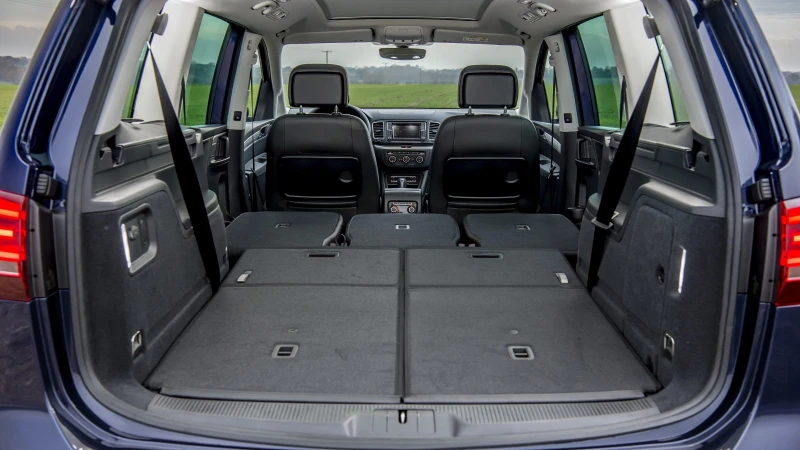
Research based on data from 2023 to 2025 shows that the needs of families with children remain largely unchanged. Priorities include a spacious interior, easy access to seats, a large trunk, and the ability to transport strollers, bags, sports equipment, and pets without difficulty.
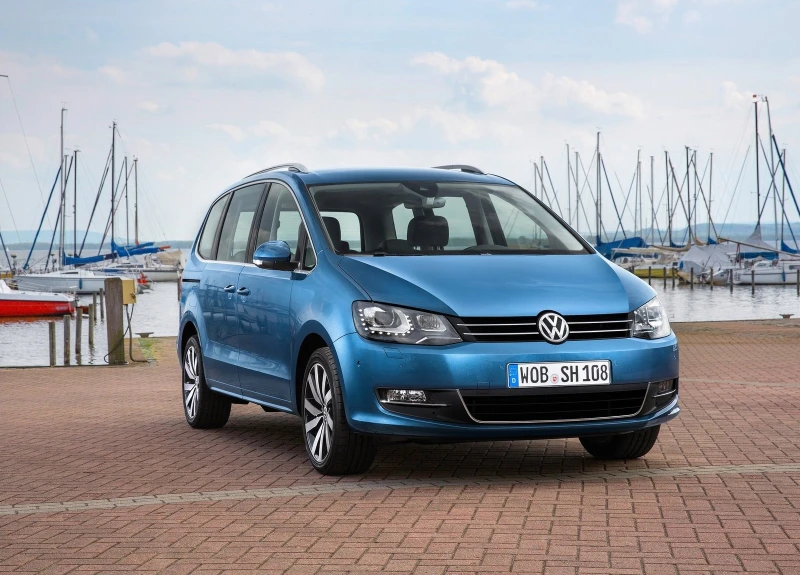
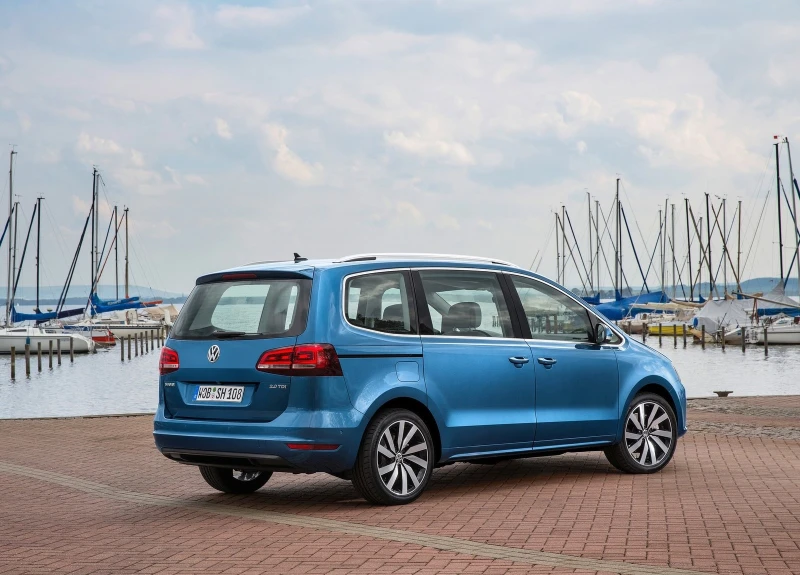
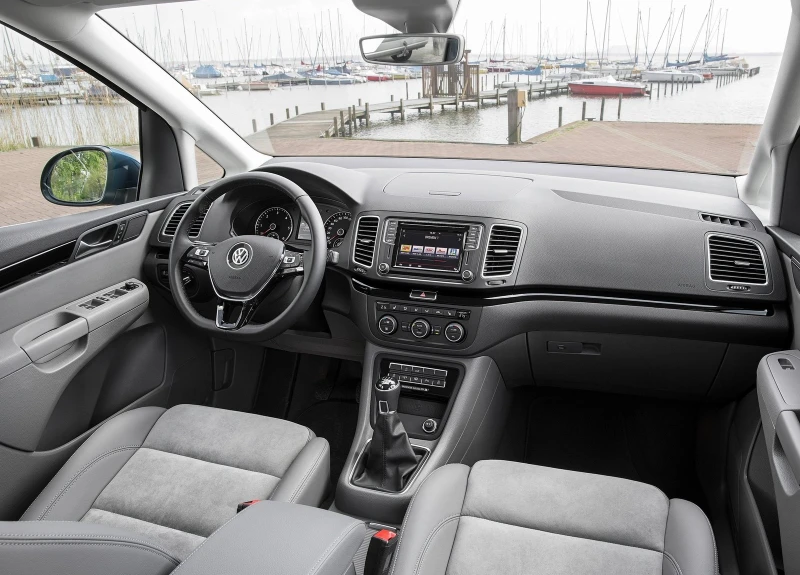
The key factor is functionality, rather than exterior appearance or increased ground clearance. For this reason, the Volkswagen Sharan emerged as the leader in attractiveness among families, with its selection probability significantly exceeding segment averages. Following it is the Ford Galaxy — a vehicle with a similar concept, designed for comfortable trips with full loading.
Lack of Alternatives Among New Models
Notably, both of the most in-demand vehicles are no longer in production: Sharan manufacturing ended in 2022, and Galaxy in 2023. Among models available on the market today, the closest in purpose is the Skoda Superb in wagon body style. Its cargo compartment holds from 690 to 1,920 liters, making it one of the most practical in its class.
The list also includes the Volkswagen Touran and Transporter, but they too belong to niche offerings without direct modern equivalents in the mass segment.
Conclusions and Possible Implications
The research results demonstrate sustained interest from families in vehicles with maximally rational layouts. Despite relatively small sales volumes, such models exhibit high owner loyalty and active usage. The absence of new offerings in the MPV segment creates deferred demand, which could be quickly realized upon the appearance of suitable models.
Experience from other markets, particularly Asian ones, where similar vehicles remain in demand, shows that the format is still relevant. The European market currently lacks this choice, but buyer interest continues to persist.