A series of company decisions—from the model lineup to the calibration of electronic driver aids—are increasingly seen as factors that reduce the appeal of Honda vehicles to its loyal customer base. This article examines the main reasons why the brand's position in Europe continues to weaken.
Declining Sales and a Narrower Model Range
In the first ten months of 2025, Honda sold fewer than 47,000 vehicles across Europe, marking yet another year-on-year decline. For context, individual models from mainstream brands often outsell Honda's entire European lineup.
In practice, the compact Honda Jazz accounts for the bulk of sales. Its outsized role in the statistics highlights the limited scope of the current offering and the absence of truly high-volume models in key segments.
Heavy Focus on Hybridisation and Price Increases
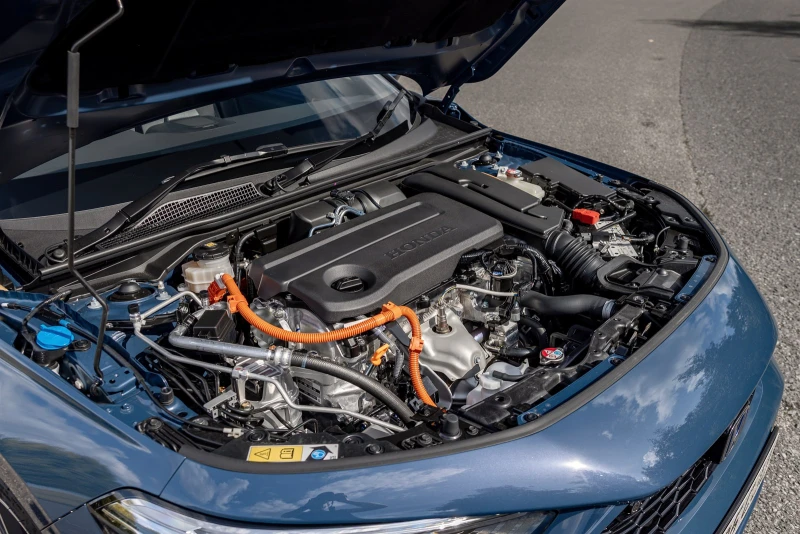
One of Honda's core strategic choices has been an almost complete shift to hybrid powertrains. In the European market, this has led to significant price hikes. The compact Jazz hybrid starts at around €25,000, while the Civic begins at approximately €35,000.
However, the hybrid approach doesn't always deliver clear benefits that justify the premium for buyers, especially considering higher maintenance costs and the lack of non-hybrid alternatives.
Intelligent Speed Assistance and Its Strict Implementation
Particular attention is warranted for Honda's rollout of Intelligent Speed Assist (ISA), which has been mandatory for new cars in the EU since 2024. Most brands allow quick deactivation via a dedicated button or simplified menu.
In Honda vehicles, ISA is implemented far more rigidly. Deactivation requires navigating deep into the menu each time to disable road-sign recognition. In updated Civic models, the option has been removed entirely: the system stays permanently active and responds to detected speed limits—even when signs are misread.
Real-World Consequences for Drivers
- constant audible warnings from incorrect sign detection;
- no quick way to disable the system after starting the engine;
- need for drastic workarounds, such as turning off navigation entirely.
Contrast with Other Manufacturers
Many automakers meet regulatory requirements on paper while still making electronic assistants easy to manage. Honda, by contrast, has chosen the most restrictive approach, leaving drivers with little flexibility.
The Bottom Line
Honda's sales decline in Europe isn't due to a single issue but a combination of factors: a restricted model range, higher prices from hybridisation, and uncompromising calibration of mandatory safety systems. In a highly competitive market, these characteristics are directly affecting brand perception and future prospects.