


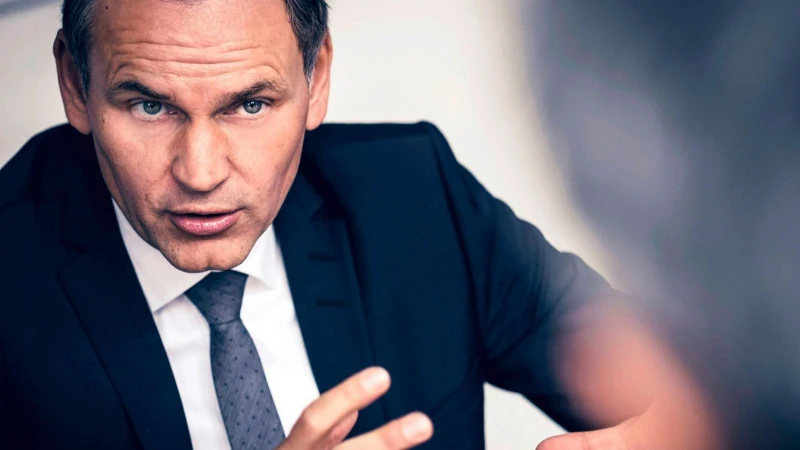
After more than a decade at the helm, Oliver Blume stepped down as CEO. His departure capped a turbulent period in which one of the world's most profitable automakers faced a sharp sales drop and eroded investor trust. This article examines the key factors behind the crisis and the decisions that contributed to it.
The Start of a Strategic Pivot
One of Blume's earliest major moves after taking the top job was to accelerate the electrification of Porsche's lineup. At the time, the direction seemed sound: the industry was buzzing about phasing out internal combustion engines, and regulators were tightening emissions rules. Yet Porsche's approach proved overly one-sided.
The critical decision was to launch the new Macan exclusively as an electric vehicle, without offering a parallel gasoline-powered version. This narrowed customer choice and alienated buyers who preferred traditional powertrains.
Market Backlash and Sales Slump
The impact was felt most acutely in China, long one of Porsche's strongest markets. Over a few years, the brand lost roughly 70% of its customers there. Shifting consumer preferences combined with a lack of product flexibility were the main culprits.
The numbers tell the story: in the first three quarters of the most recent reporting year, deliveries fell 26% to around 32,200 vehicles. By comparison, the same period in 2021 saw over 95,000 units delivered. Porsche responded by scaling back its regional presence and streamlining staff.
Rethinking the Approach
Shortly before his exit, Blume publicly acknowledged that the company had misjudged the situation—particularly with the Macan. He admitted Porsche underestimated sustained demand for internal combustion engine models, which he now believes will remain strong for at least another 10–15 years.
Production strategy added another layer of complexity. Leadership considered local assembly in China but ultimately rejected it over brand image concerns. The company is now waiting for the revised strategy to take effect, a process that won't deliver immediate results.
Looking Ahead
Returning to a more balanced lineup will take time. Adding gasoline variants to models like the Macan and the 718 family is expected to span several years. Until then, Porsche must rely on its current portfolio, which doesn't fully align with the preferences of its traditional buyers.
Starting in 2026, Michael Leiters—who previously led engineering and management at other performance brands—takes over as CEO. Industry observers expect a more pragmatic direction that learns from past missteps.
The Takeaway
Recent years have shown that even a powerhouse brand can stumble when it misreads market signals and customer expectations. For Porsche, this chapter serves as a reminder of the importance of flexibility and maintaining the balance between innovation and the heritage that has defined the marque for decades.