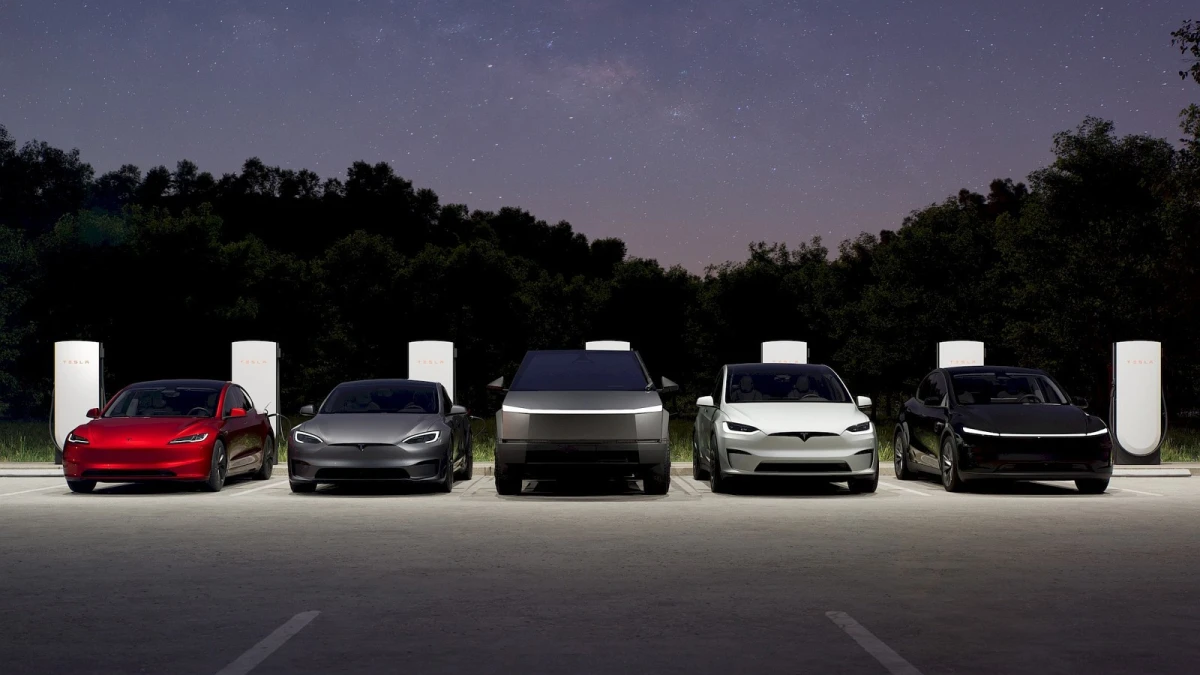
In recent years, electric vehicles have increasingly taken part in these high-profile track sessions, often posting eye-watering power figures. But a recent example from the track clearly shows that raw horsepower alone doesn’t guarantee overall dynamic superiority.
The Role of Track Lap Times in the Automotive Industry
Historically, lap records have been less about marketing hype and more about proving a car’s balance. To set a fast time on a demanding circuit, you need more than just a powerful engine—you need effective brakes, consistent cooling, predictable handling, and the ability to maintain performance throughout the entire lap.
Long and technically challenging tracks like the Nürburgring Nordschleife are especially good at exposing a car’s weaknesses. Here, it’s not about a single burst of acceleration but sustained performance over several minutes of intense driving.
Strengths and Weaknesses of Electric Powertrains
EVs dominate in disciplines where straight-line acceleration is key. Electric motors can deliver thousands of horsepower with instant response. However, under prolonged high load, limitations related to battery weight, thermal management, and braking performance come into play.
On track, this translates to earlier braking points, more careful tire management, and a reduced pace on longer stints. As a result, much of that massive power potential goes unused.
A Revealing Comparison at the Nürburgring
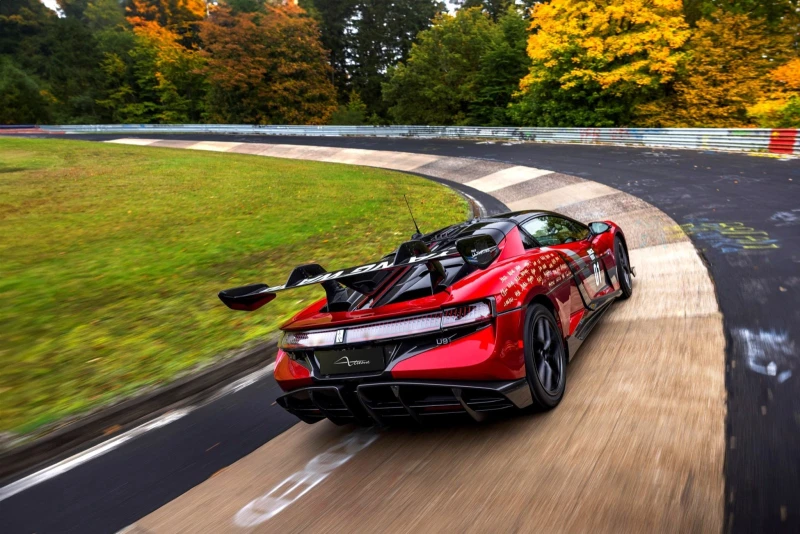
The electric hypercar Yangwang U9 Extreme, with a claimed output of 3,018 horsepower, completed a Nordschleife lap in 6 minutes 59 seconds. Officially, that’s the fastest time for an electric vehicle, yet it still trails the gasoline-powered Porsche 911 GT3—equipped with a naturally aspirated 4.0-liter engine producing 510 horsepower and a manual transmission—which lapped in 6 minutes 56 seconds.
The difference in philosophy highlights the core issue: a car weighing around 5,500 pounds with extreme power was slower than a significantly lighter and mechanically simpler machine.
What the Record Numbers Really Mean
The electric sports car was produced in limited numbers and designed primarily to showcase technology. Its roughly 80 kWh battery can only sustain a handful of fast laps, whereas gasoline-powered track cars can run consistently all day long.
This underscores the different approaches: one is a one-off achievement in a narrow category, the other a well-rounded sports tool suitable for regular track use.
Conclusion
The Nürburgring example shows that electric vehicle track records need careful context. Massive power alone can’t replace lightness, endurance, and harmonious chassis tuning. When evaluating progress in performance cars, overall balance still matters more than isolated record-breaking figures.