And that reality is proving tough. Even the quickest Porsche ever built, complete with track records, a prestigious name, and barely any miles, sheds massive value almost the moment it leaves the dealership.
When Market Strategy Doesn't Align
Porsche has built its legacy on emotion, engineering excellence, and a deep understanding of its buyers. But the big bet on electric performance cars has revealed that even icons can misjudge the market. Heavy investments in the EV lineup have proven costly and slow to pay off, impacting not just new models but the entire brand.
As a result, the company has had to rethink strategies, scale back some projects, and shift into crisis management mode. This isn't speculation—financial reports confirm the high cost of the "electric push."
Why Electric Performance Cars Struggle to Hold Value
There are several grounded reasons:
- Limited range in high-power EVs;
- Longer charging times compared to refueling;
- Rapid battery tech obsolescence;
- Soft demand on the used market.
All this creates a simple equation: supply outpaces demand, driving prices down—fast and without mercy.
Taycan Turbo GT Weissach: Records Set, Demand Lacking
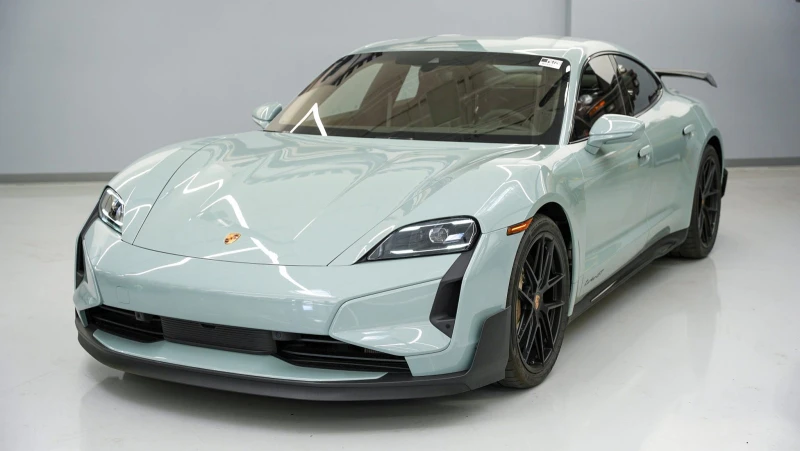
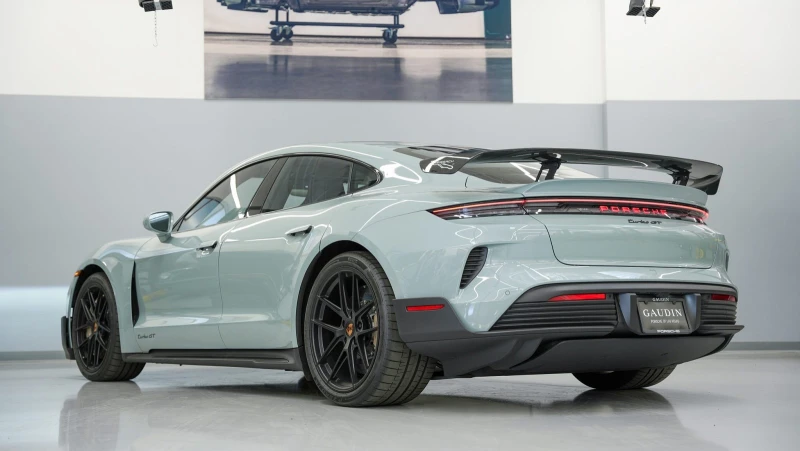
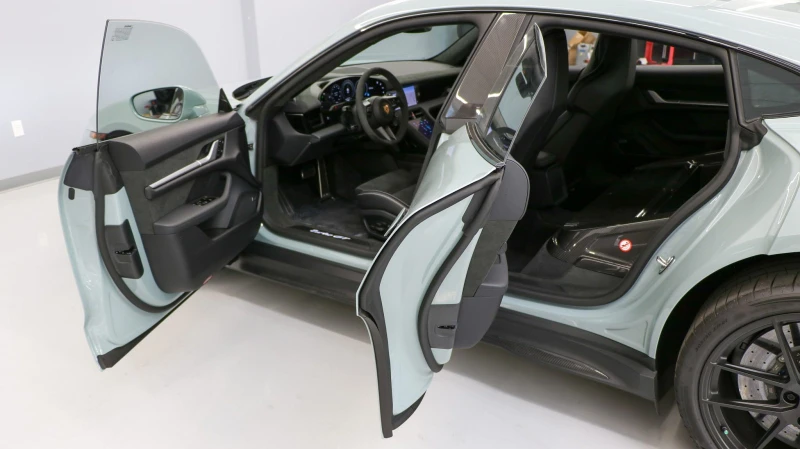
A prime example is the Porsche Taycan Turbo GT Weissach. It's the pinnacle of engineering: up to 1,019 horsepower with launch control, 0-60 mph in about 2.1 seconds, and the title of quickest-accelerating Porsche in history. Add a Nürburgring lap record—though not a win for ICE fans.
A specific 2025 model-year example with just 141 miles showed up on Bring a Trailer. New, it stickered around $250,000 including options. For reference: paint, wheels, and interior upgrades added modestly in this segment.
And here's where it gets interesting.
Tens of Thousands Lost in Months
The highest bid reached only $167,000. Even ignoring that the reserve wasn't met, the gap is striking. That's roughly an $83,000 drop virtually overnight, with minimal mileage and a nearly new car.
This isn't an outlier—it's becoming the norm. Losing $50,000–$80,000 in the first year on premium Taycans is now common. And it only gets steeper from there.
What This Means for Buyers
Owners of rare, high-end Porsches are used to a different story. A 911 GT3 RS typically holds value for years or even appreciates. That formula doesn't apply to the electric versions. Savvy buyers—who make up most Porsche customers—see it clearly.
Ultimately, the market decides. You can talk all day about the future, sustainability, and records, but when a car drops tens of thousands in months, enthusiasm fades fast.
The Taycan Turbo GT Weissach story isn't just one bad resale. It's a clear sign that the electric format in ultra-premium performance cars hasn't yet become the "next big thing" many expected.