


For years, the automotive industry operated under a simple, almost unchallenged rule: talk about the environment, caring for the planet, and building a "better future," and you're automatically on the right side of history. Those phrases became a golden ticket—into press releases, presentations, long-term strategies, and even motorsport coverage. The assumption was that this messaging worked every time.
But cracks have started to appear. The words meant to inspire respect and trust began to feel repetitive—and in some cases, downright irritating. This raises an uncomfortable question: what if the issue isn't the audience or the "old-school" skeptics, but the overuse of these phrases as a catch-all justification?
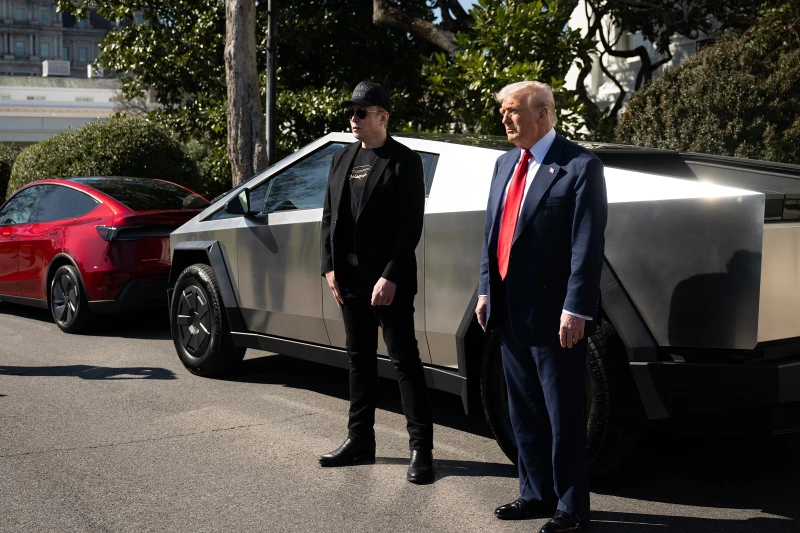
A telling sign came from the last place you'd expect. Tesla—the company long synonymous with the "green future"—quietly removed that emphasis from its official mission statement. No fanfare, no explanations, as if it simply wasn't that central anymore.
Phrases That Stopped Helping Sales
Talking about the "green transition" served as a free pass for a long time. It justified higher prices, more complex vehicles, the disappearance of traditional options, and even reliability trade-offs. The logic was straightforward: the goal was so noble that side effects didn't need discussion.
In reality, a paradox emerged. Many solutions presented as steps toward an eco-friendly future proved economically and technically fragile. Complex powertrains, heavy and costly batteries, reliance on incentives and policy support—all of it worked only under perfect conditions. Change the market or the rules, and the whole structure starts to creak.
Why Tesla's Move Matters More Than It Seems
It's not just about rewording a mission statement. What matters is who made the change. When the company whose brand was built on "making the world better" decides to downplay that idea, it signals they've detected a shift in buyer sentiment.
The subtle effect: customers increasingly want clear, measurable value rather than a moral overlay. Around 300–400 miles of real-world range, predictable ownership costs, and everyday convenience—without feeling like they're being sold a lifestyle philosophy along with the car.
Marketing Tired Out Faster Than the Tech
Technology advances slowly and steadily, but words wear out fast. What sounded cutting-edge yesterday can feel like empty buzz today. Tesla appears to be the first to acknowledge this openly—without the drama or bold claims.
A Quiet Conclusion Without Slogans
Dropping the "green mission" rhetoric doesn't mean abandoning progress or innovation. It's more about communicating simply and honestly, without extra ideology. The industry may be returning to discussing actual performance and real benefits instead of abstract promises.
If that's the case, it's not a step backward—it's a sign of maturity. Truly sustainable ideas rarely need loud slogans to survive.