One prominent example is Hyundai's approach, which integrates artificial sound systems and "virtual" gear shifting into its models. This decision raises questions about the future direction of automotive technology and the actual purpose these functions serve.
An Electric Vehicle with the Character of a Gasoline Car
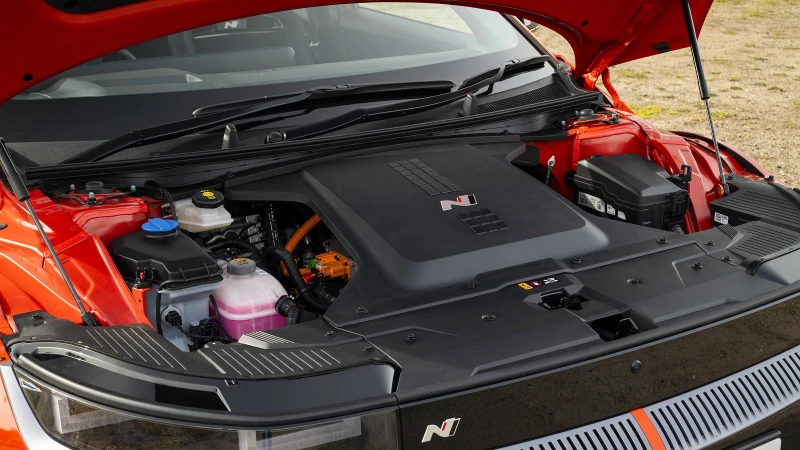
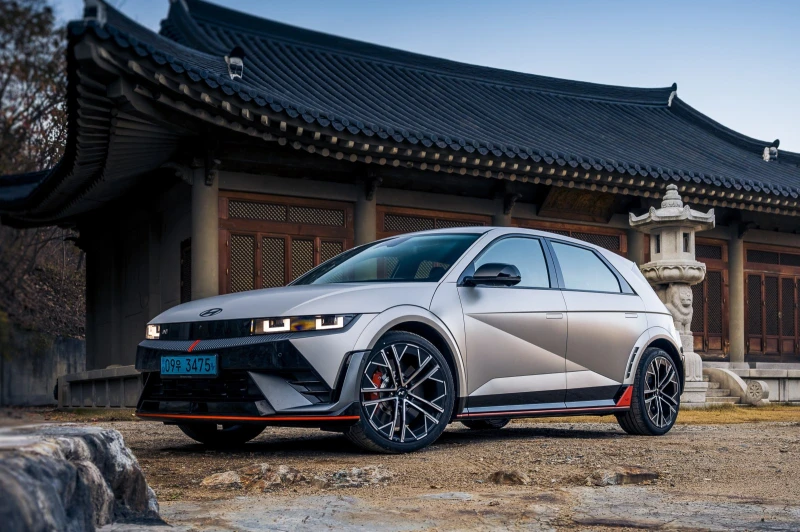
In 2023, Hyundai introduced the high-performance version of its electric crossover, the Ioniq 5 N. The model features two electric motors with a combined output of up to 650 horsepower in short-term boost mode. Acceleration from 0 to 100 km/h takes approximately 3.4 seconds, placing it on par with modern sports cars.
However, the key innovation lies not only in its dynamic performance but also in the additional systems that alter how the vehicle is perceived. These include technologies that simulate the sound of a gasoline engine and the operation of a conventional transmission. Despite the lack of mechanical necessity, the car can replicate characteristic gear shifts and sound effects familiar from ICE-powered models.
The Purpose of Simulation
Electric vehicles deliver smooth, linear power and lack a stepped transmission. For some drivers, this is perceived as a lack of engagement in the driving process. In response, manufacturers have begun adding elements that create more familiar sensations.
Hyundai describes these solutions as a way to expand its customer base and make electric vehicles more emotionally appealing. These systems can be disabled, returning the car to its standard EV driving mode.
Expanding the Technology to Other Models
According to company representatives, similar features are planned for other electric vehicles in the lineup. However, they will not be available on all versions — such systems require a certain level of performance.
- Simulated gear shifting requires high power output
- Artificial sound can vary depending on the driving mode
- The features remain optional and can be turned off
In this way, the manufacturer emphasizes flexibility: the driver can choose between the typical behavior of an electric vehicle and a more "classic" driving style.
Market Reaction and Alternatives
These solutions elicit mixed reactions. On one hand, they may attract new customers accustomed to internal combustion engine vehicles. On the other, some enthusiasts view it as moving away from the core advantages of electric platforms, such as mechanical simplicity and seamless power delivery.
Another consideration is pricing. High-performance electric models occupy the same segment as traditional gasoline-powered sports cars, intensifying competition between the two approaches.
Conclusion
The use of simulated engine sounds and gear shifts in electric vehicles reflects an attempt to align new technology with traditional driver expectations. This approach may broaden the appeal, but it also raises questions about forgoing the inherent advantages of electric powertrains. The future development of this concept will depend on market response and buyer preferences.