The Romanian brand, long regarded as a "last resort option," has unexpectedly become a symbol of calculated reasoning and practicality. This is not marketing rhetoric, but straightforward data backed by the German automobile club ADAC—an organization unlikely to favor any specific brand.
How Dacia Transformed Its Reputation
In the past, Dacia was purchased by those who simply could not afford something "standard." Basic materials, outdated technology, and emotionless design. However, the market has evolved. New cars in Europe have increased in price by tens of percent over recent years, without a corresponding leap in quality or technology.
Dacia has also become more expensive—but to a lesser extent. Concurrently, the brand has enhanced its exterior, improved interior quality, and updated its technical components. The result is an intriguing formula: vehicles that remain simple but no longer primitive. This is no longer a "shameful compromise," but a deliberate selection.
The Real Cost of Car Ownership
ADAC calculated the total cost of ownership for a car over 5 years and 75,000 km of mileage. The assessment included everything: depreciation, fuel (gasoline, diesel, gas, or electricity), maintenance, insurance, and mandatory fees. Here, Dacia outperformed its competitors decisively.
The brand emerged as the cheapest to operate in all segments where it is represented. In some cases, the margin is so significant that it highlights challenges for other manufacturers.
Specific Figures—Without Illusions
The most affordable vehicle in terms of operation is the Dacia Sandero. One kilometer of travel costs an average of 0.35 euros. For comparison: the nearest competitor is approximately 0.07 euros more expensive per kilometer. This may seem minor, but over years of ownership, it amounts to thousands of euros.
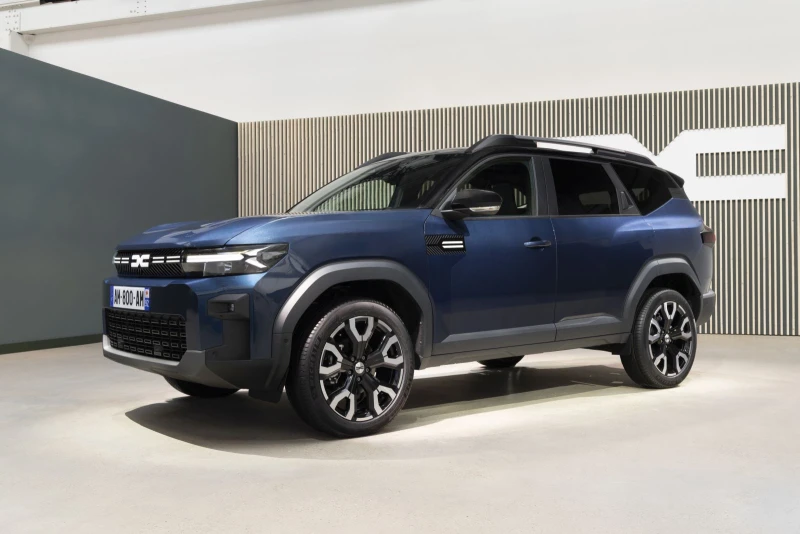
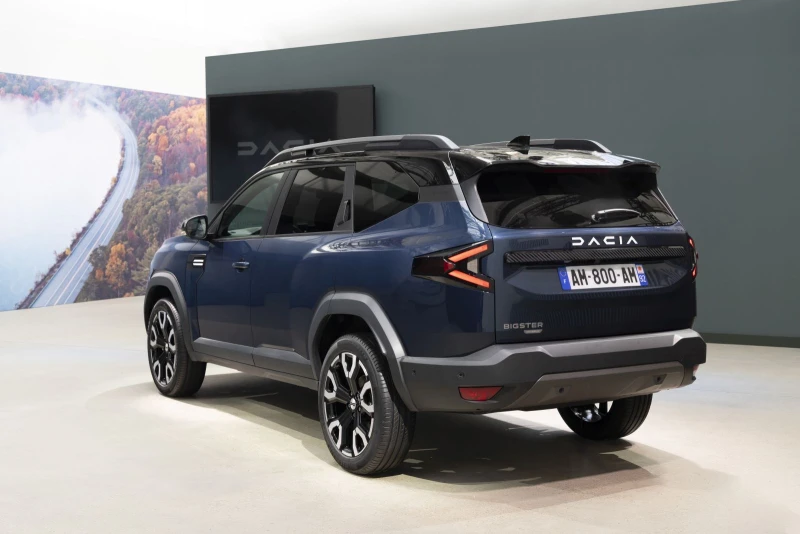
Even more impressive is the Dacia Bigster. For a large SUV, the cost per kilometer is about 0.42 euros. The gap from the closest competitor is nearly 0.18 euros per kilometer. Over 5 years, this translates to savings of around 13,800 euros—an amount sufficient to purchase a small used car.
The Cheapest Cars According to ADAC
- Minicar: Dacia Spring — about 0.35 euros per km
- Small class: Dacia Sandero — about 0.35 euros per km
- Lower middle class: Dacia Jogger — about 0.43 euros per km
- Compact SUVs: Dacia Duster — about 0.44 euros per km
- Mid-size SUVs: Dacia Bigster — about 0.42 euros per km
Why This Is Possible
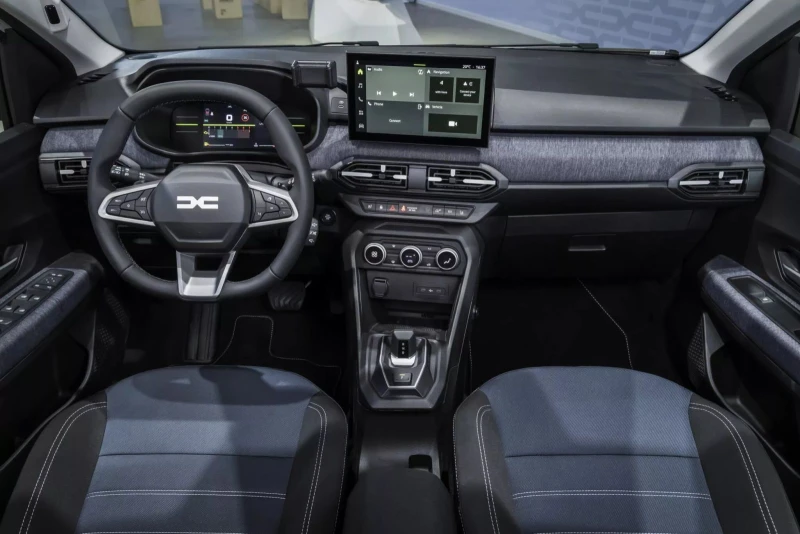
The approach is straightforward. Dacia avoids pursuing trendy but costly solutions. There are no overloaded multimedia systems, complex suspensions, or controversial design experiments. Instead, it offers proven engines, including gas versions, simple construction, and reasonable maintenance costs.
Against the backdrop of the European new car market's rapid escalation, Dacia appears as a bastion of sensibility. It is unsurprising that the Sandero consistently ranks among Europe's top sellers, and the brand itself sells nearly as many vehicles as some established names combined.
Conclusion
Dacia today is not about austerity or compromise. It is about rationality—a vehicle that does not continuously drain resources. While it lacks premium sensations, it provides predictability, manageable expenses, and a sense of fairness. In current market conditions, this may be one of the most valuable attributes available.