High ratings in crash tests are used by manufacturers in their advertising and are viewed as a significant market advantage. However, in recent years the organization's approach has increasingly come under scrutiny, particularly among brands focused on affordable vehicles.
One such company is Dacia. The Romanian manufacturer openly does not pursue maximum Euro NCAP ratings and prefers to maintain lower vehicle prices, even if this results in fewer stars in the overall rating.
How Euro NCAP Ratings Have Evolved
Originally, Euro NCAP was established as a program to evaluate passive vehicle safety. Its primary focus was on protecting drivers and passengers in the event of collisions. Over time, however, the assessment methodology has incorporated a growing number of electronic assistance systems and accident prevention technologies.
Today, the final score depends not only on body strength or airbag performance but also on the presence of:
- automatic braking systems;
- lane keeping assistance;
- driver fatigue monitoring;
- traffic sign recognition;
- adaptive driving assistance systems.
Achieving the maximum five-star rating requires manufacturers to equip vehicles with extensive electronics, including costly systems even in the volume segment.
Dacia's Approach
Dacia follows a different strategy. The company emphasizes affordability and seeks to avoid complex equipment that would substantially raise vehicle prices.
In an interview, Euro NCAP Technical Director Richard Schram observed that Dacia deliberately does not target top ratings. He noted that while the company has access to the required technologies through its partnership with Renault, the brand does not see widespread adoption of all electronic assistance systems as justified.
The issue extends beyond cost. Many of these systems demand intricate calibration, additional sensors and cameras, and contribute to higher repair and maintenance expenses.
Safety Performance and Star Ratings
The number of Euro NCAP stars does not always directly correspond to the level of fundamental passenger protection. The current methodology combines results from physical crash tests with the performance of electronic assistance systems in a single rating.
As a result, vehicles with simpler designs may receive lower overall scores even when they deliver strong results in collision protection tests.
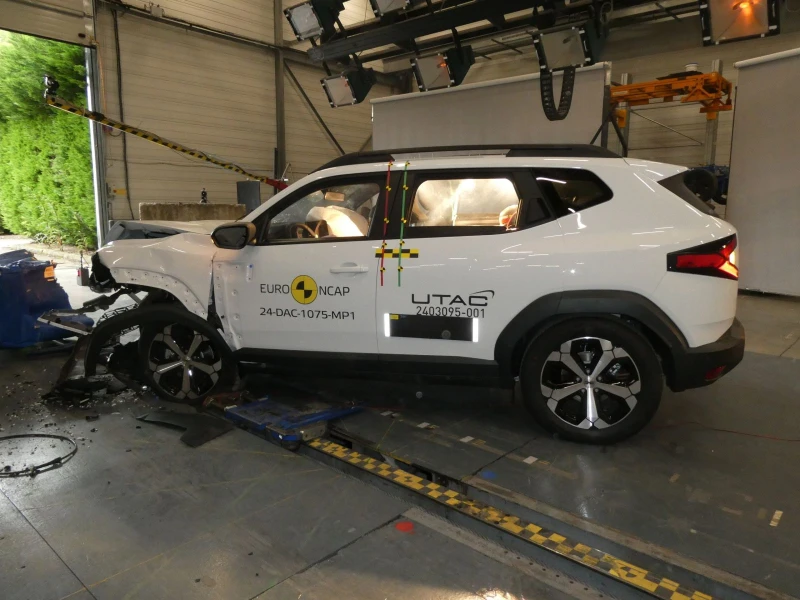
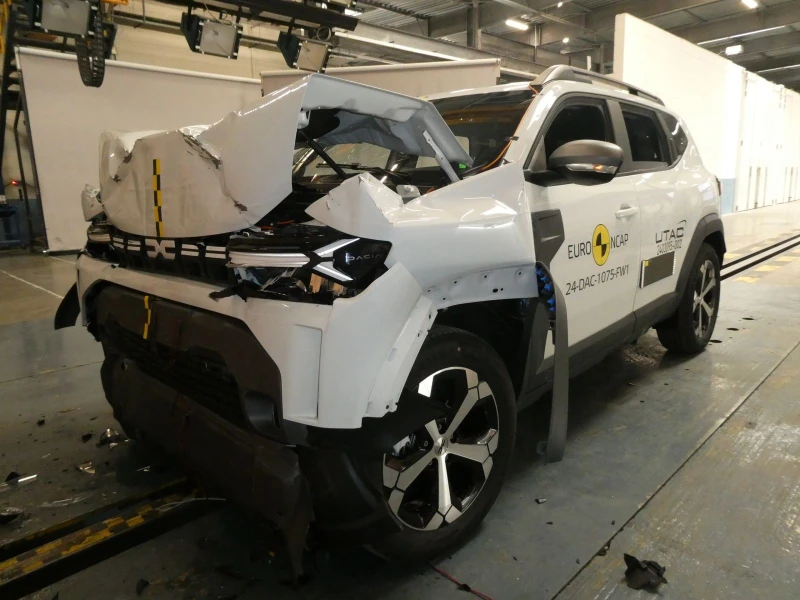
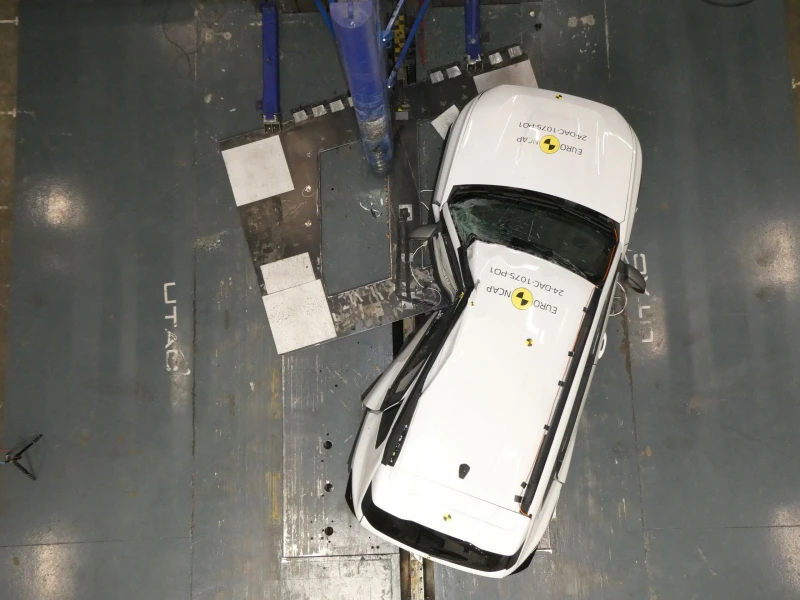
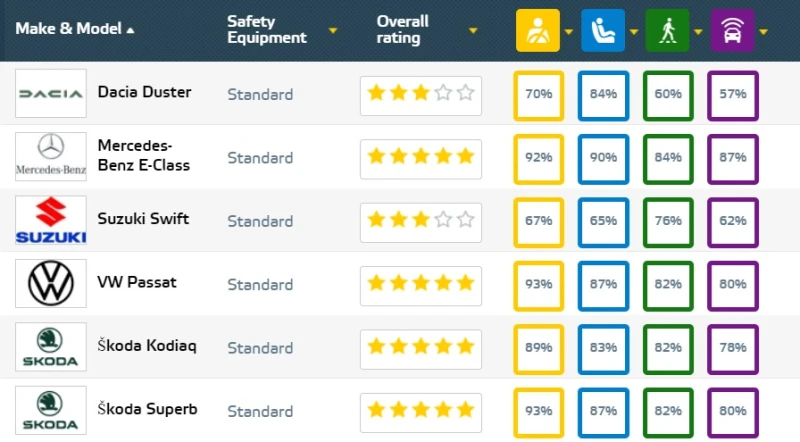
The Dacia Duster serves as a notable example. Despite earning a three-star rating, the model achieved a high level of child protection in crash scenarios. In certain test categories, it matched or approached the performance of more expensive five-star competitors.
Some manufacturers leverage the specifics of the Euro NCAP protocol for marketing purposes. Often, top-spec versions equipped with comprehensive assistance packages are submitted for testing, whereas base models come with far more limited features.
Why Manufacturers Question the Need for Assistance Systems
Modern driver assistance systems can reduce the risk of certain types of accidents. Nevertheless, many drivers and experts point out that these technologies do not always perform predictably.
Budget-oriented systems, in particular, face criticism for potentially misinterpreting road conditions, generating false alerts, or intervening in vehicle control without clear necessity.
For lower-priced vehicles, adding numerous electronic assistance systems involves a trade-off between cost and equipment levels. Manufacturers must balance keeping prices accessible against improving scores in independent evaluations.
Summary
The discussion surrounding Euro NCAP ratings illustrates how perceptions of automotive safety are evolving. The final rating now reflects not only structural integrity and occupant protection but also the availability of electronic assistance systems.
Dacia opts for simpler, more affordable vehicles and accepts correspondingly lower ratings. Real-world crash test data, however, indicate that even three-star models can deliver strong passive safety performance.