


The vehicle is developed on the Volkswagen Group MEB+ platform and is targeted primarily at the European market, where tightening environmental regulations and limitations on internal combustion engine vehicles are playing an increasingly important role. At the same time, alongside advanced technologies, buyers face several compromises concerning range, performance, and overall cost.
New Platform and Urban Format
The Epiq utilizes the revised MEB+ architecture, marking the first use of front-wheel drive in the group’s electric vehicle lineup. The model is mechanically similar to the upcoming Volkswagen ID.Polo, with the main differences lying in the body design, chassis calibration, and interior execution.
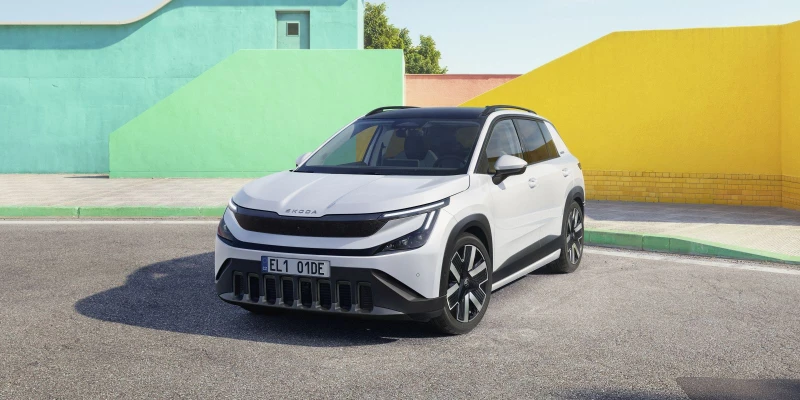
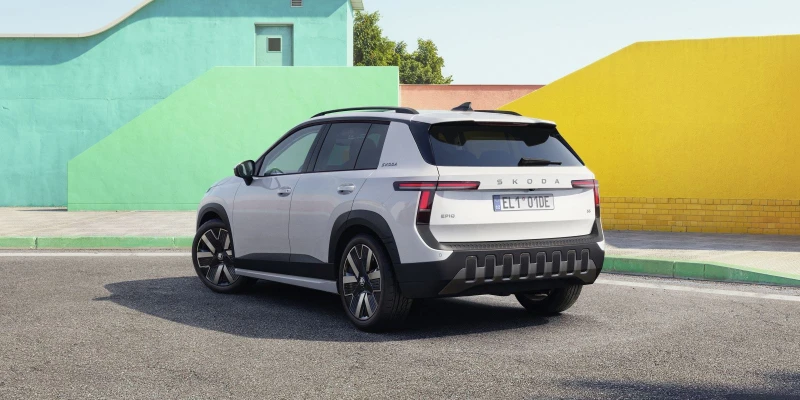
It features the brand’s Modern Solid design with a bold front end, raised body, and substantial decorative accents. The resulting appearance is distinctive, prompting varied reactions: some perceive it as modern and bold, while others find it excessively detailed.
At roughly 4.1 meters long, the Epiq is positioned as a compact urban crossover. The focus is on its space-efficient dimensions, energy efficiency, and suitability for dense city traffic.
Entry-Level Version: Modest Power and Battery Capacity
The base Epiq is powered by a 115 hp electric motor. With a curb weight of approximately 1.55 tonnes, it reaches 100 km/h from a standstill in about 11 seconds and has a top speed of 150 km/h.
The defining element of this version is the 37.5 kWh battery. This is a relatively small pack for a crossover by today’s standards. The manufacturer quotes a range of around 310 km, but real-world figures — especially during highway travel or in low temperatures — are likely to be lower.
DC fast charging from 10% to 80% takes approximately 33 minutes. This duration is reasonable for urban duty cycles but extends total travel time noticeably on longer journeys.
More Powerful Lineup Options
An Epiq 40 variant with 135 hp output is scheduled to follow. The extra power delivers a slight improvement in acceleration performance, while range stays nearly identical.
The volume seller at launch is expected to be the Epiq 55, fitted with a 51.5 kWh battery and 211 hp motor. It accelerates to 100 km/h in roughly 7.1 seconds and reaches a top speed of 160 km/h.
Its official range is rated at up to 440 km, though highway use typically reduces this figure considerably. Even with these upgrades, the price of the Epiq 55 approaches the equivalent of about 38,000 euros.
Practicality and Cabin Design
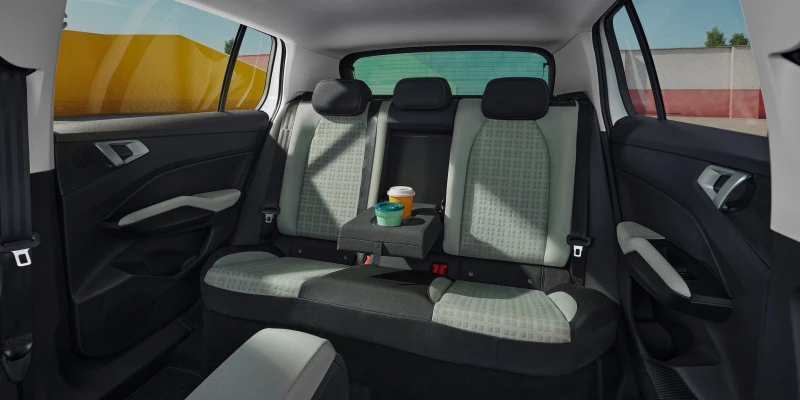
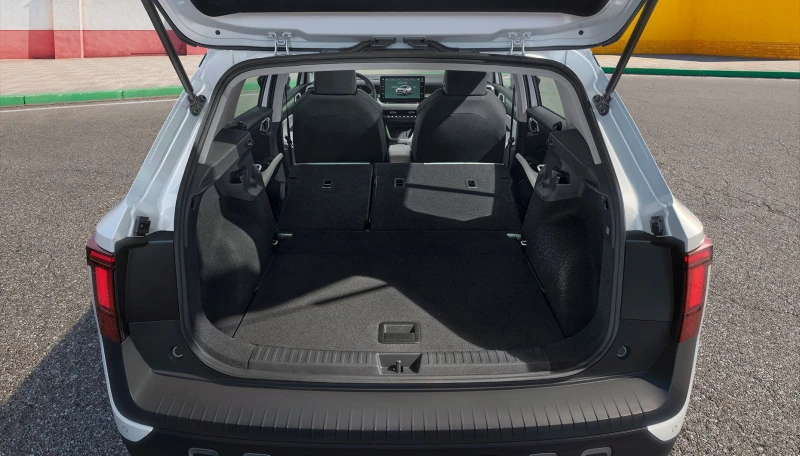
Trunk capacity measures 475 liters, with an additional 25-liter frunk available for charging equipment and minor items.
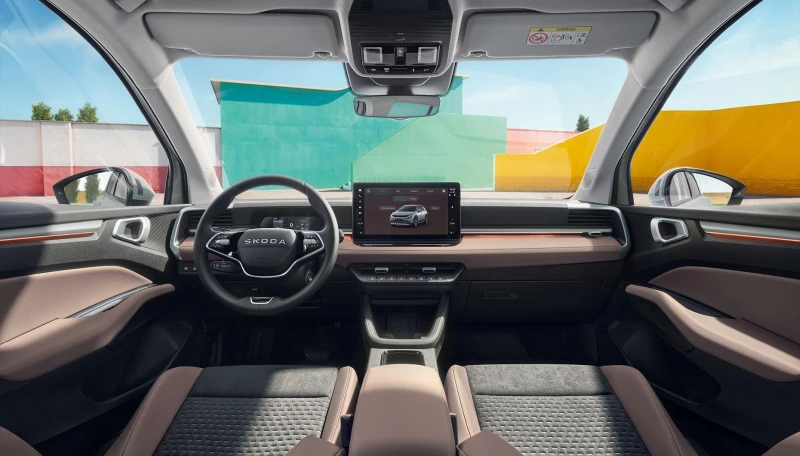
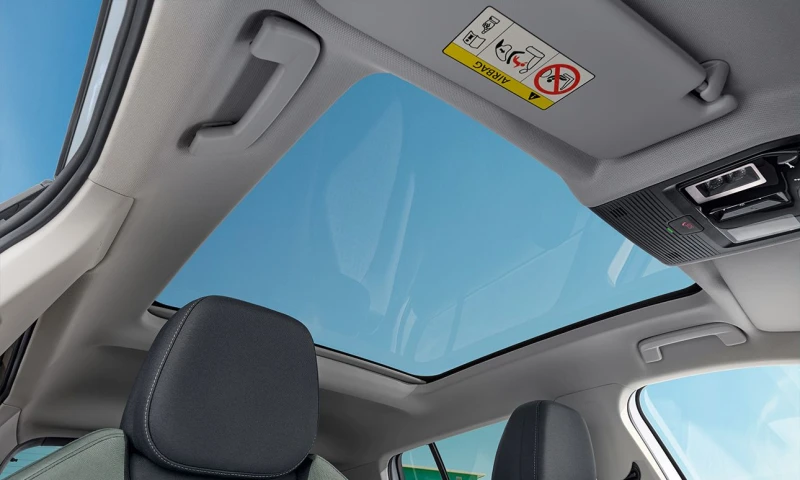
The interior adopts a clean, minimalist aesthetic. A selection of physical controls is retained for essential functions to maintain ease of use. The dashboard centers on a large 13-inch touchscreen.
Cost optimization is a clear priority in the cabin materials and construction. This results in the use of many basic trim elements, which stand out given the vehicle’s elevated price positioning.
Competition from Within Škoda’s Portfolio
A central question for buyers is how the price aligns with the capabilities offered. For a similar investment to a well-specified Epiq, Škoda’s range includes larger, more versatile gasoline models that may appeal to different priorities.
- Gasoline station wagons deliver longer range without intermediate refueling;
- conventional powertrains enable faster top-ups of energy reserves;
- trunk capacity and day-to-day versatility are generally superior;
- higher maximum speeds and long-haul touring credentials remain more familiar.
The Epiq, meanwhile, is aimed mainly at urban environments, shorter commutes, and markets with rigorous emissions rules, where electric vehicles frequently enjoy tax benefits and operational perks.
Final Assessment
The Škoda Epiq illustrates the current path of European car manufacturing, in which compact electric crossovers are gaining importance within brand lineups. It provides a modern technical foundation, a useful body style, and contemporary equipment. Nevertheless, the modest range of the base versions and the high price point could prove decisive for many customers.
It is conceived first and foremost for city driving and territories where EV uptake is bolstered by government policies. Buyers seeking maximum range and all-around flexibility may still find traditional internal combustion engine models the more practical selection at present.