


This is particularly true for German brands, which have long been regarded as the benchmark for engineering precision and durability. Mechanics, experts, and owners themselves note that vehicles from past years often demonstrate a higher level of reliability than current models. Analyzing key models from Audi, BMW, Mercedes-Benz, Volkswagen, and Porsche helps to understand the reasons for this phenomenon and identify the most successful generations of cars.
Transitional Period in the Automotive Industry
The automotive industry has undergone significant changes over the last decade. Stricter environmental regulations, the development of electric vehicles, and the introduction of new electronic systems have required substantial investments. As a result, manufacturers have had to reallocate resources, leading to reduced spending on traditional development areas. At the same time, the cycles for creating new models have accelerated, sometimes negatively affecting testing and refinement processes.
Experts observe that cars produced approximately until 2019 more often exhibit a balanced combination of reliability, build quality, and technical maturity. Later models incorporate complex electronic systems and new architectures but do not always maintain the previous level of durability.
Volkswagen Golf VII — An Example of Successful Balance
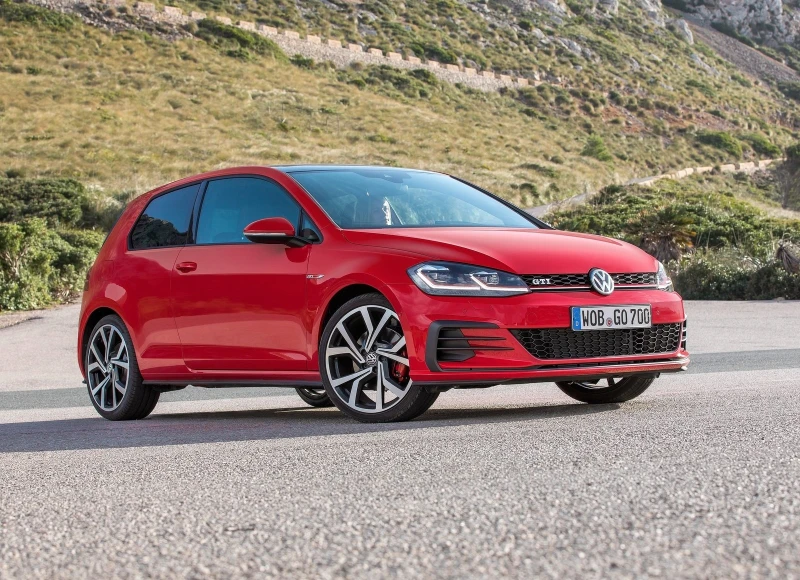
One of Volkswagen's most successful cars is the seventh-generation Golf, produced from 2012 to 2019. This model combined modern design, thoughtful ergonomics, and reliable technical solutions. The construction was thoroughly developed, and the materials used ensured good durability.
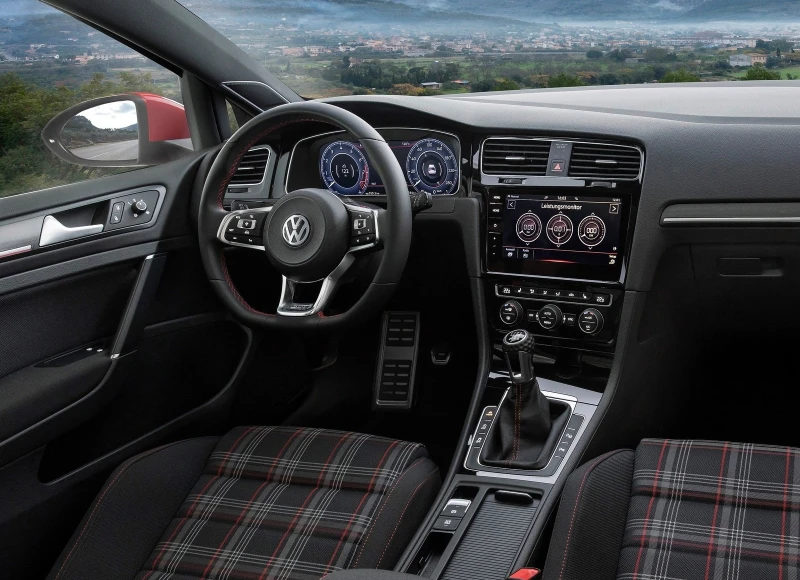
The subsequent generation introduced more complex digital control systems, but some structural elements were simplified, drawing criticism from owners and specialists. As a result, the Golf VII is often cited as one of the most successful versions of the model.
BMW 3 Series and the Evolution of Engineering Approach
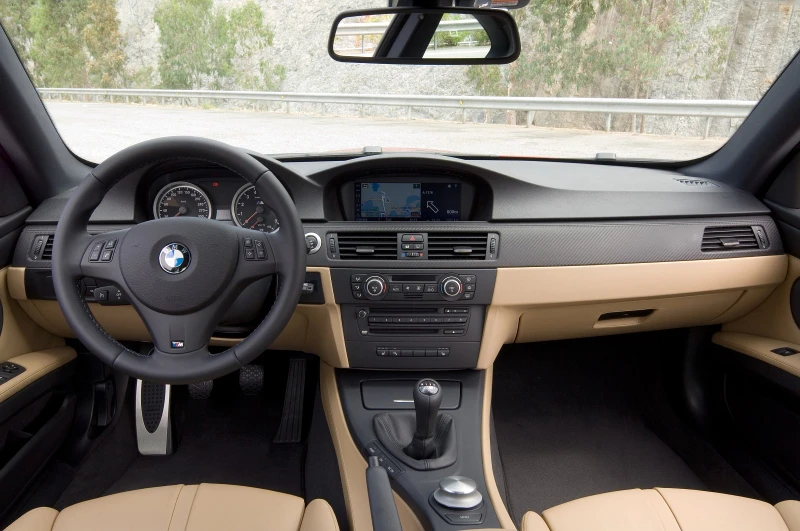
Among BMW cars, the 3 Series E90 generation, produced from 2004 to 2013, deserves special attention. This car featured a robust construction, good handling, and a wide range of engines. The model gained recognition for its combination of reliability and dynamic performance.
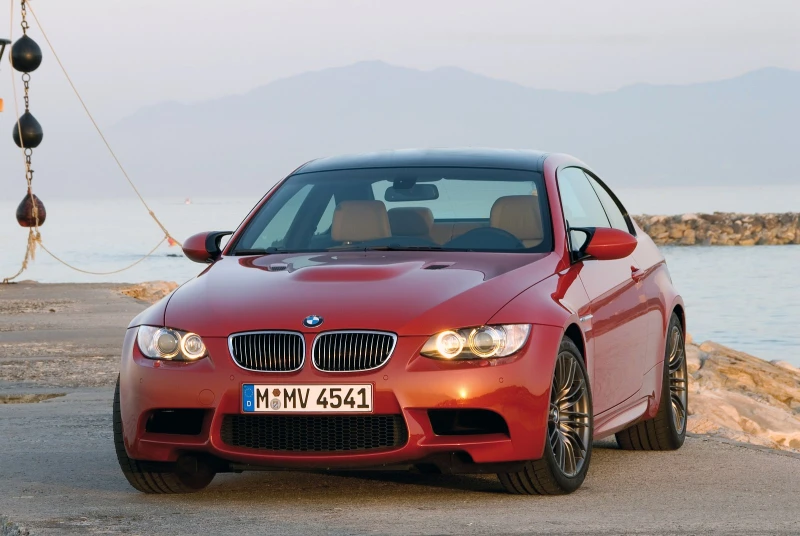
The later F30 generation continued the model's development, but changes in construction aimed at reducing weight and increasing efficiency had already begun. More modern versions incorporated even more electronic systems, complicating maintenance and raising requirements for the vehicle's technical condition.
Audi and Focus on Interior Quality
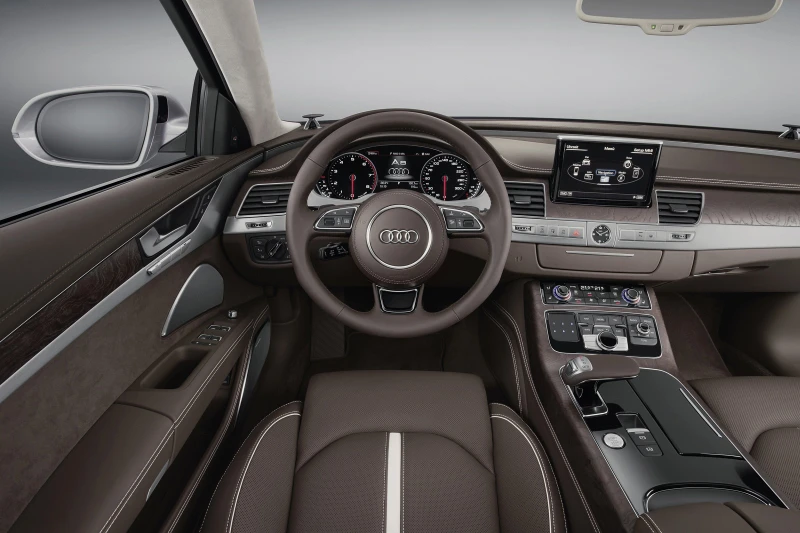
The flagship Audi A8 D4 generation, produced from 2010 to 2017, is considered one of the most successful in the brand's history. Particular attention was paid to material quality and comfort level. The interior featured thoughtful ergonomics and a high level of assembly, allowing the model to remain relevant even after years of operation.
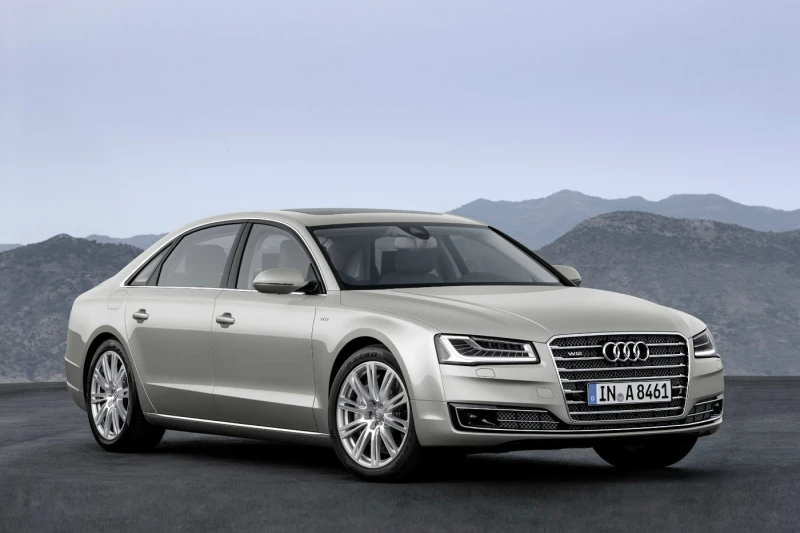
The car was equipped with various engines, including 3-liter diesel units, which were distinguished by high endurance and efficiency. These characteristics made the model popular among owners who value reliability.
Mercedes-Benz and Traditions of Durability
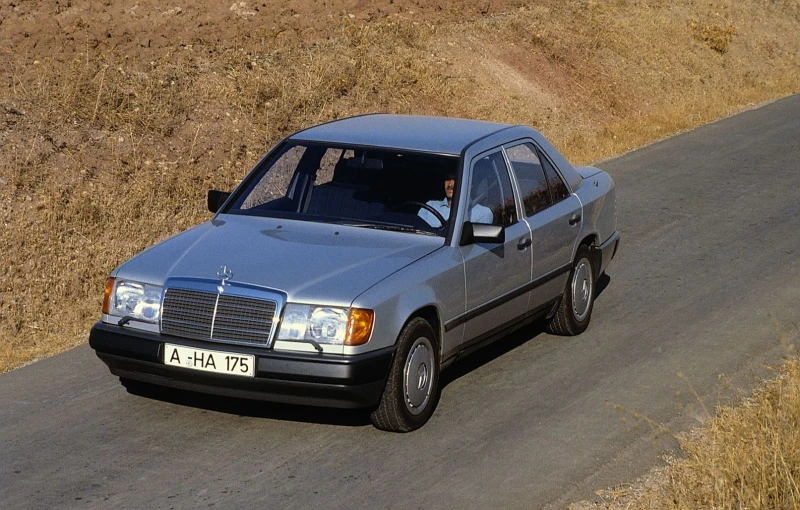
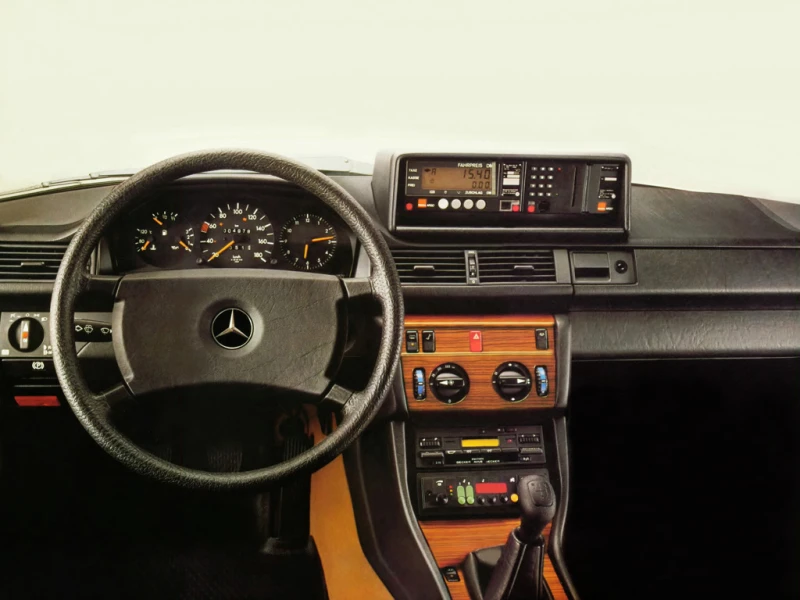
Mercedes-Benz is known for its reliable cars, especially models from past decades. One symbol of quality is the E-Class W124 generation, produced from the late 1980s. These cars featured robust construction and could cover hundreds of thousands of kilometers without major issues.
The flagship S-Class W140 generation also became an example of engineering excellence. The car's development took longer than planned because the manufacturer aimed to ensure maximum quality and reliability. As a result, the model earned a high reputation and was long considered one of the most reliable in its segment.
Porsche 911 as an Example of Consistent Quality
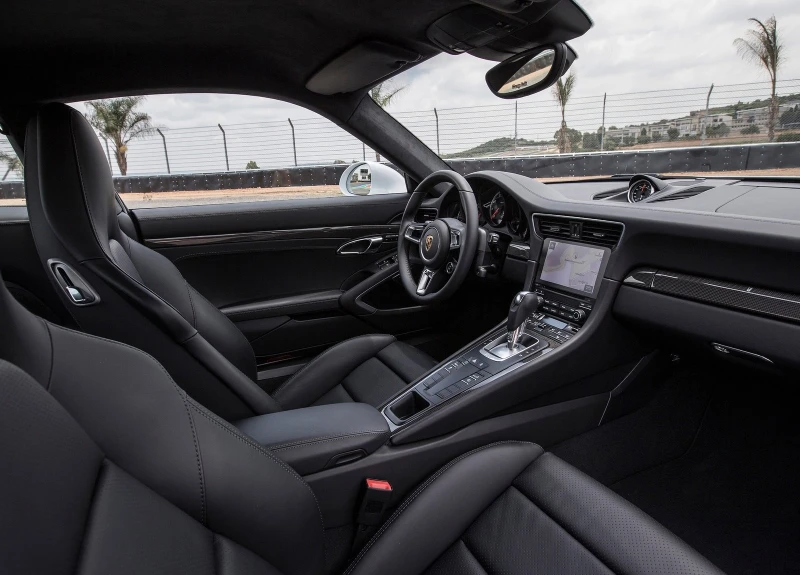
The Porsche 911 traditionally holds high positions in reliability ratings. Generations 997 and 991, produced from 2009 to 2019, are particularly highly rated. These cars combined modern technologies with proven engineering solutions, maintaining a balance between performance and reliability.
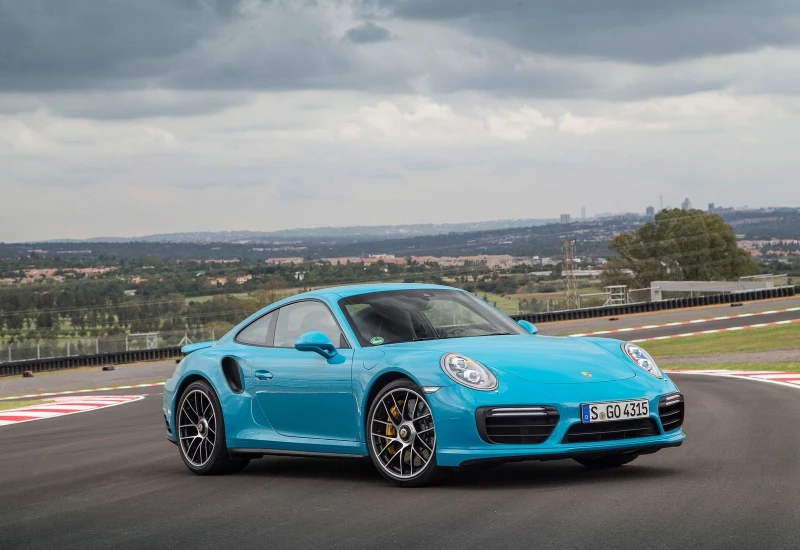
The model was distinguished by precise handling, efficient engines, and quality assembly. This is why cars from these generations continue to enjoy high demand in the secondary market.
Reasons for Changes in Modern Automotive Manufacturing
The decline in reliability of modern cars can be explained by several factors:
- accelerated development timelines for new models;
- increased share of electronic systems;
- transition to new environmental standards;
- optimization of production costs;
- active development of electric technologies.
All these changes have influenced the overall approach to car creation and shifted manufacturers' priorities.
Conclusions
German-brand cars produced until the end of the 2010s are often considered the most successful in terms of reliability and quality. Models from this period combined proven technical solutions, high assembly levels, and thoughtful construction. Modern cars offer new technologies and improved efficiency, but their durability largely depends on the complexity of the systems used and operating conditions. Analyzing past generations helps to better understand the evolution of the automotive industry and the reasons for changes in car creation approaches.