In recent years, Audi has made several adjustments to its product strategy, revising plans and extending timelines, which has led to discussions regarding its strategic direction.
Changes to Plans for ICE Phase-Out
Several years ago, Audi stated that it would cease development of new gasoline and diesel models and discontinue their sales by 2033. Recently, however, the company indicated that these vehicles would continue to be offered for another 7–10 years. This effectively extends their availability to around 2032–2033, representing a limited change from the original plan.
Importantly, more than 90% of Audi customers continue to choose vehicles with internal combustion engines. The company nonetheless maintains that electric vehicles are the only path forward.
Electric Vehicles: Results of the Electrification Strategy
After significant investment in electric propulsion, global sales of electric vehicles fell by 7.8% last year to 164,000 units. This figure represents less than 10% of the brand's overall sales.
Electric vehicles are regarded as part of the industry's future. However, the pace of adoption remains gradual, shaped by charging infrastructure, vehicle pricing (often exceeding €50,000–70,000), and consumer habits.
Leadership Statements Spark Debate
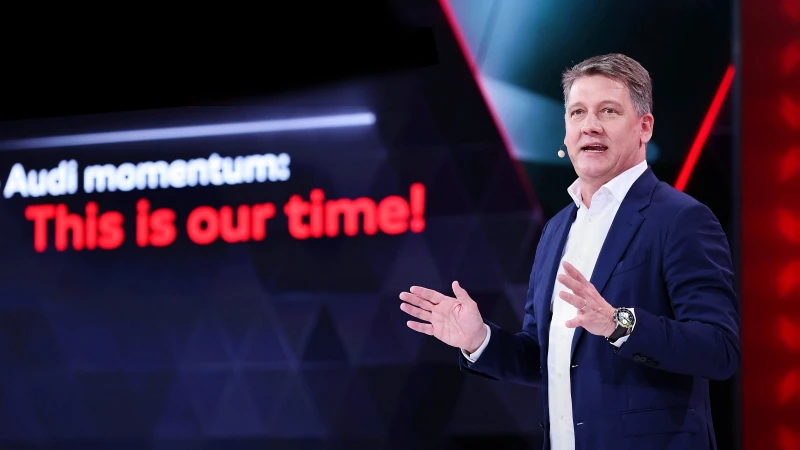
In a recent interview, Audi CEO Gernot Döllner reaffirmed his support for future bans on the sale of internal combustion engine vehicles and described attempts to reconsider such bans as counterproductive. The comments have prompted discussion within the automotive sector.
Similar perspectives appear to prevail within the Volkswagen Group, Audi's parent company, suggesting that significant changes are not imminent.
Why This Matters
These developments illustrate the challenges for premium automakers in aligning long-term objectives with current market demands. Customers seek vehicles that are convenient, familiar, and accessible. Although electric vehicles appeal to many, the mass market is not yet prepared for complete transition.
Strategic Considerations
- Strategic Transparency. Clearly communicating timelines and maintaining flexibility regarding powertrain options.
- Portfolio Diversity. Providing both electric and internal combustion engine models to accommodate varying customer needs.
- Pricing Strategy. Positioning electric vehicles at price points that support broader adoption.
Audi has built its reputation over decades on driving enjoyment and engineering excellence. The current focus of industry discussion often centers on how the brand communicates its strategy and responds to market feedback. Other manufacturers such as Mercedes and BMW appear to be adopting more flexible approaches. The extent to which customers will align with Audi's direction remains to be seen.