



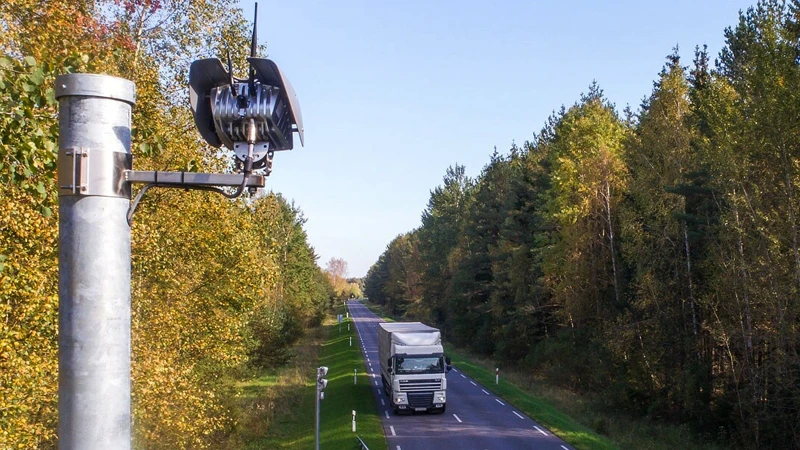
However, even typically calm societies can respond strongly when they feel measures are unfair. This year, Toronto residents have shown this with more than 800 reported cases of damage to stationary speed cameras in nine months. In a country known for preferring peaceful protest methods, this level of activity is notable.
Why Residents Have Taken Action
The cameras were introduced to improve road safety in areas with high pedestrian, children, or elderly traffic. In practice, many have been installed on low-risk highways or four-lane roads. This has led to fines for minor speed violations of 5–10 km/h that have limited safety impact but provide consistent revenue.
Many drivers now view these cameras primarily as revenue collection tools rather than safety devices. This shift appears to have been a turning point.
Political Response
The issue has drawn political attention. Ontario Premier Doug Ford has stated that the cameras are more about revenue than safety and has called for their removal, calling the system unfair. His position reflects broader discussions.
Law enforcement has had limited success in identifying those responsible. Despite surveillance, few arrests have been made. Public sentiment toward the individuals involved tends to be understanding.
A Global Pattern
Similar actions against speed cameras have occurred elsewhere. In Britain, damaging cameras is a recurring issue. Italy had the case of 'Fleximan'. Ukraine had the 'Crum Patch Team'. Canada's situation is notable for the scale, with hundreds of devices affected in a year.
Key Statistics
- More than 800 incidents of speed camera damage were recorded in Toronto over nine months.
- 16 cameras were damaged in one week.
- Some cameras have been disabled repeatedly, with one out of service seven times in a year.
These figures are official only. Other methods of interference likely occur as well.
Revenue vs Safety
The central criticism is that camera placement is often based on revenue potential rather than actual safety needs. High-risk areas where drivers already slow down generate less income, while straight roads produce more fines. Financial considerations can thus outweigh safety priorities.
While the idea of speed enforcement is valid, when it operates primarily as a revenue mechanism it generates public dissatisfaction.
Looking Ahead
The future of these cameras is uncertain. With the premier advocating for their removal, official action is possible. The question is whether formal decisions or continued actions by drivers will resolve the issue first.
Traffic enforcement technologies work best when aligned with genuine safety goals rather than revenue generation. Public responses serve as a reminder when this balance is lost.