Porsche has confirmed that its future flagship model — a large SUV bigger than the Cayenne — will be offered exclusively with gasoline engines.
Challenges in Electrification Plans
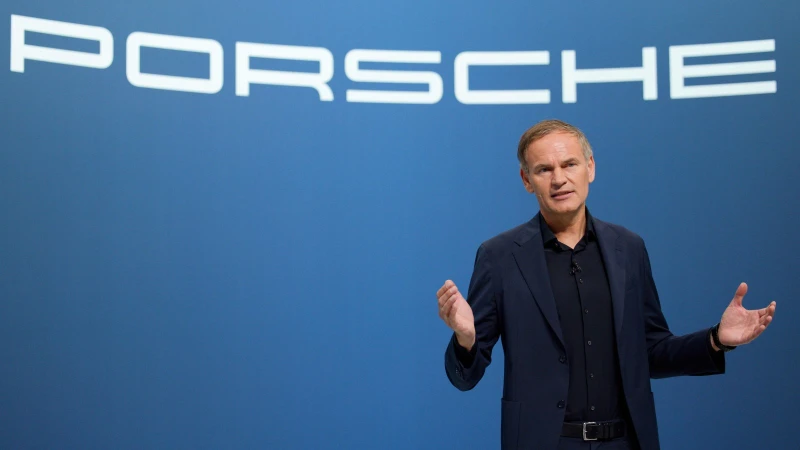
Following Oliver Blume's appointment to head the Volkswagen Group, Porsche accelerated its electrification efforts. However, customer demand for electric variants has not reached projected levels.
The company now anticipates significantly lower profitability. Margins are expected to fall to a maximum of 2% in 2025 and could turn negative. This would translate to losses of more than 5 billion euros for the Group and around 1.5 billion euros for the Porsche brand, linked to delays in EV projects and a strategic shift toward internal combustion engines and hybrids.
Gasoline-Only Flagship SUV
The new flagship SUV will be equipped solely with gasoline engines — no hybrid or battery-electric versions are planned. This is uncommon in the current industry landscape where electrification is prevalent even among performance vehicles.
Porsche had actively promoted electric models such as the Macan Electric.
Outlook for the Model Range
The Volkswagen Group has framed these changes as a reorganization to match current market realities. Plans for other models may be revised, with increased attention on hybrid powertrains, while some fully electric initiatives could be delayed or reconsidered.
Porsche shares have declined substantially in recent years.
Comparative Note
Toyota has pursued a strategy centered on hybrid powertrains alongside compliance measures for conventional engines. This approach has provided stability amid evolving market demands.
Summary
These developments illustrate the difficulties premium brands encounter when aligning ambitious electrification targets with market response and financial performance. The powertrain choice for the new flagship SUV reflects an adjustment based on current conditions.