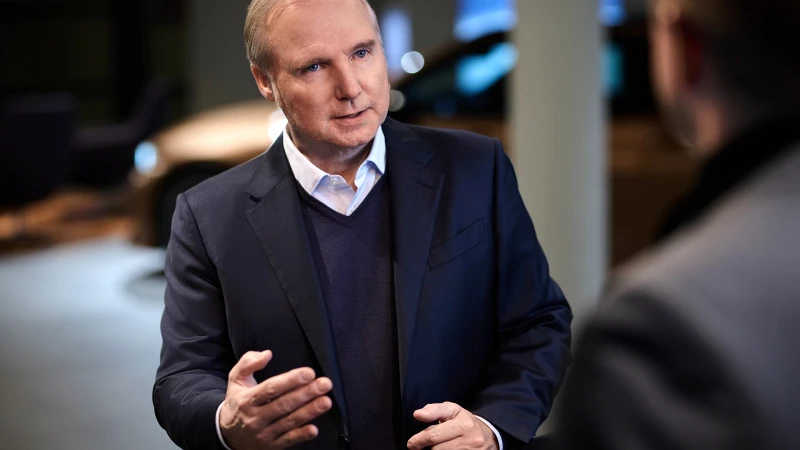
BMW is charting its own course in the ongoing transition of the automotive industry. The manufacturer has affirmed that internal combustion engines will remain part of its long-term lineup. This position was expressed by Jochen Goller, the executive responsible for sales and brand strategy.
“They Will Never Disappear”
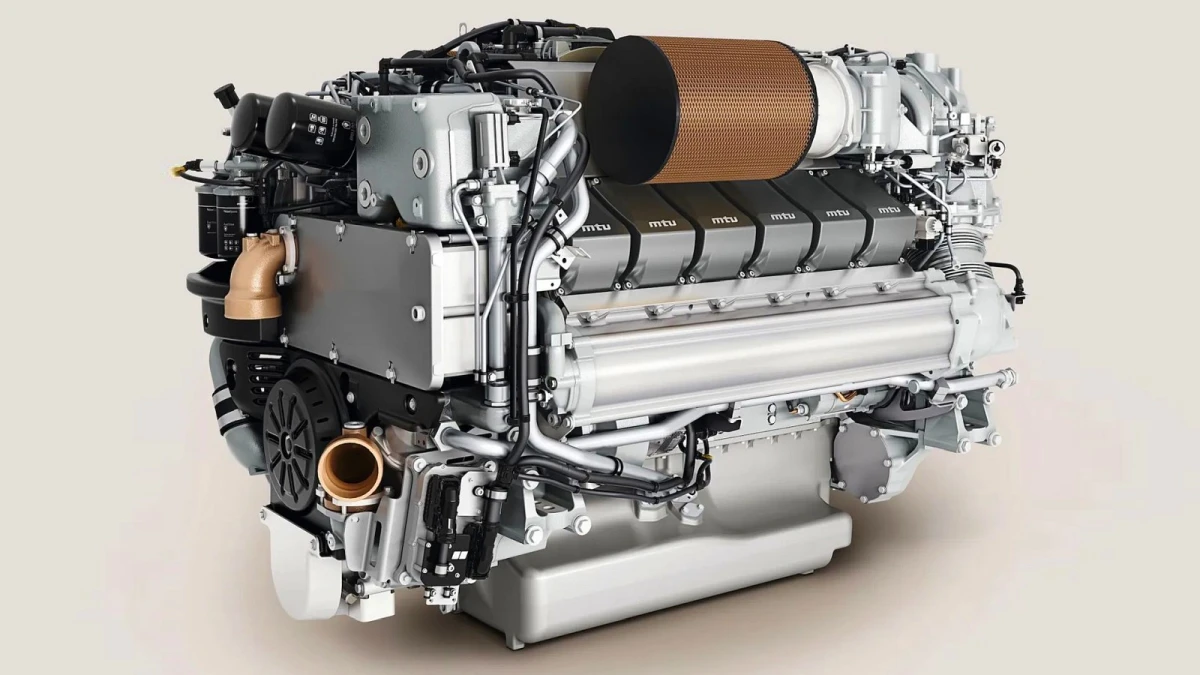
The statement was delivered in an interview with the Indian publication Autocar and was unequivocal: “Combustion engines will never disappear. Never.” Such directness is uncommon in an industry often characterized by cautious navigation between regulation and market demands. Goller indicated that BMW does not support a solely electric future.
This reflects the company’s strategic outlook. Gasoline and diesel vehicles continue to meet demand in various global markets, and BMW is positioning itself accordingly.
The Three-Path Strategy
BMW intends to offer vehicles in three primary categories:
- purely electric models,
- traditional gasoline and diesel versions,
- hybrids along with alternative options such as hydrogen vehicles.
Through flexible vehicle platforms, the same body styles can support different power sources. This method optimizes development expenses and provides customers with meaningful choice.
Approach Unlike Competitors
Unlike Mercedes-Benz and Porsche, which have developed distinct platforms for electric and combustion-engine models, BMW is applying a consistent design language regardless of powertrain. This enables customers to select their preferred technology without changing the vehicle’s appearance.
Environmental Aspects
The industry’s push toward zero emissions faces practical challenges. Regulations such as Euro 7 set demanding standards for internal combustion engines. Electric vehicles, meanwhile, involve substantial environmental costs in battery production and depend on the source of electricity generation in different countries.
BMW’s strategy of maintaining multiple pathways may represent a more realistic response to these issues.
Pricing and Relevance
BMW electric vehicles like the i4 and iX generally start at 55,000 to 70,000 euros. Gasoline versions of comparable models typically begin from 40,000 to 45,000 euros. This differential sustains the appeal of internal combustion engines in numerous markets, including Eastern Europe, the Middle East, and parts of Asia.
The remarks emphasize the value of powertrain diversity in addressing varied consumer requirements and driving conditions around the world.