


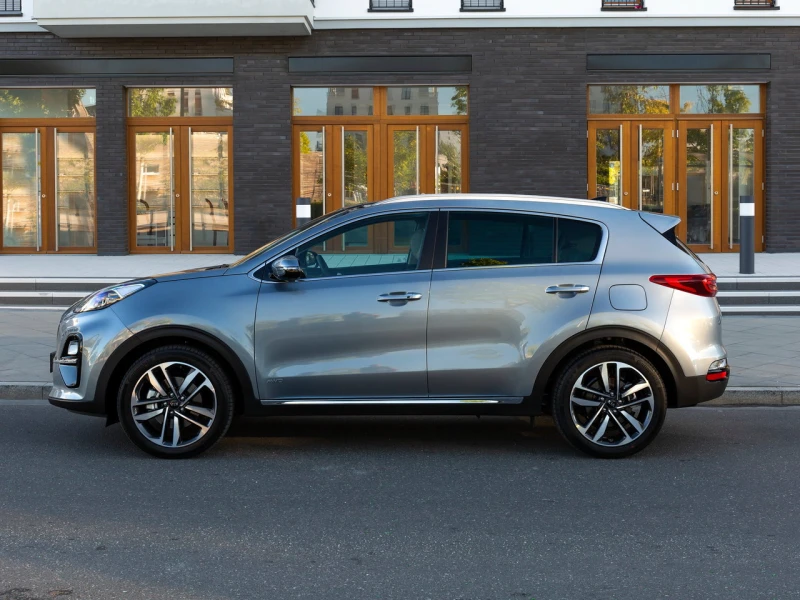
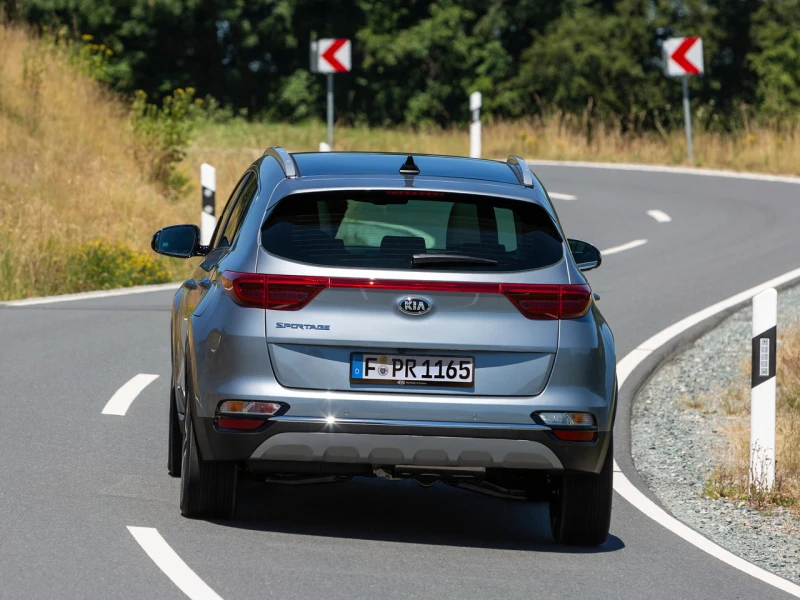
However, like any model, it has its drawbacks, particularly noticeable in the used market. This article dives into the Kia Sportage issues and problems owners face, plus essential tips for what to look for when buying a used Kia Sportage. For a full overview of the generation, specs, and interior, check out our other reviews in the series.
Key Drawbacks of the Generation
Despite its strong popularity, Kia Sportage 2017–2021 problems often stem from design features, driving conditions, and maintenance history. Here are the main issues reported by owners and experts based on reviews and data from U.S. platforms like Carfax and forums:
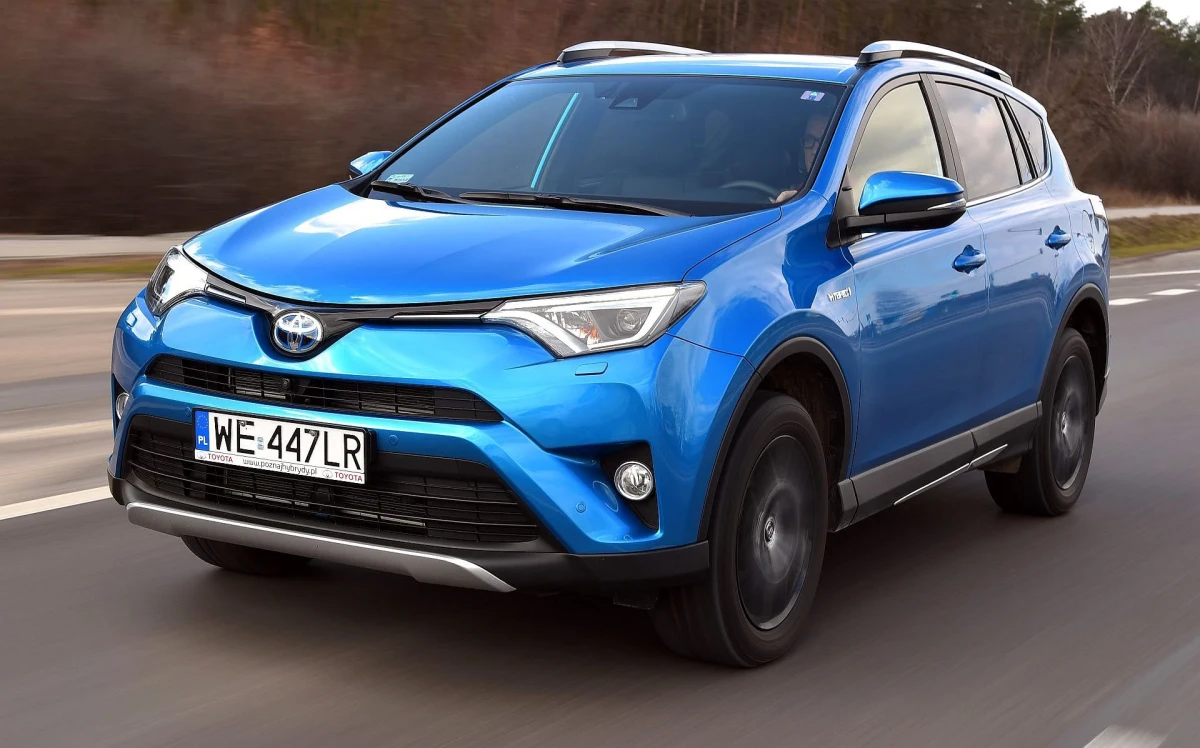
- Poor noise insulation: Pre-facelift models (2017–2018) get complaints about tire and engine noise at speeds over 60 mph (noise levels around 68–70 dB). Post-2018 facelift improved it, but it still lags behind rivals like the Toyota RAV4.
- Fuel economy: The 2.4L naturally aspirated engine (181 hp) averages 20–23 mpg combined, which is about average for the class but higher in city driving. The 2.0L turbo (up to 240 hp) is thirstier at 19–22 mpg.
- Outdated infotainment: Base trims come with a 7-inch screen that's slow and dated. Even the facelift 8-inch unit feels old by 2025 standards, with laggy navigation.
- Rust risks: On used examples, especially in regions with salted winter roads, watch for corrosion on the underbody, seams, and wheel arches.
- Interior wear: Cloth upholstery in lower trims shows wear by 50,000–80,000 miles, and faux leather can crack. Glossy plastics scratch easily.
- Expensive turbo repairs: For 2.0T models, turbocharger wear can hit by 100,000–150,000 miles, with repairs costing $800–$1,500.
- DCT transmission concerns: The 6-speed dual-clutch (in some turbo models) can overheat in traffic; clutch replacement often needed by 80,000 miles (around $800–$1,200).
Trim Levels and Years: What to Watch Closely
Issues with the Kia Sportage fourth generation vary by year and configuration. Early pre-facelift models (2017–2018) tend to have more complaints than the updated 2019–2021 versions. Key points:
- 2017–2018 (pre-facelift): More noise complaints (especially wheel arches), basic infotainment (7-inch screen), and stiffer ride on rough roads. The 6-speed auto can hesitate. These years need extra scrutiny, especially high-mileage examples.
- 2019–2021 (facelift): Better noise insulation, upgraded 8-inch screen with Apple CarPlay/Android Auto standard, softer suspension. Still, DCT-equipped turbo models remain a risk area.
- Engines: The 2.4L naturally aspirated is the most reliable and common. The 2.0T offers more power but higher maintenance costs. Use premium unleaded for best performance.
Pre-facelift years warrant caution, especially with turbo/DCT combos. Facelifted models are generally preferable with fewer issues and lower wear.
Used Market in the United States
The used Kia Sportage market is robust, with thousands of listings nationwide on sites like Cars.com and Autotrader. Approximate market prices for the United States (as of late 2025):
- Body condition: In salt-belt states, salted highways accelerate rust. Inspect underbody, rockers, seams, and arches thoroughly. Undercoating helps extend life.
- Service history: Many aren't dealer-serviced, impacting longevity. Request records and verify maintenance (oil changes every 7,500 miles recommended).
- Actual mileage: Odometer tampering occurs; average used mileage is 50,000–100,000 miles. Verify via CARFAX and diagnostics.
- Genuine parts: Parts are widely available, but OEM turbo or transmission components are pricey. Quality aftermarket options exist.
- Trim authenticity: Some sellers misrepresent base as higher trims. Confirm features like panoramic roof or leather.
AWD models with the 2.4L engine are popular for versatility and reliability.
Maintenance and Repair Budget
Many Kia Sportage fourth generation drawbacks can be addressed to keep it in top shape. Here are common fixes and approximate costs (U.S. market, late 2025):
- Noise insulation: Aftermarket upgrades to arches and doors: $300–$600. Noticeable reduction on highways.
- Infotainment: Aftermarket head unit with CarPlay: $400–$700.
- Rust prevention: Undercoating and treatment: $200–$400. Spot repairs: $150–$500 per area.
- Interior: Seat reupholstery: $300–$600; deep cleaning: $100–$200.
- Routine service: Oil and filters: $80–$120 every 7,500 miles. Suspension components: $300–$500 every 80,000 miles.
- Turbo system: Turbo replacement (2.0T): $1,000–$1,800.
- DCT transmission: Clutch pack: $800–$1,500; full rebuild: $2,000–$3,500.
Orientative market price for the United States: For a solid example (50,000–100,000 miles, facelift), expect $12,000–$20,000. Budget $600–$1,200 for initial fixes and first-year maintenance, depending on condition.
Conclusions and Recommendations
The Kia Sportage fourth generation remains a smart used buy in 2025, especially for those seeking a feature-packed compact SUV in the $12,000–$20,000 range. It's reliable overall, holds value well, and handles everyday driving comfortably—but a thorough inspection is key due to potential rust, turbo, or DCT issues.
Is it worth buying? Yes, particularly facelifted 2019–2021 models with the 2.4L engine and 6-speed automatic. These offer the best balance of reliability, efficiency, and resale value. AWD is great for variable weather.
Versions to approach cautiously? Pre-facelift 2017–2018 with 2.0T and DCT due to transmission risks. Avoid examples with unclear history or signs of heavy use.
Key checks during inspection and test drive:
- Inspect body for rust (underbody, arches, seams).
- Get engine and transmission diagnosed, especially turbo/DCT.
- Test noise levels at 60–80 mph.
- Verify mileage via CARFAX and interior wear.
- Confirm service records.
Kia Sportage 2017–2021 problems aren't deal-breakers if you pick a well-maintained example with clean history. Facelifted 2.4L models are the sweet spot, delivering years of dependable service with proper care.