Produced from 2016 to 2022, this generation became a bestseller thanks to its spacious interior, proven reliability, and advanced features, though it wasn't without its weak points. In this article, we'll cover the key issues, year-specific differences, US market insights, and buying tips. For a full review of specs, features, and interior, check out our other articles in the series.
Key Drawbacks of the Generation
2017–2022 Honda CR-V problems primarily revolve around the engine, transmission, and electronics, but overall, the model remains one of the more dependable compact SUVs. Here are the most common complaints from owners:
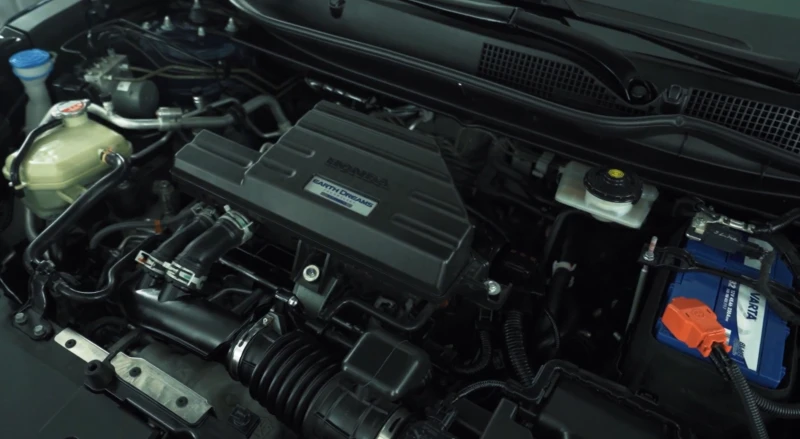
- Fuel dilution in oil (oil dilution): Particularly in the turbocharged 1.5T engine – gasoline can mix into the oil during cold starts and short trips, raising the oil level and reducing lubrication. This can cause a gasoline smell, Check Engine light, and potential engine wear.
- CVT transmission issues: The CVT can feel jerky or overheat in stop-and-go traffic, leading to shuddering during acceleration. Repairs can be costly.
- Electrical and battery problems: Battery drain (2017–2019 models), climate control glitches (warm air instead of hot), and infotainment lag.
- Rust: The body is generally resistant, but road salt in northern states can cause corrosion on rocker panels, wheel arches, and seams. Imported or poorly protected vehicles are more prone.
- Road noise: Pre-facelift models have noticeable tire and engine noise above 60 mph, especially on rough pavement.
- Fuel economy: The 1.5T averages 25–28 mpg combined in real-world driving, sometimes higher than EPA estimates depending on conditions and premium fuel use.
- Parts and service: Genuine Honda parts (turbo, CVT) can be expensive, though aftermarket options are available. Dealer service costs are higher than some competitors like Toyota.
Despite these, the CR-V V earns strong reliability scores (4–5 stars from Consumer Reports), though early years warrant extra caution.
Versions and Years: What to Watch For
Honda CR-V fifth-generation issues vary by year: early models (2017–2018) have more reports, while later facelift versions (2020–2022) benefited from updates.
- 2017–2018: Peak oil dilution complaints in the 1.5T (common on sites like CarComplaints.com). Quick battery drain, CVT judder from initial calibration. Poor noise insulation, occasional Honda Sensing glitches. Avoid unless service bulletins/recalls have been addressed.
- 2019: Oil dilution less frequent but still possible. Improved software and turbo updates. Fewer electrical issues, though fuel economy can dip in cold weather.
- Facelift 2020–2022: Hybrid 2.0 i-MMD largely avoids engine issues (real-world 35–40 mpg). Better sound insulation, more stable Honda Sensing. Rare CVT complaints, though hybrids may see battery concerns after 100,000 miles.
Early 2017–2018 1.5T models need thorough checks for recall history. Facelift and hybrid versions are generally more reliable.
Used Car Market in the United States
Used Honda CR-V remains a top-selling compact SUV: thousands of listings nationwide on sites like Cars.com and Autotrader. Approximate market prices for the United States (as of late 2025):
Oriented market price range for the United States:
- 2017–2018 models with 150,000–200,000 miles: $14,000–$18,000
- Facelift 2020–2022 with under 100,000 miles: $22,000–$28,000
Market specifics:
- Body condition: Road salt in snowy states accelerates rust on rockers and arches. Check paint thickness and underbody protection.
- Service history: Many are former fleet vehicles. Insist on full Honda records or independent shop receipts. Lack of history raises risks like unresolved oil dilution.
- Actual mileage: Odometer tampering occurs. Verify via VIN check (Carfax, AutoCheck) and physical wear.
- Genuine parts: Post-accident repairs may use aftermarket (headlights, bumpers). Inspect panel gaps and markings.
- Options and trims: EX/Touring with AWD are popular; verify features during test drive.
Plenty of choices, but pristine examples with completed recalls command a premium.
Maintenance and Repair Budget
Most CR-V issues are fixable, though some require investment. Approximate costs in the United States:
- Oil dilution: Software update – often free under extended warranty/recall. Frequent oil changes – $100–$200. Rare engine replacement – high cost.
- CVT: Fluid change – $200–$400 every 60,000 miles. Repair – $2,000–$5,000. Software flash – $200–$500.
- Electronics: Battery replacement – $200–$400. Climate diagnostics/repair – $500–$2,000.
- Rust: Undercoating – $500–$1,000. Rocker panel repaint – $1,000–$2,000.
- Noise insulation: Aftermarket upgrades – $1,000–$2,500 (arches, doors).
- Routine parts: Filters/brakes – $300–$600. Turbo (1.5T) – $2,000–$4,000.
For well-maintained examples (100,000–150,000 miles), expect $2,000–$5,000 annually for maintenance/repairs. Solid buys range $20,000–$26,000; those needing work $15,000–$18,000.
Conclusion and Recommendations
Used Honda CR-V is a smart buy in 2025 if chosen carefully. It's versatile, holds value well, and suits families and daily commuting.
Worth buying? Yes, with under 150,000 miles, completed recalls, and preferably a hybrid. 2020–2022 facelift models have the fewest issues.
Avoid? 2017–2018 1.5T without updates – higher oil dilution risk. Base trims with minimal insulation.
Inspection and test drive tips:
- Check oil for gasoline smell and proper level.
- Test CVT for judder in traffic.
- Inspect body for rust.
- Verify battery/electronics (climate, Sensing).
- Listen for noise on highways/rough roads.
Best choice: 2020+ hybrid with AWD in EX/Touring trim for $23,000–$27,000. With proper checks and investment, the fifth-gen CR-V is a dependable compact SUV for American roads.