Built from 2015 to 2021, the third-generation Tucson became one of the best-selling compact crossovers thanks to its sharp looks, generous features and practical nature. That said, like every vehicle, it has several known weak points that can affect long-term ownership and resale value. In this article we cover the most common complaints, model-year differences, and key things to check when shopping for a used example in the United States.
Main Weak Points of the Generation
Hyundai Tucson 2016–2021 common issues fall into several categories. Here are the problems most frequently reported by owners:
- Sound Insulation: Pre-2018 models have noticeably weak sound deadening – road, tire and wind noise become prominent above 60–65 mph. The 2018 facelift brought meaningful improvement, but rough pavement and coarse-chip seal still let plenty of noise into the cabin.
- Fuel Economy: The naturally aspirated 2.0 L MPI (164 hp) returns 19–24 mpg combined in real-world city/highway driving, which is on the thirstier side for the class. The turbo 1.6 T-GDI (175–181 hp) is more efficient (23–28 mpg), but it demands premium unleaded fuel to avoid knocking and long-term issues.
- Infotainment: Base 5-inch screens feel dated in resolution and response. Even the 7- and 8-inch units (pre- and post-facelift) can lag when running navigation, Apple CarPlay, Android Auto or Bluetooth streaming.
- Rust / Corrosion: The body receives decent factory protection, but stone chips on the hood, fenders, rocker panels and wheel arches can lead to surface rust – especially on vehicles driven through Midwestern winters with road salt.
- Suspension: The firm tuning (MacPherson struts front, multi-link rear) delivers good handling, but it transmits plenty of harshness over potholes and expansion joints. Sway-bar links and bushings commonly wear out by 30,000–45,000 miles.
- Transmission: The 7-speed dual-clutch (DCT) fitted to the 1.6T and most diesels can hesitate, jerk in low-speed traffic and suffer from overheating in stop-and-go conditions. Conventional 6-speed automatic and manual gearboxes are generally more trouble-free but still need regular fluid changes.
- Parts Prices: Certain OEM components – HTRAC AWD couplings, turbochargers, DCT clutch packs – carry high dealer prices ($800–$2,500+). Quality aftermarket alternatives exist but vary widely in durability.
Model Years & Versions – What to Watch Closely
Early and late examples differ noticeably. Here’s a quick year-by-year guide:
- 2016–2017 (pre-facelift): Thinnest sound deadening, especially in base SE / Express trims. 5-inch screen lacks CarPlay/Android Auto; 7-inch unit is slow. Early 7-DCT software had shift-quality complaints. 1.6L diesel (if present) is very sensitive to poor fuel quality.
- 2018–2021 facelift: Significantly better noise control, 8-inch touchscreen with standard smartphone mirroring, revised 1.6 CRDi diesel (less fussy), optional 8-speed conventional automatic with the 2.0 CRDi (more robust than DCT). Rust in chip-prone areas and suspension wear remain relevant concerns.
Post-2018 models are generally the safer choice thanks to the improved electronics, quieter cabin and more dependable transmissions.
Used Market in the United States
Used Hyundai Tucson remains very popular in the $12,000–$22,000 range (as of late 2025 / early 2026). Prices depend heavily on mileage, condition, trim and location. Approximate market range for clean examples with average mileage:
- 2016–2017 – $11,000–$16,000
- 2018–2020 – $14,500–$20,000
- 2021 – $18,000–$24,000+
Key things to watch for on the American market:
- Body Condition: Check rockers, wheel arches, lower doors and hood leading edge for rust bubbles – especially in salt-belt states.
- Service Records: Many high-mileage Tucsons were fleet / rental vehicles. Insist on a complete CARFAX / AutoCheck report and maintenance receipts.
- Mileage Verification: Odometer rollback happens. Compare pedal, seat and steering-wheel wear against reported miles.
- Accident History: Look for consistent panel gaps, paint overspray and matching VIN tags on major components.
- Trim / Options: Lower trims are sometimes dressed up to look like higher ones. Verify two-zone climate, power liftgate, blind-spot monitoring, etc. actually function.
Clean, one-owner examples under 100,000 miles with good service history usually command the higher end of the range.
Ownership & Repair Costs
Most issues are fixable, but some repairs add up quickly. Rough US dollar estimates (2025–2026 pricing):
- Additional Sound Deadening: Doors, wheel wells, floor – $600–$1,200 (noticeable improvement on pre-2018 cars)
- Infotainment Upgrade: Aftermarket 9–10″ unit with wireless CarPlay/Android Auto – $500–$1,200 installed
- Rust Repair: Patch + refinish one panel – $400–$1,000 per area
- Suspension Refresh: Links, bushings, struts – $600–$1,800
- DCT Service / Clutch: Fluid change $200–$400; full clutch pack + reprogramming $1,500–$3,000
- Routine Maintenance: Oil, filters, brakes – $250–$500 per visit
Budget $1,500–$3,000 over the first year to address deferred maintenance on a 100,000–150,000-mile example.
Final Verdict & Buying Tips
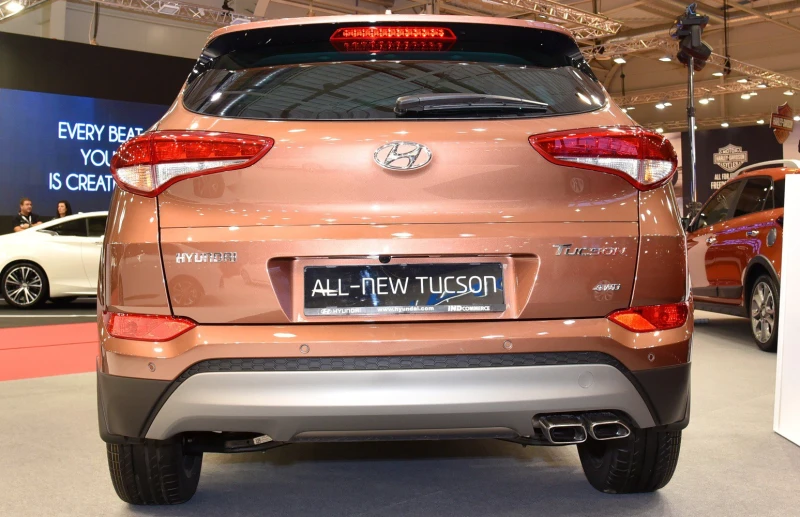
A used Hyundai Tucson III remains a sensible choice in 2026 if you pick carefully. It offers strong value, decent reliability for the class, family-friendly space and good resale.
Should you buy one? Yes – especially 2018–2021 facelift models with the conventional automatic and 2.0 CRDi (where available) or the 1.6T + 7-DCT that’s been well maintained.
Avoid: High-mileage 2016–2017 examples with the early DCT, questionable service history, or obvious signs of deferred maintenance / rust.
Checklist for inspection & test drive:
- Closely inspect rockers, wheel arches and hood for rust
- Verify full service history and run a vehicle-history report
- Feel for DCT hesitation / jerking during low-speed driving
- Evaluate cabin noise on highway and rough pavement
- Test every infotainment function, backup camera, sensors
The sweet spot is usually a 2018–2021 Limited / Ultimate trim with under 90,000 miles, full service records and no major accident history – expect to pay roughly $16,000–$21,000 for a solid example.