While the Golf VI is generally considered more dependable than many of its direct competitors from the era, every generation has its Achilles’ heels. In this guide we cover the most common Volkswagen Golf VI problems, typical 2008–2012 Golf issues and realistic repair costs to bring a used example into good shape in the current US market.
For full model overview, specs, interior and trim levels — check our other articles in the series.
Key Weak Points of the Generation
- Early TSI engines (1.2 & 1.4 EA111 until ~2011) — timing chain stretch (often 40–80k miles), oil consumption up to 1 qt per 1,000 miles, high-pressure fuel pump (HPFP) and turbo failures.
- DSG-7 DQ200 (dry-clutch) — clutch pack wear by 40–60k miles, mechatronic unit overheating and failure in stop-and-go traffic (repair $1,200–$2,500).
- Body corrosion — rear wheel arches, rocker panels, hood edges, lower doors, windshield frame (especially severe on 2009–2011 models in salt-belt states).
- Suspension — premature wear of rear control arm bushings (often 25–45k miles on rough roads), noisy strut mount bearings.
- Electrical issues — comfort module glitches, HVAC blend door actuator failures, central locking malfunctions, window regulator problems.
- Sound insulation — quite poor before facelift; wheel arches and doors especially noisy (improved after 2010, but still far from premium levels).
- Infotainment — base RCD-210/310 head units lack Bluetooth and have tiny screens; RNS-510 navigation frequently freezes or becomes slow.
- Fuel economy in real-world driving — 1.6 naturally aspirated ~22–26 mpg city; 1.4 TSI + DSG often 22–25 mpg in heavy traffic.
Model Years & Versions: What to Look For
- 2008–2009 (pre-facelift) — highest risk years: weakest sound deadening, earliest EA111 engines with problematic chains, early DSG software, rust already visible after 8–10 years. Prices usually $5,000–$7,500 — but highest chance of major repairs.
- 2010–2011 (facelift) — better noise insulation, red ambient lighting, updated radios, slightly revised timing chains (still need replacement ~every 80k miles). Most common years on the used market.
- 2012–2013 — best of the generation: some 1.2/1.4 TSI switched to timing belt, improved DSG mechatronic, less rust. Prices typically $9,000–$13,000.
Rule of thumb: avoid anything 2009 or older unless it’s priced $1,500–$2,000 below market and you budget another $1,200–$2,000 for immediate fixes.
Used Market Reality in the United States — 2025–2026
- Rust — 70–85% of examples from salt-belt states show arch and rocker rust. Road salt + winter conditions destroy bodies in 8–12 years.
- Mileage — most 2009–2011 cars sit at 150,000–250,000+ miles. Odometer rollback remains common — always check CARFAX / AutoCheck + service records.
- Fleet / ex-rental / ex-taxi — quite a few ex-fleet cars (especially around major cities). Expect worn interiors, questionable maintenance, tired DSG.
- Import history — many cars originally from Canada or came through auctions. Flood-damaged and rebuilt-title examples exist — use a paint thickness gauge and full history report.
- Service records — full dealer history is rare. Most cars serviced at independent shops or DIY.
- Trim inflation — sellers often swap steering wheels, seats and head units to make a base car look like Highline / GTI — verify equipment via VIN decoder.
Typical “Get It Right” Budget (2010–2011 example, 150k+ miles)
Estimated costs to bring an average example up to reliable daily-driver condition:
- Timing chain + tensioner + guides (1.4 TSI) — $800–$1,400
- DSG-7 clutch replacement or full mechatronic repair — $1,200–$2,500
- Full underbody rustproofing + arch treatment — $400–$800
- Complete suspension refresh (bushings, struts, mounts) — $600–$1,100
- A/C system clean & recharge — $150–$300
- Steering wheel re-wrap + seat repair — $250–$500
- Additional door & wheel arch sound deadening — $500–$1,000
Total realistic investment: $2,000–$4,500 on top of purchase price to make a typical Golf VI reliable for the next 2–4 years without major surprises.
A really clean, well-maintained 2011–2013 example (under 130k miles, 1–2 owners, good records) usually sells for $9,500–$13,500 and may need only $600–$1,500 in the first year.
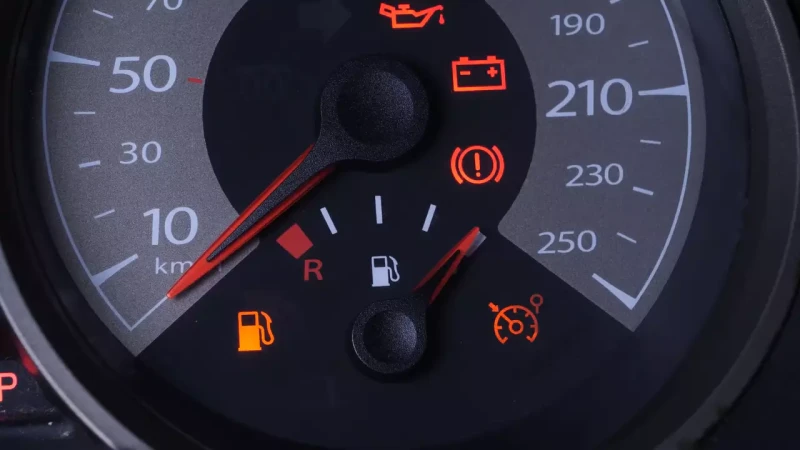
Final Verdict: Is the Golf VI Still Worth Buying in 2025–2026?
Yes — but only if you choose carefully:
- Target 2010–2013 models (ideally 2012+).
- Safest engines: 2.5L 5-cylinder (most bulletproof), 1.6 TDI (if you find one), or 2.0 TSI (post-EA888 Gen2).
- Transmission: manual is nearly bulletproof. DSG-7 only if recently rebuilt with warranty.
- Avoid: early 1.4 TSI + DSG-7 (2008–2010), ex-fleet cars, heavily rusted or accident-repaired examples.
Must-do inspection steps:
- Full engine & DSG scan at a VW/Audi specialist ($150–$350).
- Paint thickness measurement + endoscopic arch inspection.
- 30+ mile test drive — include highway, stop-and-go and hard acceleration.
- CARFAX / AutoCheck + NMVTIS title check + VIN decoder.
When properly selected, a Golf VI remains one of the most sensible used compact hatchbacks for $9,000–$13,000: fun to drive, parts are still reasonably priced, community support is huge. Just never skip the pre-purchase inspection — the $200–$400 you save today can easily become $2,000–$4,000 in repairs six months later.