


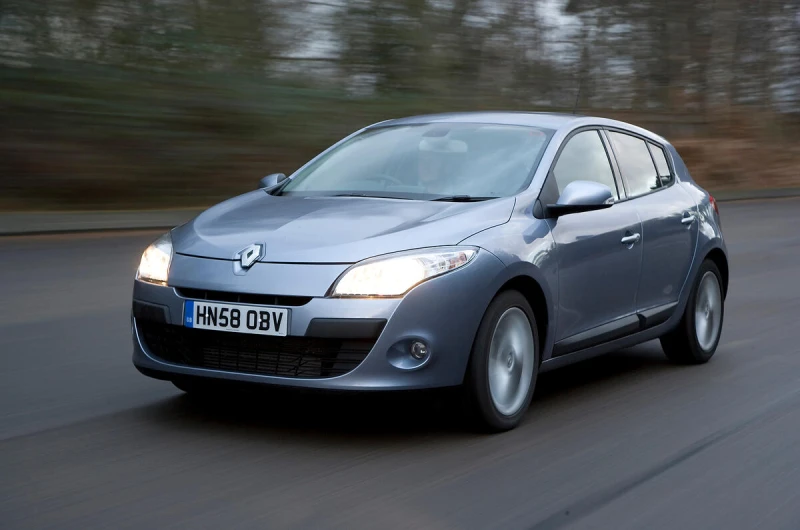
Despite its sharp looks, roomy interior, and frugal diesels, the third-generation Megane has several well-known weak spots. In this guide, we break down the most common Renault Megane 2008–2016 problems, what to inspect when shopping for a used Renault Megane in 2025–2026, and how much it might cost to get one into solid running condition.
For full specs, tech details, and interior photos, check out our other articles in the series.
Key Drawbacks of the Generation
- 1.5 dCi diesel (K9K) — EGR and DPF clogging, crankshaft bearing wear (especially pre-2012), turbo and high-pressure pump issues on low-quality fuel.
- EDC-6 dual-clutch transmission (Getrag) — clutch pack wear by 50,000–75,000 miles, mechatronics overheating in traffic, expensive repairs ($1,000–$2,000+).
- Electrical system — key card failures, UCH module glitches, climate control issues, rain/light sensor malfunctions.
- Corrosion — sills, wheel arches, lower doors, windshield frame, trunk lid (especially 2009–2012 hatchbacks).
- Suspension — stabilizer bushings and links wear out quickly (12,000–25,000 miles on rough roads), steering rack knocks.
- Sound insulation — weak until 2012, especially wheel arches and doors.
- R-Link infotainment — freezing, map loss, outdated software.
- Panoramic sunroof — leaks, creaks, blind mechanism failure.
Model Years & Versions: What to Scrutinize
- 2008–2011 (pre-facelift) — most problematic: poor sound deadening, early 1.5 dCi with bearing issues, raw EDC, rust shows up by 7–9 years. Prices often low ($4,000–$7,000), but risks are highest.
- 2012–2013 (Phase II) — much improved: updated diesels, new multimedia, better noise insulation, fewer electrical headaches.
- 2014–2016 (Phase III) — the most refined: Energy engines (1.2 TCe, 1.6 dCi), digital cluster, minimal rust. Approximate market range $8,000–$12,000 depending on condition and mileage.
Bottom line: only consider 2009–2010 models if priced $1,500–$2,000 below market and you're ready to invest another $1,000–$1,500 right away.
Used Car Market in the United States: 2025–2026 Reality
- Corrosion — 60–80% of examples show rust on sills and arches. Road salt in many states + lack of undercoating destroys bodies in 8–12 years.
- Mileage — most 2009–2013 cars sit at 150,000–280,000 miles true mileage. Odometer tampering is common (always check VIN + service records + Carfax/AutoCheck).
- Ex-fleet / rideshare — plenty of ex-Uber/Lyft imports from Europe, often with trashed interiors and dying transmissions.
- Gray-market imports — majority of US examples. Frequently frontal or rear damage repaired cheaply overseas.
- Service history — full dealer records are rare. Most serviced at independent shops or DIY.
- Trim level — many upgraded to look like Privilege/GT Line with aftermarket wheels, seats, steering wheel — verify via VIN.
Budget to Own & Fix Typical Issues
Average "get-it-running-right" costs for a 2011–2013 example with 150,000+ miles:
- 1.5 dCi rod bearings + decarbonization — $600–$1,100
- EDC clutch repair/replacement — $1,100–$1,800
- Full undercoating + cavity wax on sills — $400–$700
- Control arms + stabilizer links — $450–$800
- EGR + DPF cleaning (or delete where legal) — $200–$500
- Panoramic roof repair — $450–$900
- Extra sound deadening — $600–$900
Total: to bring an average Megane III to "drive worry-free for 3–4 years" condition, budget $1,500–$3,500 on top of purchase price.
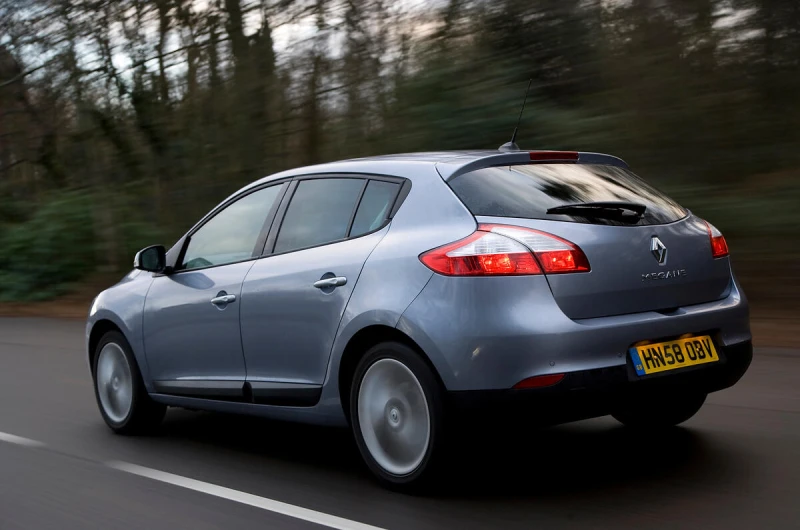
A well-maintained 2014–2016 example (under 110,000 miles, 1–2 owners, documented service) typically runs $9,000–$12,500 and needs only $500–$1,400 in the first year.
Final Verdict: Worth Buying in 2025–2026?
Yes — but only with strict criteria:
- Target 2012–2016 models (ideally 2014+).
- Best engines: post-2012 1.5 dCi 110 hp (no bearing issues) or 1.6 16V gasoline (especially if converted to propane/CNG where available).
- Transmission: 6-speed manual is by far the most reliable. EDC only if recently rebuilt with warranty.
- Avoid: pre-2012 90/105 hp 1.5 dCi, early EDC cars, heavily crashed or ex-rideshare examples.
Must-do inspection steps:
- Full engine + transmission scan at a Renault-specialist shop ($250–$450).
- Body thickness gauge + endoscope check of sills and arches.
- Extended 25+ mile test drive with hard acceleration and stop-and-go traffic.
- VIN check via Carfax, AutoCheck, and any available European databases.
When picked carefully, a Renault Megane III remains one of the most comfortable, fuel-efficient, and surprisingly practical used compacts you can find for $7,000–$12,000. But never skip proper diagnostics — the $300 you save on inspection can easily turn into $2,000–$3,500 in surprise repairs six months later.