


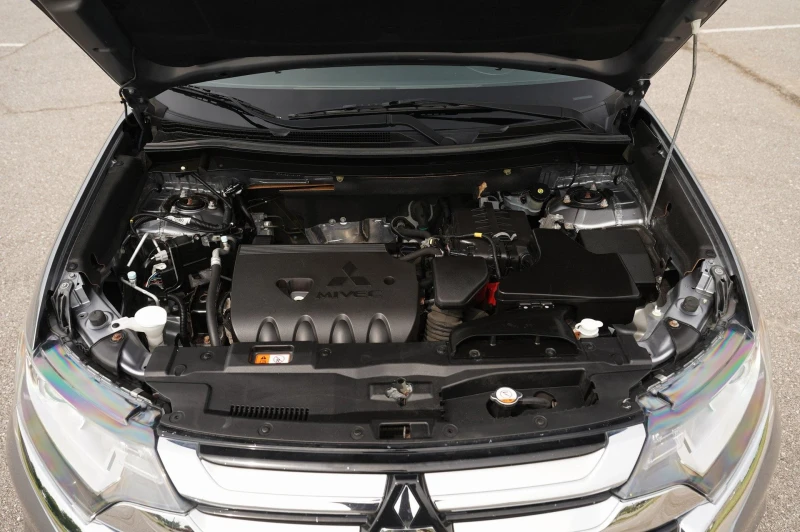
Despite its solid reputation as a family-friendly crossover, the third-generation Mitsubishi Outlander (ZJ/ZK, 2013–2021) develops several well-known issues — particularly on vehicles with 90,000–150,000 miles. The used Outlander remains popular in the US thanks to its generous interior space, available third-row seating, and parts compatibility with Nissan models. However, skipping a proper pre-purchase inspection can lead to costly surprises. See our other series articles for full specs, drivetrain breakdowns, and interior photos.
Major Weak Points of This Generation
This isn't the "bulletproof" Japanese SUV myth some expect. Owners frequently report the same recurring complaints. Here are the top 10 issues commonly seen in real-world use:
- Poor sound insulation — the single most common complaint. Wheel wells and underbody transmit a lot of road and tire noise on highways and coarse pavement, especially noticeable with all-season or winter tires. Many owners spend $800–$1,200 on aftermarket sound-deadening material to quiet things down significantly.
- Jatco JF011E CVT (2.0 & 2.4 gas models) — tends to overheat in stop-and-go traffic or during towing. Shuddering, high-pitched whine, or delayed engagement often appears after 90,000–120,000 miles. Repairs or rebuilds typically cost $1,500–$3,500. Fluid & filter changes every 30,000 miles are strongly recommended.
- Higher-than-advertised fuel consumption: Real-world figures for gas models usually range 20–25 mpg combined (often 18–22 mpg in winter city driving). PHEV electric-only range drops sharply in cold weather — commonly 15–25 miles instead of the rated 30–35 miles.
- Body corrosion: Rear wheel arches, rocker panels, hood edges, and underbody rust are frequent after 8–10 years, especially in the Rust Belt or regions using road salt. Salt exposure dramatically accelerates the problem.
- 2.2 DI-D diesel (less common in US): DPF and EGR systems clog easily; cleaning every 50,000–60,000 miles runs $500–$900. Early engines occasionally suffered cracked cylinder heads.
- Steering rack knocking: Develops after 75,000–100,000 miles, most noticeable over potholes and expansion joints. Repair or replacement usually costs $700–$1,400 (remanufactured units are cheaper).
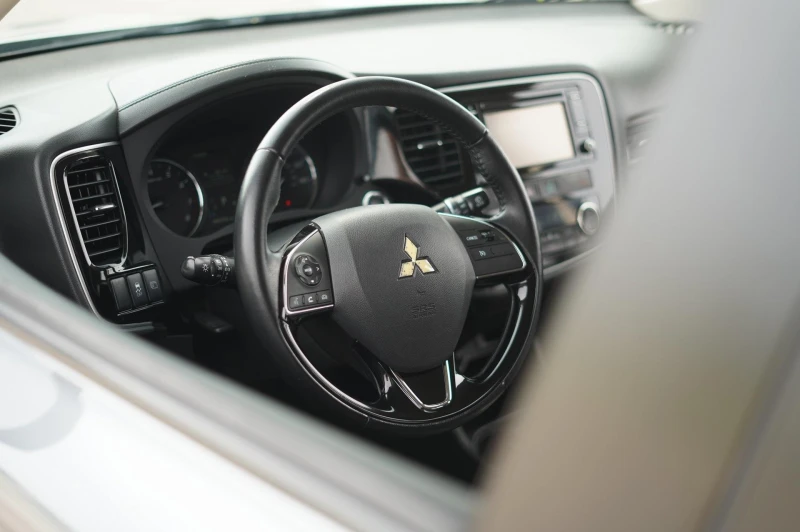
- Outdated SDA infotainment system (pre-2018 models): sluggish performance, heavy screen glare, no Apple CarPlay or Android Auto until later facelifts. Factory navigation quickly becomes obsolete; aftermarket upgrades cost $500–$900.
- Power liftgate & panoramic roof malfunctions (2015+): condensation and freezing cause intermittent failures in winter. Repairs typically range $500–$1,000.
- Underwhelming performance (2.0/2.4 gas): 0–60 mph times of 10–11 seconds feel leisurely, especially when passing or carrying a full load.
- Moderately expensive parts & maintenance: Mitsubishi OEM parts run 15–30% higher than comparable Nissan items despite high parts interchangeability. Typical annual maintenance (oil, filters, brakes) costs $400–$750.
Which Years & Versions to Target or Avoid
2013–2015 (pre-facelift) — highest-risk years according to owner forums and reviews:
- Minimal factory sound deadening
- More frequent electronics gremlins (infotainment freezes, sensor issues)
- Earlier CVT calibration — more prone to overheating
- Fewer driver-assistance features
- Higher chance of ex-fleet, salvage, or heavy-use examples
2016–2018 (first facelift) — clear step forward: noticeably better NVH, refined CVT programming, cleaner emissions compliance. Still inspect steering rack and underbody corrosion carefully.
2019–2021 (second facelift) — the most desirable: more durable PHEV battery pack, updated cabin materials, reduced interior rattles, improved CVT cooling. Diesels (where available) are quieter.
Recommendation: Skip 2013–2014 unless heavily discounted with impeccable records and a clean PPI. 2015 is transitional. 2016+ models — especially gas 2.4 or PHEV variants — are the safest bets.
Used Market Snapshot in the United States
As of late 2025, several thousand third-gen Outlanders are listed across major US platforms (CarGurus, Autotrader, Cars.com). Prices typically range:
- 2013–2015: $8,000–$13,000
- 2016–2018: $12,000–$18,000
- 2019–2021: $17,000–$25,000
- PHEV models usually command $3,000–$7,000 premium
Market notes:
- Many examples come from northern states — check underbody and wheel arches for rust very carefully.
- High-mileage units (150,000+ miles) are common; verify service history and look for CVT fluid condition.
- PHEV models hold value better but require battery health check (dealer scan tool recommended).
- Avoid flood-damaged or salvage-title vehicles — they are disproportionately represented in this price range.
Budget to Bring One to Excellent Condition
Most common problems are fixable. A solid $1,000–$2,500 investment can make a good example feel nearly new:
- Full sound-deadening package — $800–$1,300
- Underbody rustproofing / cavity wax — $350–$600
- CVT service or minor repair — $800–$2,000
- DPF/EGR cleaning (diesel) — $500–$900
- Steering rack repair/replacement — $700–$1,400
- Modern aftermarket head unit with CarPlay — $500–$900
- PHEV battery health diagnostic — $150–$350 (full replacement rare and $4,000+)
Realistic “good condition” budget (2016–2018 example): $14,000–$20,000 purchase + $1,000–$2,000 in immediate fixes. Annual ownership costs (15,000 miles/year): $500–$900 for routine maintenance.
Final Verdict & Buying Advice
The Mitsubishi Outlander III (2013–2021) remains a sensible used buy in 2025–2026 if you prioritize:
- 2016 or newer (ideally 2019+)
- 2.4-liter gas or PHEV with AWD
- Under 120,000–130,000 miles with documented history
- Total budget $15,000–$24,000
You get a roomy, versatile SUV with strong long-term durability potential (250,000–300,000+ miles possible) and slower-than-average depreciation.
Consider walking away or demanding a significant discount on:
- Pre-2016 models with obvious CVT symptoms or heavy rust
- High-mileage ex-rental/fleet vehicles
- PHEV examples without recent battery diagnostics
- Any vehicle with inconsistent service records
Always perform:
- Professional PPI including CVT temperature test drive
- Underbody inspection on a lift
- Cold-start and highway test drive (noise, handling, 4WD operation)
- CARFAX / AutoCheck + dealer battery scan (for PHEV)
When clean and well-maintained, the Outlander III delivers reliable family transportation and holds its value surprisingly well in the used crossover segment.