An analysis of the figures helps explain the factors shaping demand and why individual divisions are delivering different results.
Overall sales performance
At first glance, a decline of approximately 4% in global sales may appear relatively moderate. In absolute terms, however, the picture is less favorable: the group delivered around 2.05 million vehicles during the quarter, noticeably fewer than in the same period last year.
The trend is particularly significant when compared with earlier volumes, when the group sold more than 10 million vehicles annually. This points to a gradual weakening of demand for the company's products across several key regions.
Regional demand breakdown
A closer examination shows that the sales decline is global in scope. Several major markets recorded negative results:
- China — down approximately 14.8%
- United States — down around 20.5%
- Asia-Pacific region — down roughly 8%
- Middle East and Africa — down more than 5%
Positive momentum was limited to selected regions. Sales in South America increased by approximately 5%, supported by locally developed models tailored to market requirements. Europe also recorded moderate growth, although much of that improvement came from individual brands within the group.
The role of the model lineup
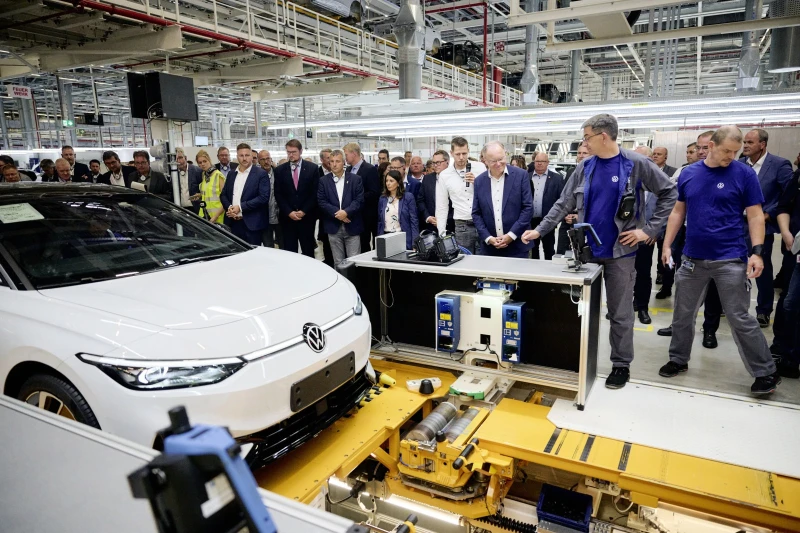
One of the main factors affecting demand is the composition of Volkswagen's model portfolio. Battery-electric vehicles, which have received substantial investment, recorded an approximately 8% decline in sales, adding further pressure to the overall result.
Conventional models powered by internal combustion engines continue to account for most deliveries. However, the underlying technology of some models has changed relatively little in recent years, reducing their competitiveness as rival manufacturers introduce updated alternatives.
Performance by brand
The group's overall result reflects the combined performance of its individual brands, most of which reported lower sales. Škoda was the notable exception, posting growth of approximately 14% and delivering around 271,900 vehicles during the quarter.
This performance can be attributed to a more balanced model strategy that continues to include a substantial share of conventional vehicles. The brand's broad product range also contributed to the positive result.
Long-term factors
The automotive market is characterized by significant inertia. Buyers rarely change brands and often maintain established preferences for many years. As a result, the effects of strategic decisions may emerge gradually and continue to influence performance over an extended period.
Under these conditions, even a strategic adjustment may require considerable time before producing a measurable effect. This applies both to the development of new models and to rebuilding customer confidence.
Conclusion
Volkswagen's sales decline reflects a combination of factors, including changing demand patterns, the structure of its model lineup and substantial regional differences. Despite positive results in selected areas, the broader trend remains negative.
Future performance will depend on the company's ability to adjust its strategy and create a more effective balance between different vehicle types.