


The withdrawal of individual models provides insight into how consumer behavior changes when government support is reduced.
BMW’s Electric Vehicle Strategy
Unlike some competitors, BMW has not abandoned internal combustion engines and continues to develop several powertrain technologies in parallel. Electric vehicles nevertheless remain an important part of the company’s strategy, as reflected in their prominent role in marketing campaigns and new-model presentations.
At the same time, the company’s sales mix shows that most customers still choose vehicles with conventional powertrains. Fully electric models account for a smaller share, although they help the manufacturer comply with emissions requirements in key markets.
The Role of Incentives and Market Conditions
In many countries, demand for electric vehicles is supported by various incentive programs. These can include direct purchase subsidies as well as indirect measures that reduce the overall cost of ownership.
Conditions in the United States changed after federal incentives were reduced. The effect on sales was immediate, with demand for BMW electric models beginning to decline at an accelerating rate.
- annual sales decline of approximately 16%
- drop of more than 45% toward the end of the year
- further contraction of over 60% in the following period
This trend highlights the segment’s sensitivity to pricing conditions and the broader economic environment.
A Model Withdrawn from the Market
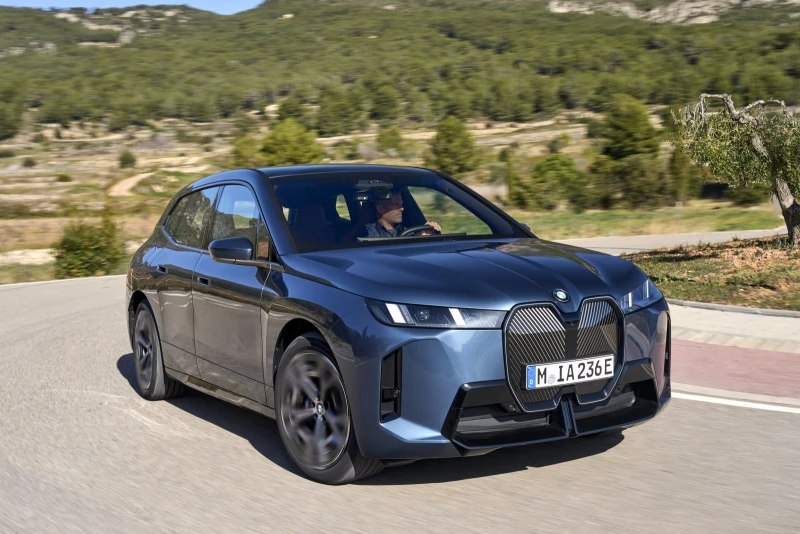
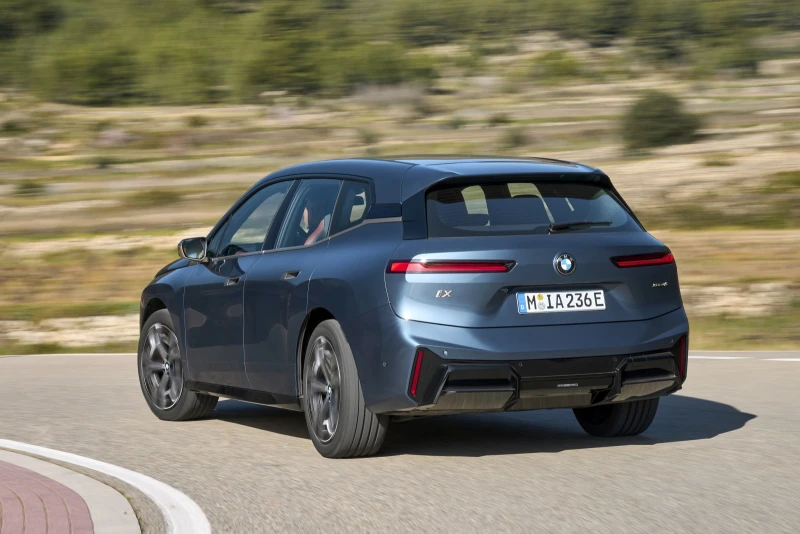
Following the decline in demand, the company decided to discontinue sales of one of its key electric vehicles in the United States. The model in question is a large crossover positioned as the flagship of BMW’s electric lineup.
The vehicle had been on sale for around five years and had recently received an update, suggesting that the decision was not part of the original product cycle. The model will continue to be offered in other markets without major changes.
Reasons Behind the Decline in Interest
The reduction in demand can be attributed to several factors. The most significant is the loss of financial incentives that had previously made electric vehicles more attractive to buyers. High purchase prices, combined with charging infrastructure limitations, also continue to influence consumer decisions.
Competition and the wide range of alternatives available in other segments also play an important role. Conventional vehicles remain more familiar and, in many cases, more affordable for buyers.
Conclusion
BMW’s experience demonstrates that even major automakers face challenges when promoting electric vehicles without external support. Demand for these models remains closely connected to economic conditions and government policy.
As market conditions change, manufacturers must adjust their strategies and model lineups to reflect actual consumer preferences. This article was prepared based on the supplied source material.