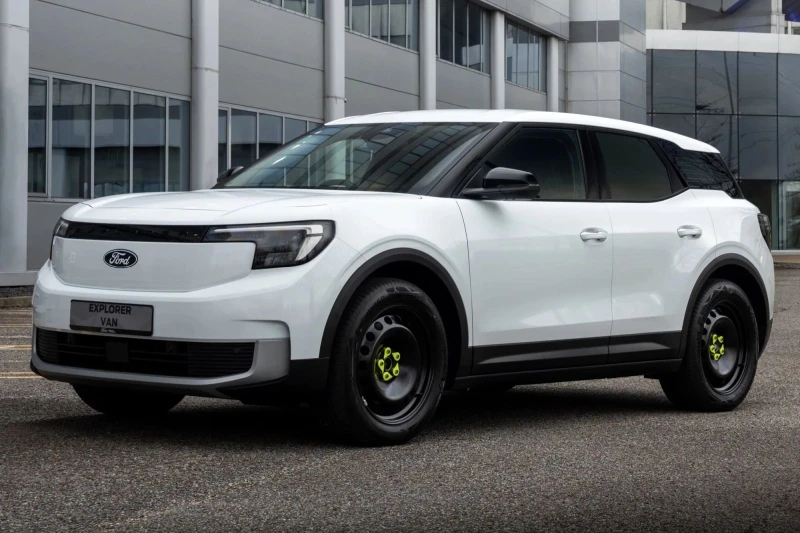
One approach involves transforming passenger vehicles into utility-focused versions designed around practicality and lower costs. This allows manufacturers to target commercial customers and partially offset weaker demand in the consumer market.
Strategies Shift Under Market Pressure
In recent years, many automakers have invested heavily in electric vehicles while anticipating rapid demand growth. The market has proved more complex, however, as high prices, limited charging infrastructure, and changing government incentives have made EVs less attractive to some mainstream buyers.
As a result, manufacturers are adjusting their strategies and adapting existing models for different purposes and customer groups.
Moving Toward Utility-Focused Versions
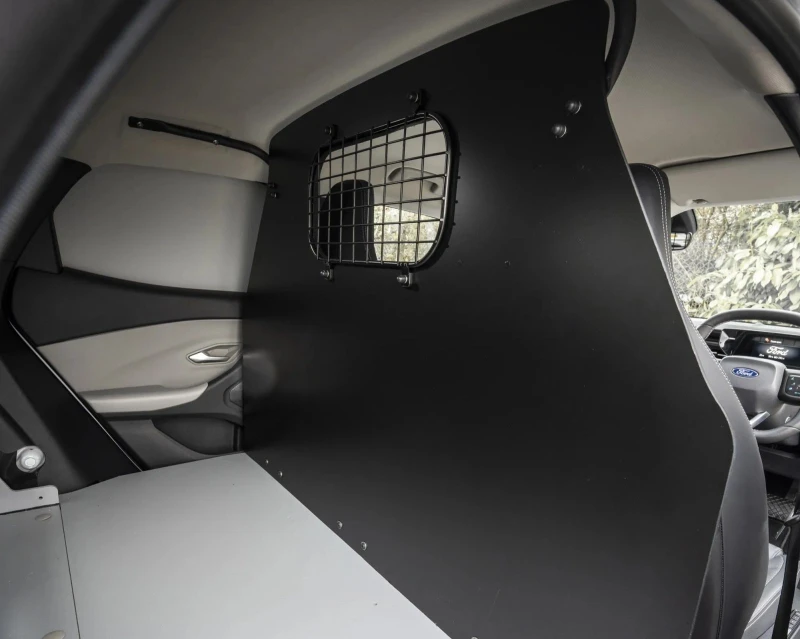
One solution has been the development of commercial versions of existing electric vehicles. The rear seats are removed to expand cargo capacity and make the vehicle more suitable for work-related use.
This approach allows the vehicle to be positioned as light commercial transportation, potentially providing tax advantages and reducing the overall cost for business customers in markets where such classifications apply.
- removal of the rear seats
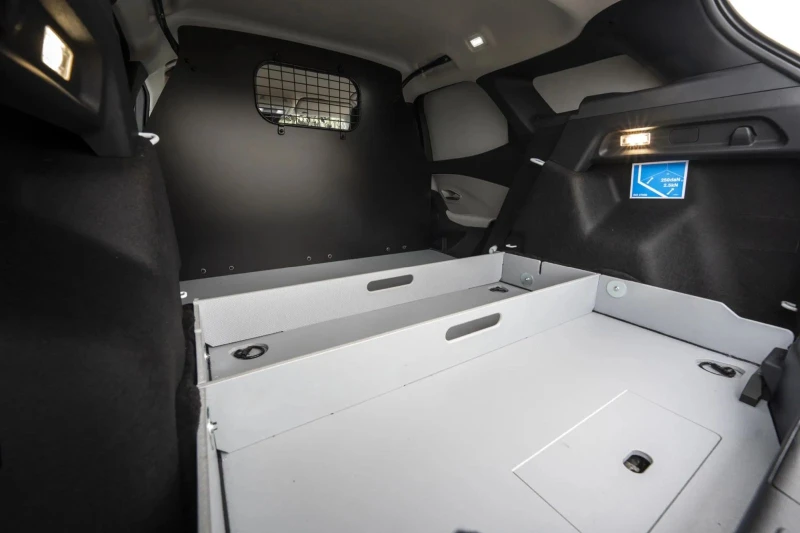
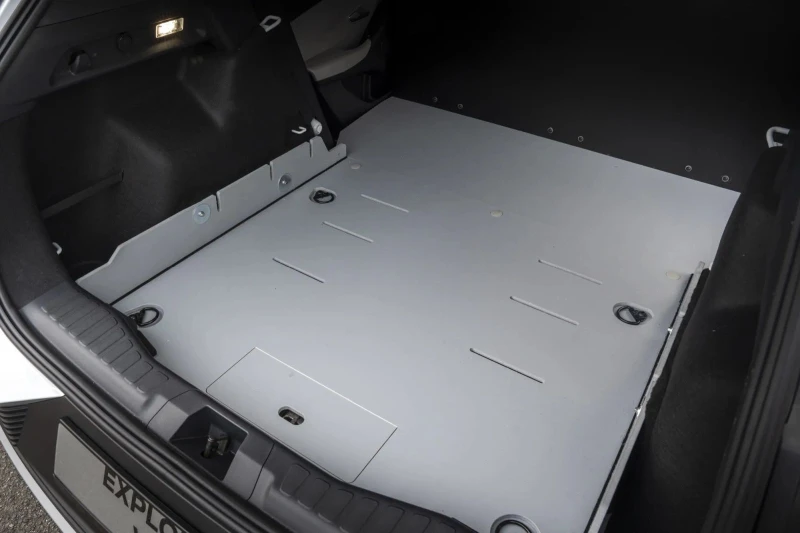
- expanded cargo space
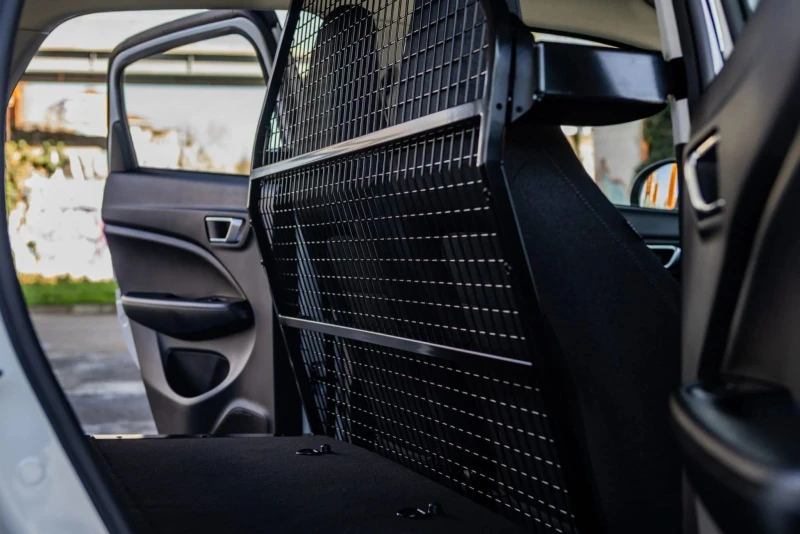
- installation of a partition between the cabin and cargo area
- simplified equipment to reduce the price
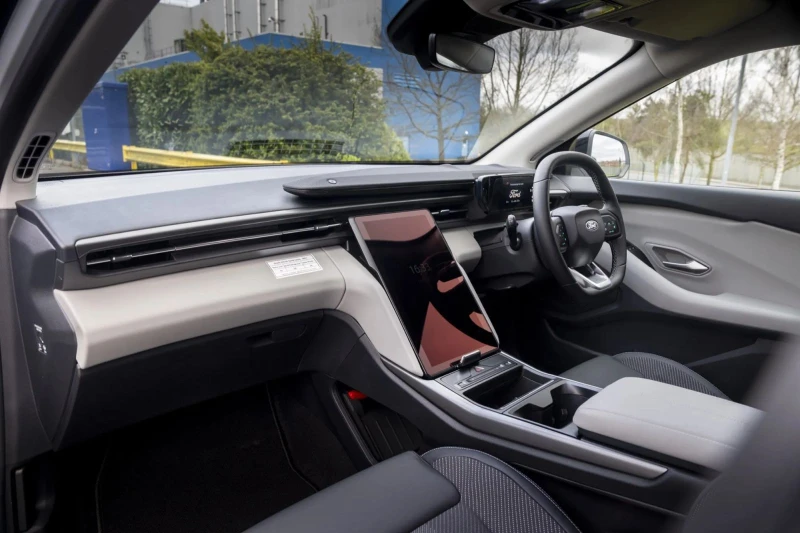
Manufacturers may also use more basic interior materials and equipment, including standard wheels and the removal of selected comfort features.
Examples of the Concept
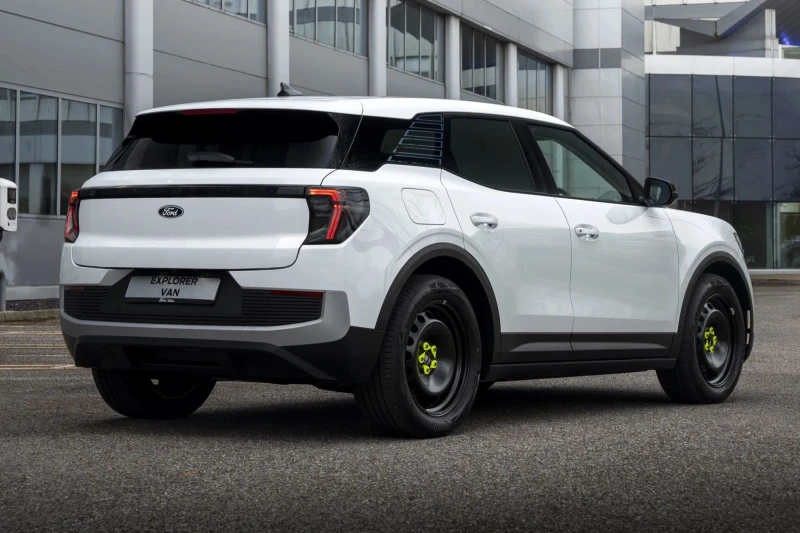
Several manufacturers have already introduced vehicles based on this formula. One electric crossover was converted into a van-style model by removing the rear seats, installing a partition, and adding tie-down points and other cargo-management features.
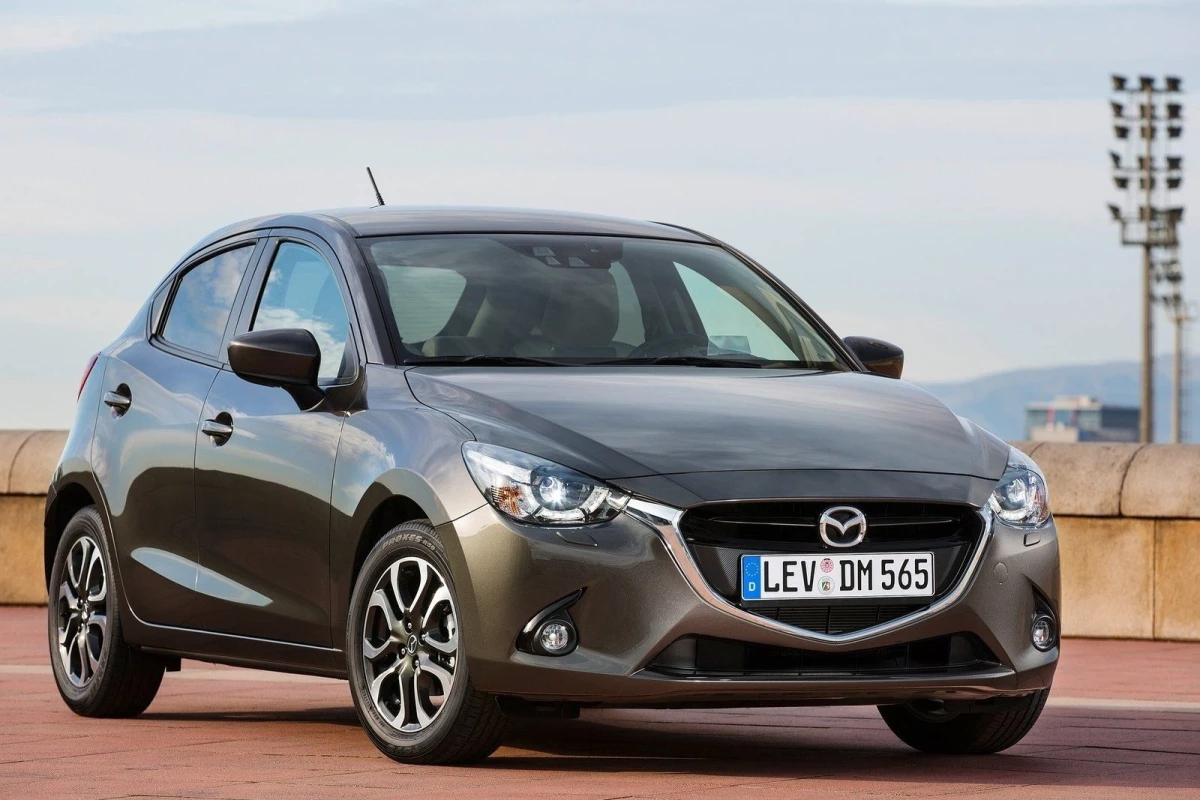
A similar approach has been applied to a compact urban EV, which received an enlarged cargo compartment with a volume of more than 650 liters. Its limited payload indicates that it is intended for lighter commercial duties, such as local delivery services.
Technical Limitations Remain
Despite the structural changes, the underlying technical specifications generally remain unchanged. These vehicles therefore retain the same limitations related to driving range and charging speed.
For example, some compact models use batteries with a capacity of around 37 kWh, providing a driving range of approximately 250 kilometers. Charging performance may also remain limited, which can affect efficiency in intensive commercial operation.
Prospects for the Strategy
A stronger focus on commercial use could provide a temporary way to support sales. Business customers tend to place greater emphasis on total cost of ownership and may consider such vehicles practical tools for clearly defined tasks.
Long-term success, however, will depend on whether manufacturers can improve the key characteristics of electric vehicles and make them suitable for a wider range of applications.
Conclusion
The shift toward simplified, utility-focused EVs reflects an effort to adapt to changing market conditions. Automakers are exploring new customer segments and use cases to maintain demand for existing models.
The effectiveness of this strategy will depend on the balance between price, functionality, and the practical requirements of commercial customers.