Even 15–17 years after launch, the Volkswagen Golf VI cabin (2008–2012) continues to impress with its clean appearance, solid build quality and characteristically German attention to detail. This guide covers the interior layout of the sixth-generation Golf, the main trim levels offered in the United States, key changes during the production run, and the most common issues to look out for when shopping used examples in 2025.
Cabin Overview: Materials & Design
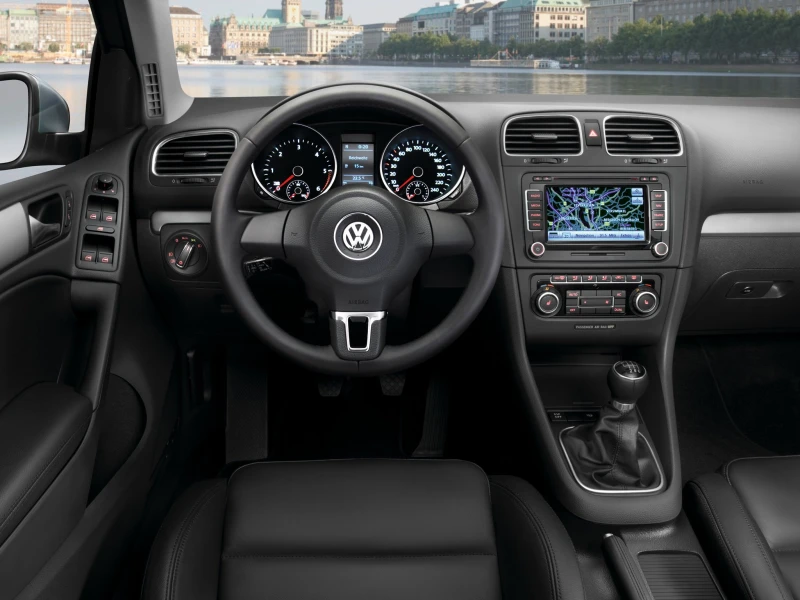
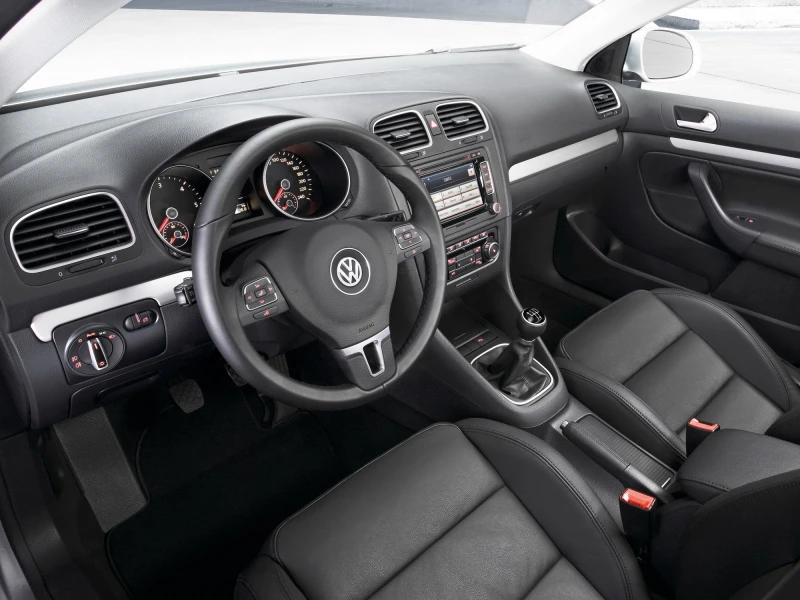
The Golf VI interior embodies classic Volkswagen restraint: everything is logically placed, clearly marked and built to last. The upper dashboard is covered in soft-touch plastic, while the lower sections use harder but still pleasant-feeling plastic that rarely develops rattles. Door cards combine fabric inserts with plastic trim; higher trims add aluminum-look accents or piano-black finish.
Gauges are classic analog dials with white illumination that changed to red after the facelift. The center stack tilts slightly toward the driver, placing the head unit at the top and intuitive rotary climate controls below. Steering wheels are three- or four-spoke designs; better-equipped models feature leather wrapping and multifunction buttons for audio and cruise control.
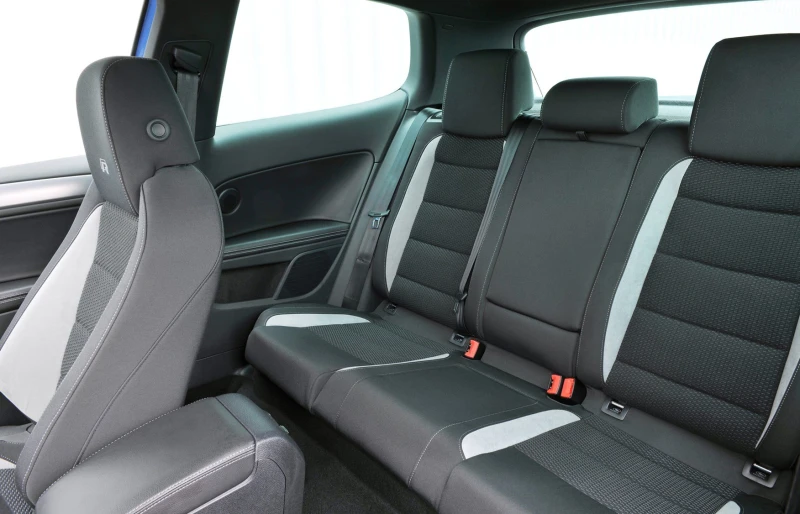
Driving position is near-perfect: generous seat and steering adjustments accommodate drivers well over 6 ft 2 in. Front seats are among the class leaders with strong side bolsters and supportive cushioning. Rear seating works well for two adults up to about 6 ft 1 in; three is possible but snug. Headroom remains adequate even with the panoramic sunroof fitted.
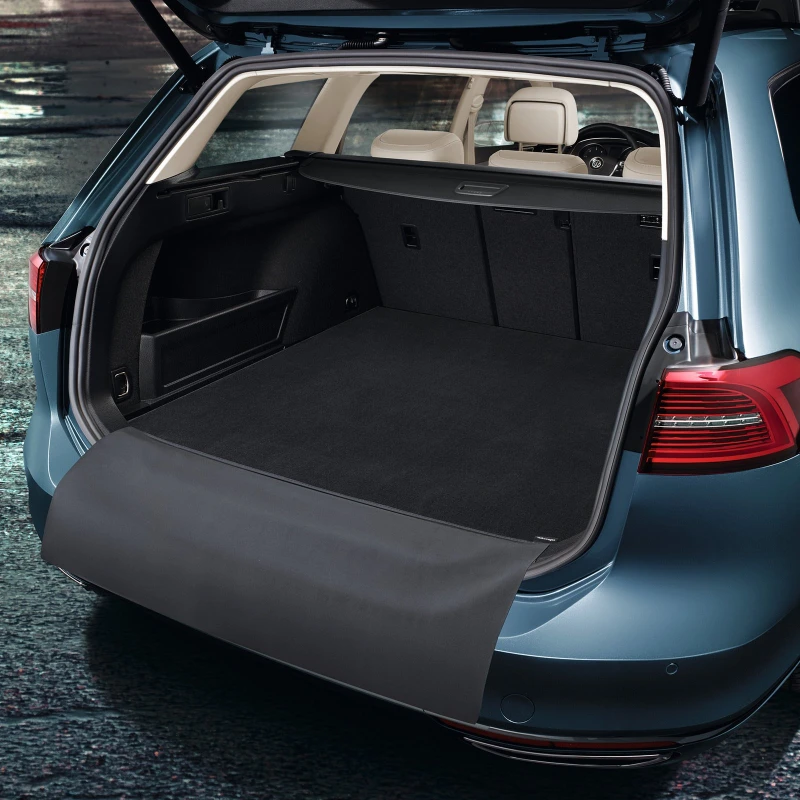
Hatchback luggage space measures 12.4 cu ft behind the rear shelf, expanding to 46.0 cu ft with seats folded (nearly flat load floor). The Variant wagon provides 17.8 / 52.8 cu ft. The parcel shelf is rigid and rises with the tailgate — a practical touch. Underfloor storage usually contains a compact spare or tire repair kit; full-size spares were uncommon.
Trim Levels Available in the U.S. Market
The Golf VI was sold in the United States with the following primary trim packages:
- Trendline / S (base) — "Dot" cloth upholstery, basic RCD-210 head unit (CD/MP3, 4 speakers), manual air conditioning, manual rear windows, steel wheels, black mirrors.
- Comfortline / SE — upgraded "Scout" or "Merlin" cloth, single-zone Climatronic (later dual-zone), cruise control, leather-wrapped wheel and shifter, rain/light sensors, heated power mirrors, 8-speaker audio, front center armrest.
- Highline / SEL — Alcantara/cloth combination or optional Vienna leather, sport seats, chrome exterior accents, aluminum interior trim, multifunction steering wheel, front & rear parking sensors, bi-xenon headlights, panoramic sunroof (tilt/slide front panel), RNS-510 navigation with 6.5-inch color display.
- Sportline / R-Line (from 2010) — sport exterior bumpers, enhanced side-bolster seats, aluminum pedal covers, black headliner, flat-bottom steering wheel.
The most sought-after used examples are typically 2011–2013 Highline models equipped with the panoramic roof, leather upholstery, RNS-510, DCC adaptive suspension and winter package (heated seats, mirrors and auxiliary heater).
Interior Updates by Year (2009/2010 Facelift)
There was no complete redesign, but the facelift introduced late 2009 (for 2010 model-year cars) brought several meaningful improvements:
- Instrument cluster lighting switched from white to red (less eye strain at night).
- Updated head units: RCD-310 and RCD-510 with color displays, USB and Bluetooth connectivity (earlier models usually offered only AUX).
- Dual-zone automatic climate control became standard on Comfortline and higher trims.
- New fabric colors and patterns, including popular Titan Black and Corn Silk beige.
- Improved sound deadening with additional insulation in doors and floor (noticeably quieter from 2010 onward).
- Panoramic sunroof added as a factory option on Highline models (previously dealer-installed only).
Post-facelift cars represent the majority of used examples today — easily identified by red gauge lighting and more modern infotainment.
Common Interior Issues on Used Golf VI Models in 2025
The cabin still presents well in 2025, but mileage and age reveal typical wear:
- Steering wheel & shift knob leather wear — peeling often starts around 90,000–125,000 miles, worse on ex-fleet vehicles.
- Driver’s seat side bolsters — cloth and partial-leather versions compress and crack over time.
- Dashboard & door card rattles — become noticeable after 10–12 years, especially in cold or dry conditions.
- Piano-black trim scratches — center console finish marks very easily.
- Fabric fading — seats and rear parcel shelf lose color after prolonged sun exposure.
- Panoramic sunroof — creaks and occasional minor leaks develop (drain cleaning or repair usually $300–$600).
- HVAC system — blend door actuators can fail, leading to musty odors (cleaning + parts ≈ $150–$250).
- Rear visibility — thick C-pillars and small rear window create blind spots.
In typical U.S. conditions (winter road salt, intense summer sun), cloth interiors show dirt faster, while leather can develop cracks from temperature extremes.
Which Interior to Target in 2025
In 2025 the Volkswagen Golf VI interior still feels more modern and better finished than many compact cars from 2015–2018. It prioritizes quality and durability over flash. The strongest value choices for the U.S. market are Comfortline or Highline models from 2010–2013:
- Climate control, cruise control, multifunction steering wheel, rain/light sensors.
- Red instrument lighting and usable infotainment with USB/Bluetooth.
- Excellent feature-to-price balance (most examples sell in the $7,000–$10,000 range depending on mileage and condition).
If budget permits, seek a Highline with leather/Alcantara and panoramic roof — but always confirm smooth sunroof operation and no water intrusion history.
Key items to check during inspection:
- Condition of steering wheel and driver’s seat bolsters (re-trim ≈ $150–$250).
- Full operation of all controls and climate system.
- Any musty smells from the HVAC (possible evaporator mold).
- Panoramic roof mechanism and shade function.
- Absence of cheap aftermarket modifications (seat covers, fake wood trim, etc.).
With proper care, a Golf VI interior can still score an 8/10 in 2025 — one of the strongest reasons this generation remains a smart used-car buy in the American market.