


Even in 2025, the Renault Megane 2008–2016 cabin still holds up well, especially in post-facelift models. In this guide, we dive deep into the third-generation Megane's interior design, available trims in key markets, the changes over its 8-year run, and the typical issues facing used buyers today.
Materials and Design
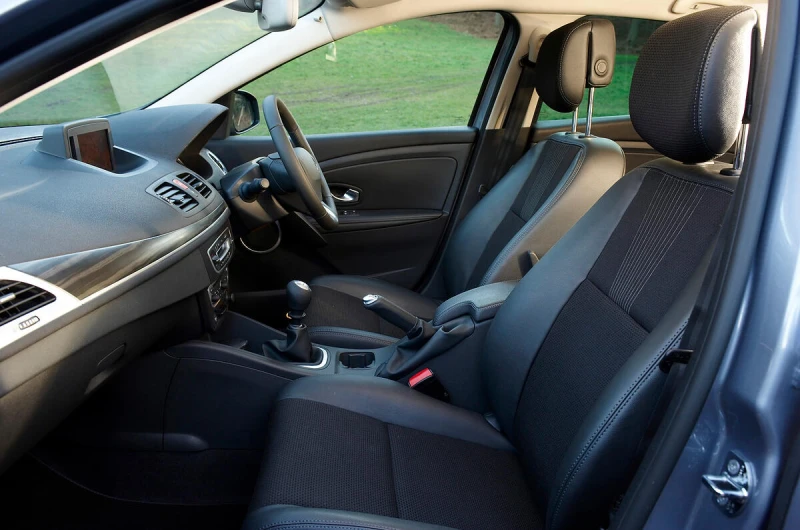
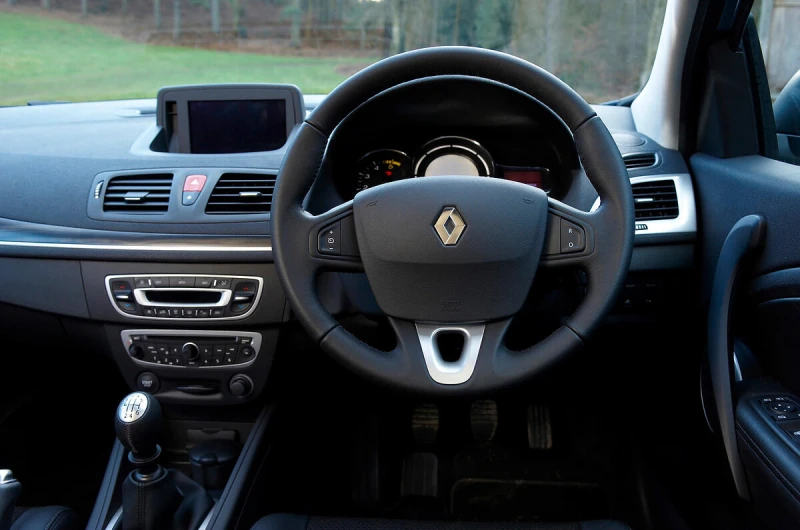
The Megane III interior stood out from rivals right away: soft-touch plastics on the upper dash and door cards, nice fabric inserts, chrome accents, and that signature floating gear lever on EDC-equipped versions. The instrument cluster features analog gauges with white backlighting (switched to red after the facelift), while top trims offered a fully digital TomTom display as an option from 2012.
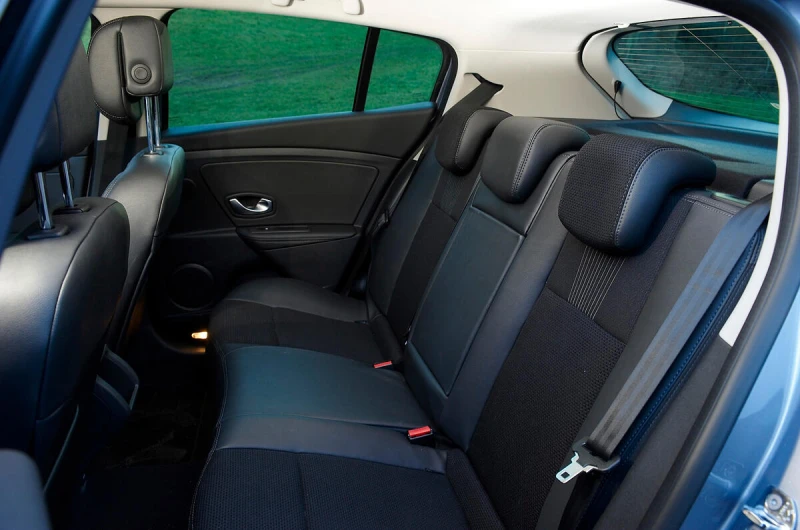
Driver positioning is one of its strongest points: the steering wheel adjusts generously for reach and rake, the front seats deliver solid side bolstering and a long cushion. Rear space is decent for two adults up to about 6'1", and three can fit without major complaints thanks to the flat floor. Headroom remains good even with the panoramic sunroof.
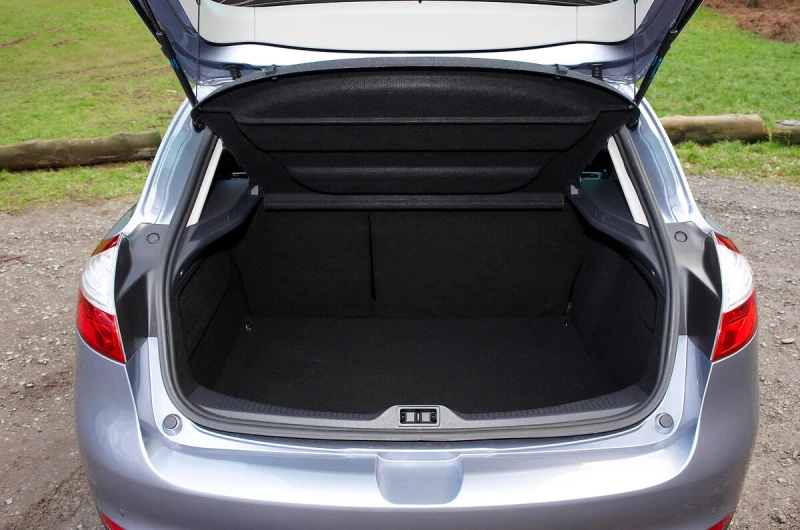
Trunk capacity: hatchback — 405/1162 liters (to shelf/folded seats), Grandtour wagon — 524/1604 liters. The rigid parcel shelf lifts with the tailgate — super practical. Underfloor storage includes a space-saver spare or repair kit, with a full-size spare rare.
Trim Levels in Key Markets
Common trim lines included (plus some special editions):
- Authentique / Expression (base) — "Carbon" fabric, manual A/C, basic CD/MP3 stereo with 4 speakers, manual rear windows, steel steering wheel, trip computer.
- Dynamique / Confort — "Evolution" or "Dark Charcoal" fabric, climate control (dual-zone from 2012), cruise control, leather-wrapped steering wheel, Bluetooth, USB, 16" alloy wheels, rain & light sensors, 8 speakers.
- Privilege / Luxe — mixed fabric + Alcantara or leather upholstery, sport seats, front & rear parking sensors, bi-xenon headlights, keyless entry/start, panoramic sunroof (electric blind), R-Link with 7" touchscreen and navigation.
- GT Line / Bose Edition (from 2012) — bolstered sport seats, black headliner, aluminum pedal covers, premium Bose audio, 18" wheels, blue stitching on wheel and seats.
The most desirable used examples are Privilege and GT Line models from 2013–2016 with the panoramic roof, leather, R-Link, and cold-weather package (heated seats and windshield).
Interior Updates by Year (2012 and 2014 Facelifts)
The Megane III received two significant facelifts that transformed the cabin:
- 2012 (Phase II) — softer plastics, red instrument backlighting instead of white, updated head units with color screens plus USB/Bluetooth, dual-zone climate on higher Dynamique trims, introduction of R-Link 7" touchscreen system.
- 2014 (Phase III) — optional full digital instrument cluster, new interior color schemes (light gray and beige), enhanced sound deadening (extra mats in doors and floor), updated steering wheel and shifter design carried over to Megane IV.
Post-facelift models (2012–2016) make up the majority of used examples — easily spotted by the red gauge lighting and modern infotainment.
Common Interior Issues on Used Megane III Models
Despite a strong initial impression, age and road conditions reveal some weak points:
- Driver's seat wear — side bolsters collapse or crack by 90,000–125,000 miles, especially fabric and faux leather.
- Steering wheel and shifter knob wear — leather peels by 110,000–155,000 miles.
- Interior rattles — dash, door cards, and center console start creaking after 10–12 years, worse in cold weather.
- Gloss black plastic scratching — the piano-black center console scratches almost immediately.
- Panoramic sunroof — eventually squeaks, leaks, or the blind jams (repair $400–800).
- R-Link system — freezes, loses maps, needs reprogramming (update ~$150).
- Climate control — blend doors seize, musty smell appears (cleaning + actuator replacement ≈ $200–300).
- Visibility — thick A-pillars and small rear window (especially on hatchback).
In regions with dust, road salt, and temperature swings, fabric interiors soil faster and leather cracks from heat and cold.
Conclusion: Which Interior to Target in 2025
In 2025, the Renault Megane III cabin still feels fresher than many Korean compacts from 2015–2017 and definitely more interesting than a Golf VI. It's stylish, comfortable, and built to a solid standard.
Recommended choice for the US market:
- Dynamique or Privilege 2012–2016 models — includes climate control, cruise, multifunction steering wheel, Bluetooth, red backlighting, and a decent head unit.
- Approximate market price range for such cars: $6,500–$9,500.
- Best with panoramic sunroof and heated windshield (great for colder states).
If budget allows, go for a GT Line or Bose Edition from 2014–2016 with the digital cluster and Bose premium audio.
Must-check items when buying:
- Condition of driver's seat and steering wheel (reupholstery $200–400).
- Panoramic roof and blind operation.
- No musty or moldy odors inside.
- Full function of all buttons, climate, and infotainment.
- No signs of cheap aftermarket mods (seat covers, wood trim).
With proper care, the Megane III interior still scores a solid 8/10 in 2025 — one of the standout strengths of this generation in the used market.