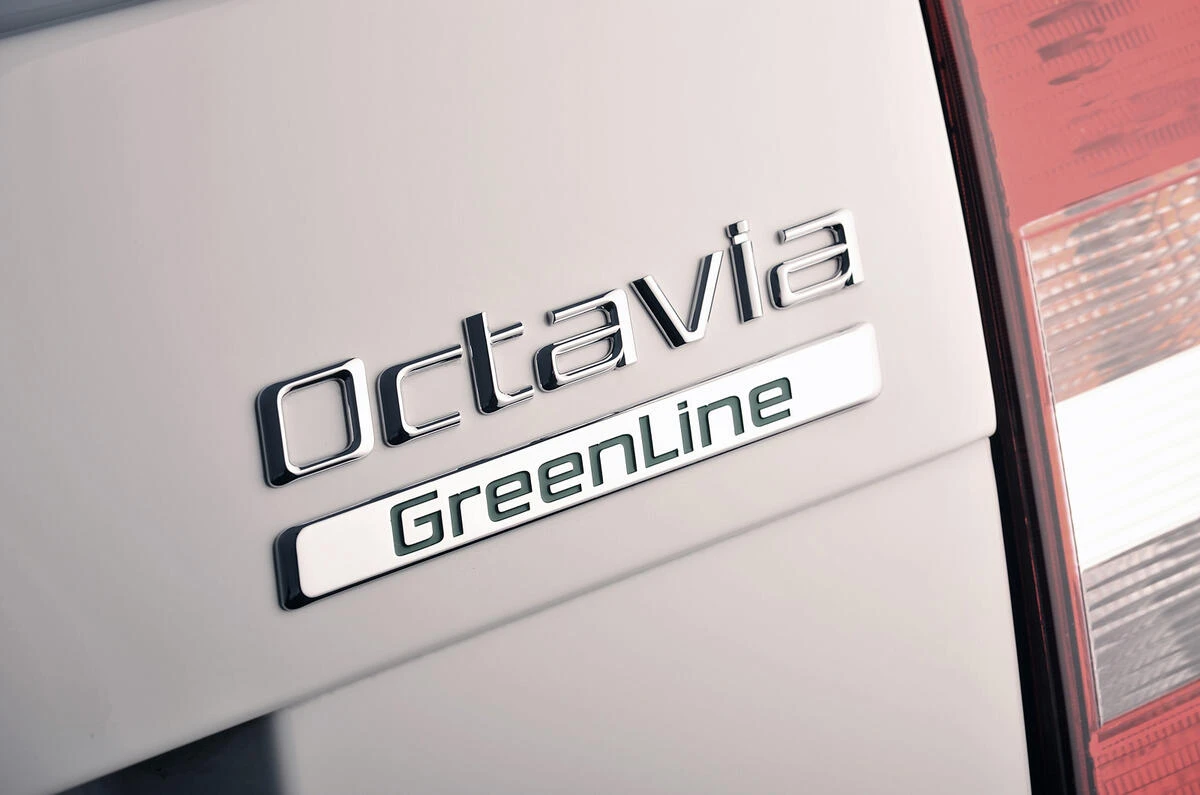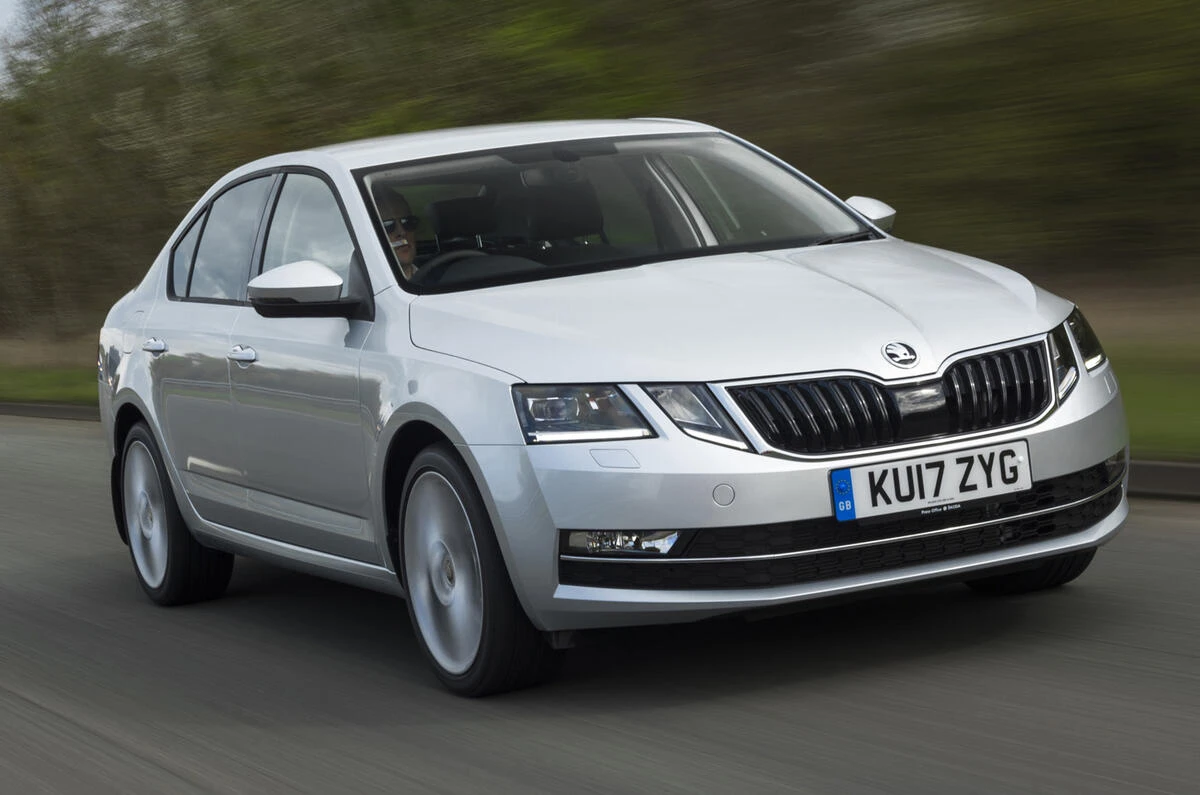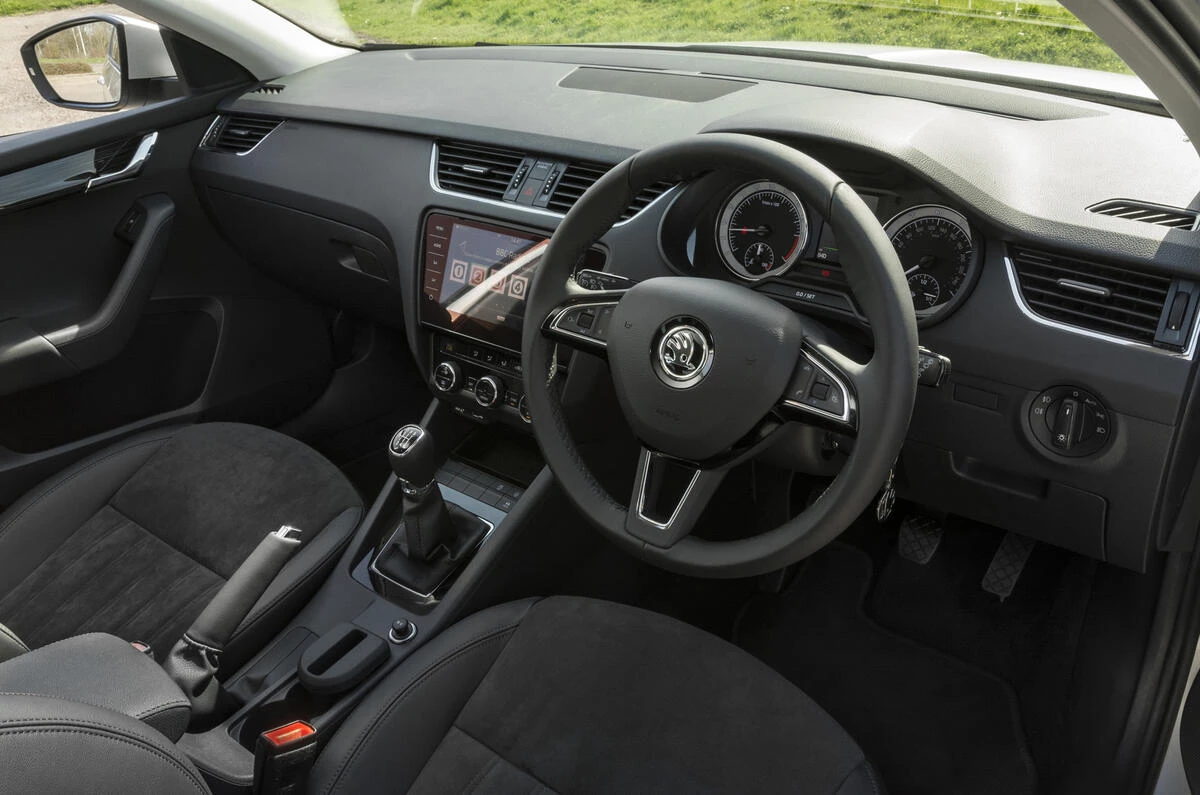



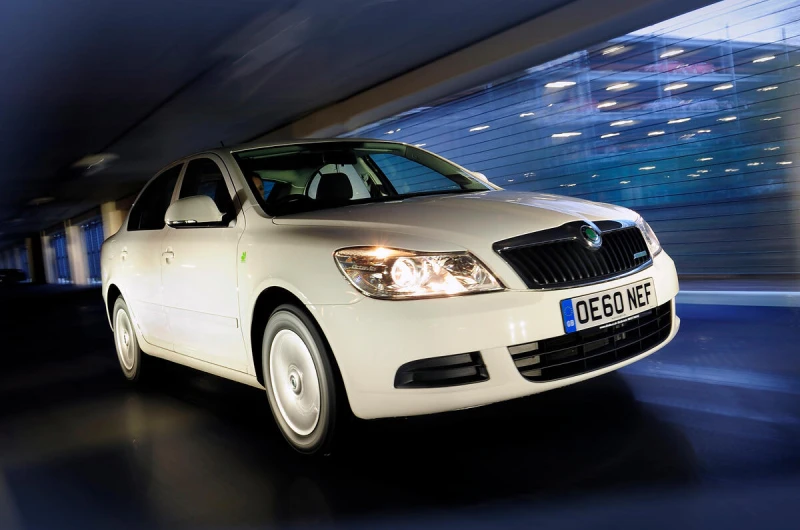
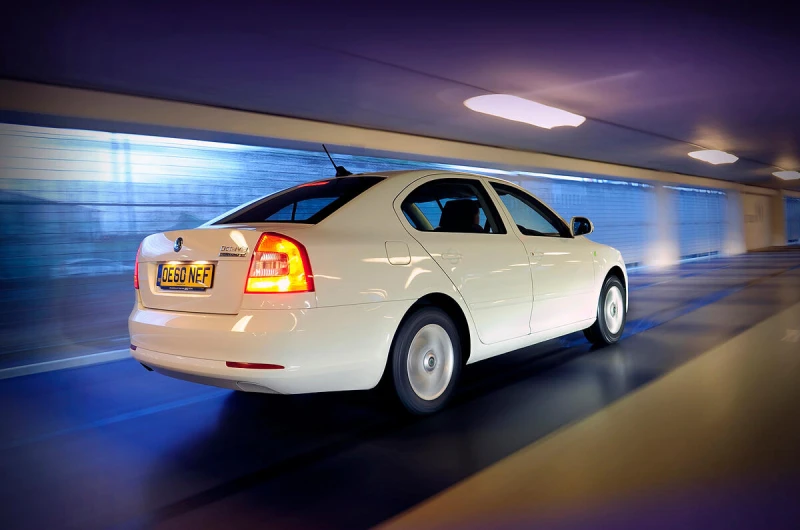
This generation, also known as Mk2, A5, or Typ 1Z, premiered at the Geneva Motor Show in February 2004, with production running until 2013 when it was replaced by the Octavia III. Sales in Europe began in summer 2004, and the model quickly gained a strong following for its dependability and versatility. Over 2.5 million units were built, cementing the Octavia's reputation as a practical family car in the compact segment.
Skoda Octavia review for this generation starts with its foundation: the Volkswagen Group's PQ35 platform (shared with the Golf V and Passat B6). This delivered impressive body rigidity (+30% over the first generation) and excellent parts compatibility with VW models. Dimensions for the liftback: 180 inches long (3.2 inches longer than its predecessor), 70.2 inches wide, 57.6 inches high, with a 101.5-inch wheelbase. The wagon's trunk holds 20.4 cubic feet (up to 57.3 with seats folded), making it one of the roomiest in its class.
Key design highlights of the Skoda Octavia second generation include a clean, timeless look with horizontal headlights, sharp body lines, and optional 16-17-inch wheels. The 2008 facelift added LED daytime running lights and chrome accents. The interior embodies "Simply Clever" features: storage nets in doors, umbrella holders, and an optional double cargo floor. Powertrain options were broad: gasoline engines from 1.4 MPI (80 hp) to 2.0 FSI (150 hp), diesels like 1.9 TDI (105 hp) and 2.0 TDI (140 hp), paired with 5/6-speed manual, 4/6-speed automatic, or 6-speed DSG. Safety earned 4-5 stars in Euro NCAP tests, with up to six airbags and ESP standard after 2006.
Overall, the Skoda Octavia II is a dependable daily driver for families and commuters, blending VW engineering with Czech ingenuity.
What’s New Compared to the Previous Generation
Moving from the first to the second generation Skoda Octavia II was a major upgrade: the original Octavia I (1996-2004) was a solid budget option, but the Mk2 brought more refinement and technology. The PQ35 platform replaced the older A4, extending the wheelbase by 1.4 inches and adding rear legroom (+2 inches). Torsional rigidity improved by 30%, enhancing handling—the suspension was tuned for comfort, with optional 4x4 (Haldex) on about 20% of models.
Design evolved from angular to smoother lines—a longer body, better aerodynamics (Cd 0.30, improved by 0.02). The interior got premium touches: softer plastics, optional dual-zone climate control, and better audio systems. Comfort improved with quieter cabin (+20 dB insulation), supportive seats, and +3.5 cubic feet of trunk space. Tech advances included Common Rail diesels (1.9 TDI quieter and 15% more efficient), DSG from 2006, Bluetooth, and navigation. Safety jumped to 5 stars Euro NCAP with added curtain airbags and Isofix standard.
Compared to the first generation, the Octavia II offered more space (+10% interior volume), greater longevity (+60,000 miles typical engine life), and lower running costs.
The Used Market in 2025
The Skoda Octavia II continues to be a popular choice on the U.S. used car market in 2025, appreciated for its durability, roominess, and affordable ownership costs. Many examples are gray-market imports from Europe with 120,000–180,000 miles. Diesel TDI models are especially sought after for highway efficiency (30–40 mpg), while wagons appeal for their cargo versatility (about 30% of available cars).
Approximate market price range for the United States (as of late 2025):
- Early 2004–2006 models (1.6 MPI, manual): $4,000–$6,000
- Mid-range 2007–2009 (1.9 TDI, automatic): $6,000–$8,500
- Well-maintained 2010–2013 facelift (2.0 TDI): $8,000–$11,000
- Top trims like RS or 4x4: $10,000–$13,000
Diesel 1.9/2.0 TDI variants (105–140 hp) make up the majority of imports—valued for real-world economy and annual maintenance around $500–$800. Liftbacks are more common (60%), wagons 40%. The market is niche but liquid for clean examples; always verify import history and service records.
Main Trims and Configurations Available
Common trims on imported Skoda Octavia II models include:
- Active / Classic (entry-level) – Air conditioning, power windows front, CD audio, ABS, four airbags, 15" steel wheels, power steering. Often equipped with 1.6 MPI.
- Ambiente / Comfort – Dual-zone climate, cruise control, multifunction steering wheel, 16" alloys, rain/light sensors, Bluetooth, power rear windows. Popular for value, frequently with 1.9 TDI.
- Elegance / Laurin & Klement – Dual-zone AC, parking sensors, xenon headlights, leather steering wheel, 17" wheels, navigation. Many include heated seats and washer nozzles.
- RS / vRS (from 2005) – Sport body kit, lowered suspension, 17-18" wheels, ESP, 200 hp 2.0 TFSI. Rare in the U.S. but prized by enthusiasts.
On the used market, Ambiente diesels with full options are favorites, while Elegance wagons suit families with roof rails and massive cargo space.
Final Thoughts
The Skoda Octavia 2004-2013 is a great fit for practical buyers:
- Families – huge trunk (20.4 cu ft), top safety ratings, generous rear space.
- Commuters – nimble handling (turning circle 33.5 ft), 35–45 mpg on highway.
- Long-distance drivers – 4x4 wagons and efficient diesels for up to 750 miles per tank.
For $6,000–$10,000, you get VW-level quality at a fraction of the cost, with strong resale and 250,000+ mile potential.
Key things to check when buying:
- Diesels: turbo and high-pressure pump condition, signs of smoke, odometer accuracy.
- DSG/automatic: shifting smoothness (repairs ~$800).
- Body: rust on sills (undercoating recommended), accident history.
- Electronics: comfort module glitches (fix ~$200).
The Skoda Octavia second generation is a sensible, no-nonsense choice for reliability and space. With thorough inspection, it can serve trouble-free for hundreds of thousands of miles.