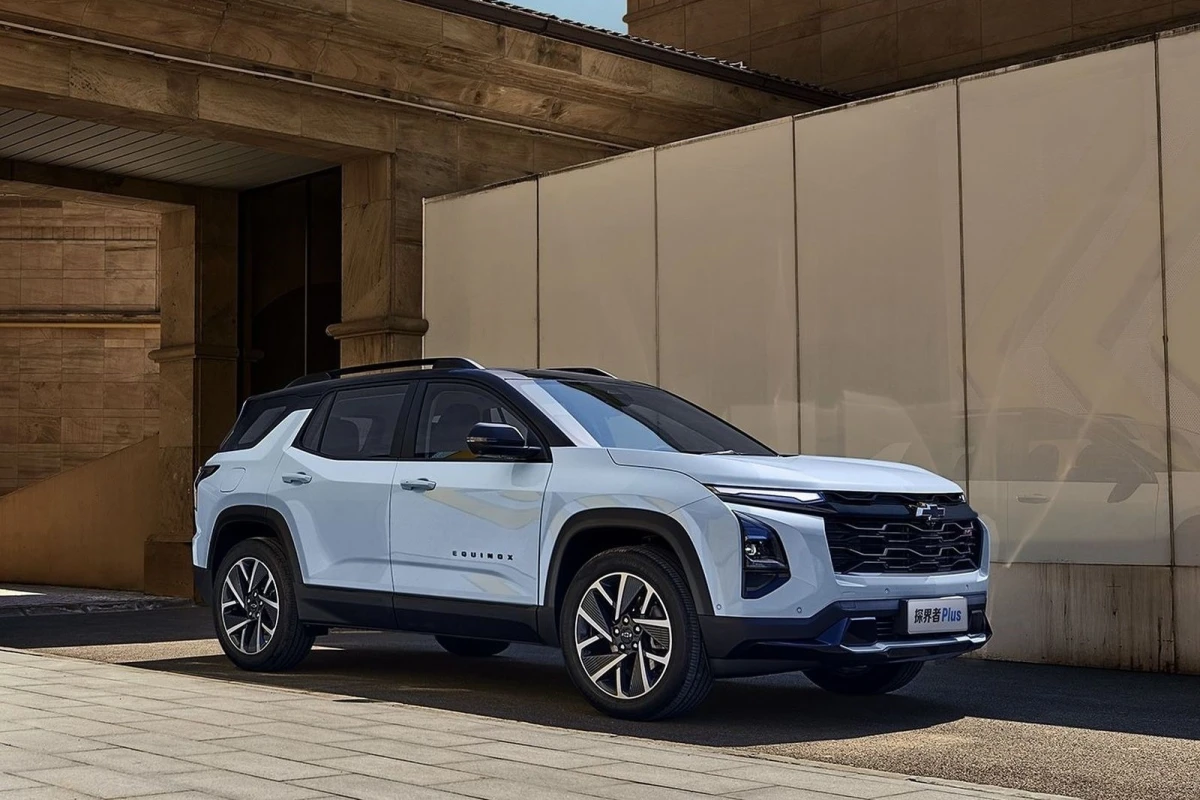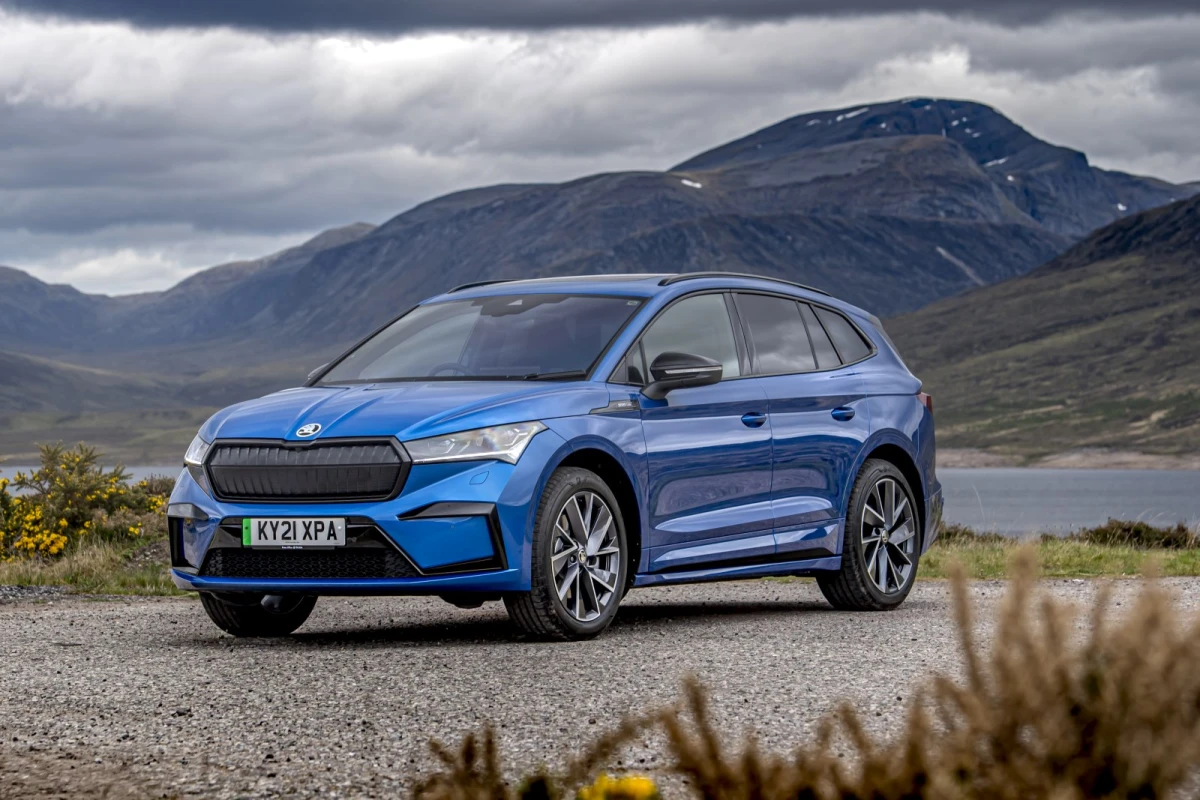
The concept is called the Freedom Car. It is not an enacted law, but a proposal submitted to Congress for consideration.
What a Freedom Car Would Be
The central idea is to establish a separate category of vehicles capable of operating fully without a network connection. Such a vehicle would not depend on cloud services, over-the-air updates, or continuous data transmission. The proposal would also allow manufacturers to offer versions without certain driver-assistance systems if buyers do not consider them necessary.
This would not mean eliminating electronics entirely. Modern engines, brakes, airbags, and other essential components are controlled by electronic modules. The proposal primarily concerns equipment connected to external servers, data collection, alerts, and automated intervention in vehicle operation.
Why the Initiative Was Proposed
Even entry-level versions of new vehicles increasingly come with connected infotainment systems, satellite navigation, telematics modules, and a range of driver-assistance features. These can include lane monitoring, traffic sign recognition, speed-limit warnings, and driver-attention monitoring.
Some of this equipment is installed to meet regulatory requirements, while other features are included at the manufacturers’ discretion. Automakers standardize electronic platforms across multiple markets because producing several technically different versions of the same model complicates manufacturing.
As a result, buying a new vehicle with a minimal number of connected features is becoming increasingly difficult. The Freedom Car concept is intended to establish a right to choose a simplified configuration instead of leaving such versions entirely at the manufacturer’s discretion.
Cost and Data Protection
Additional cameras, radar units, sensors, and communication modules affect a vehicle’s price. The costs extend beyond manufacturing, as complex equipment can also make diagnostics and post-collision repairs more expensive. Removing nonessential components could theoretically make entry-level versions more affordable.
Privacy is another concern. A connected vehicle can collect information about its location, routes, driving behavior, and mechanical condition. A vehicle operating independently of external servers could reduce the amount of transmitted information and the owner’s reliance on the manufacturer’s digital infrastructure.
Outlook for the Proposal
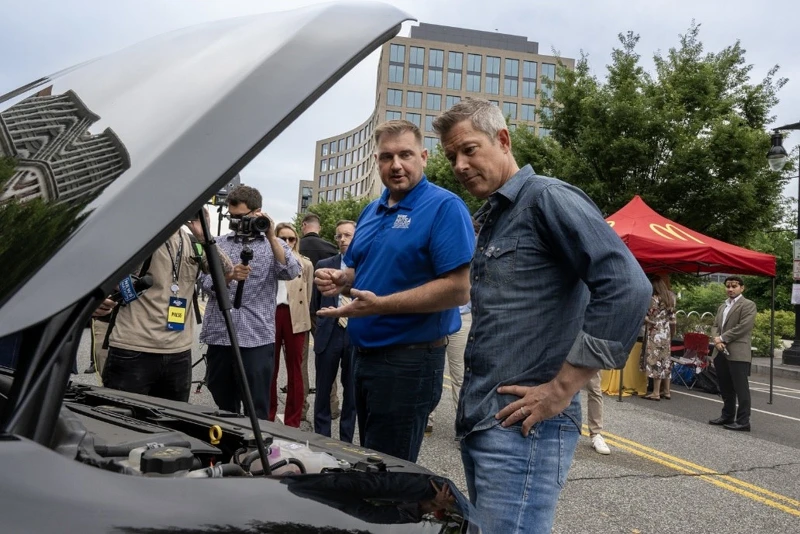
Sean Duffy outlined the initiative in a letter to Congress published by the American Road & Transportation Builders Association. Further consideration would require determining which systems could be made optional and which must remain mandatory under safety regulations.
For now, the Freedom Car remains a political and technical concept. Its goal is to create a market choice between a fully connected vehicle with an expanded suite of driver-assistance features and a simpler version that retains essential safety functions without a constant network connection.