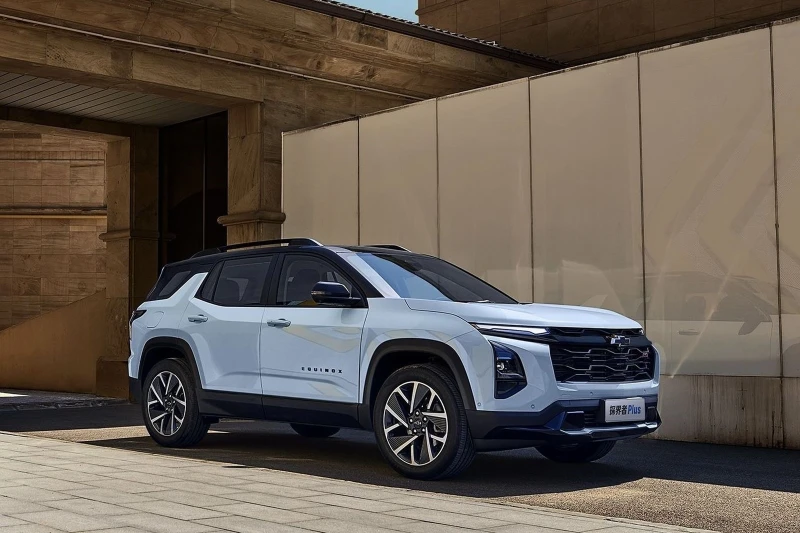
Over the past 11 years, the brand has lost nearly 99% of its local buyers, even though China was once one of its largest markets. At the same time, General Motors intends to retain vehicle production in the country and use its Chinese facilities for exports.
From record sales to minimal volume
Chevrolet reached its peak in China in 2014, when it sold more than 767,000 vehicles. At the time, the American brand offered a broad model lineup and operated in the rapidly growing market through a joint venture with state-owned automaker SAIC.
By 2025, Chevrolet's annual sales had fallen to fewer than 9,000 vehicles. That represented a decline of approximately 98.8% from the peak. According to German publication Automobilwoche, the brand decided to end its commercial operations in the Chinese market after 21 years in the country.
Why the market changed
Foreign automakers held strong positions in China for many years. Joint ventures gave them access to local factories and a large customer base, while their Chinese partners gained manufacturing expertise and modern technology.
The balance of power has shifted in recent years. Domestic companies accelerated the development of new models and became more responsive to buyer preferences. Their advantage has been particularly noticeable in electric vehicles, plug-in hybrids, software and digital cabin technology.
Demand has also changed. Younger buyers no longer view a vehicle's foreign origin as an automatic advantage. Chinese brands offer modern powertrains, advanced electronics and competitive prices while updating their model lineups faster than many global automakers.
Production in China will continue
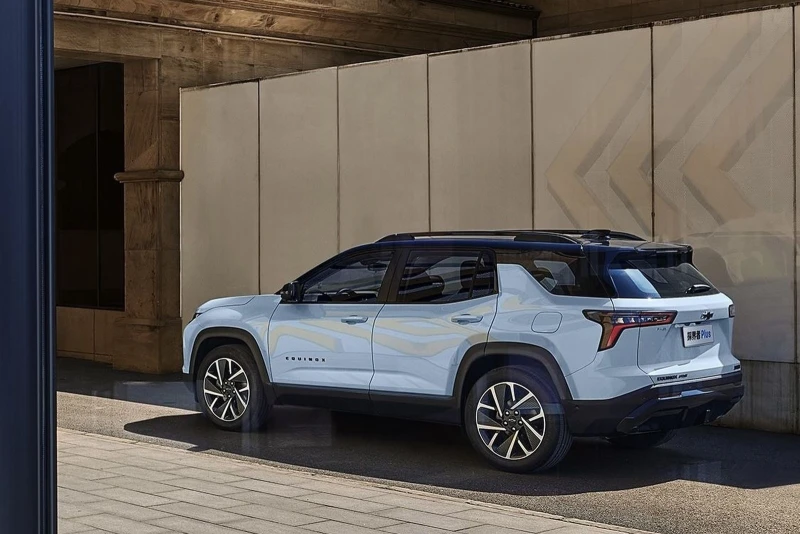
Chevrolet's departure does not mean General Motors will completely cease operations in the country. Its joint venture with SAIC will continue building vehicles for export markets. China's industrial base remains attractive because of its extensive manufacturing capacity, established supplier network and potential for controlling production costs.
General Motors also plans to make broader use of technology developed by its Chinese operations. This could include EV platforms, battery systems, infotainment technology and other components that may later appear in vehicles for overseas markets.
Other brands face similar challenges
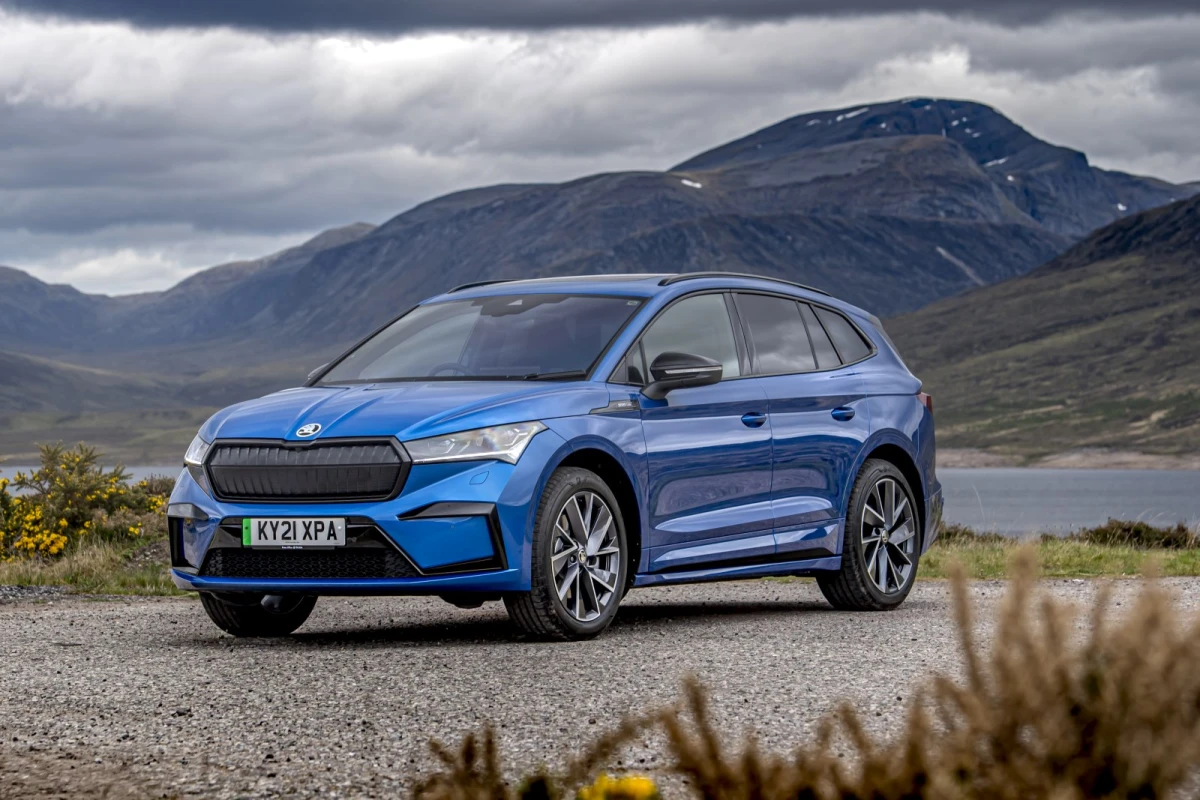
Chevrolet is not the only foreign brand reassessing its strategy in China. Škoda previously saw its sales fall from 341,000 vehicles in 2018 to 15,000 in 2025. Following that decline, Volkswagen Group decided to redirect the Czech brand's attention toward India and Vietnam.
Sales of some German automakers are also under pressure, although their performance varies by segment. Competition is intensifying particularly quickly in the mass-market segment, where pricing, digital features and the pace of model updates play a critical role.
Conclusion
Chevrolet is leaving the Chinese market as a standalone seller but retaining local production and its partnership with SAIC. The arrangement reflects China's changing role in the global auto industry: the country is becoming not only a major sales market but also a center for the development, production and export of automotive technology.