The update primarily focuses on design, an important consideration for a vehicle that has already become one of the most popular models in its segment.
The Role of Design in the Modern Auto Industry
Vehicle exterior development now moves considerably faster than it did in the past. Digital tools allow designers to model shapes and evaluate them without building physical prototypes during the early stages. This accelerates the process, but it can also lead to a greater number of unconventional and occasionally divisive styling decisions.
As a result, more models are reaching the market with distinctive designs intended to attract attention. Such approaches, however, are not always received uniformly, particularly when applied to mainstream vehicles.
Key Exterior Changes
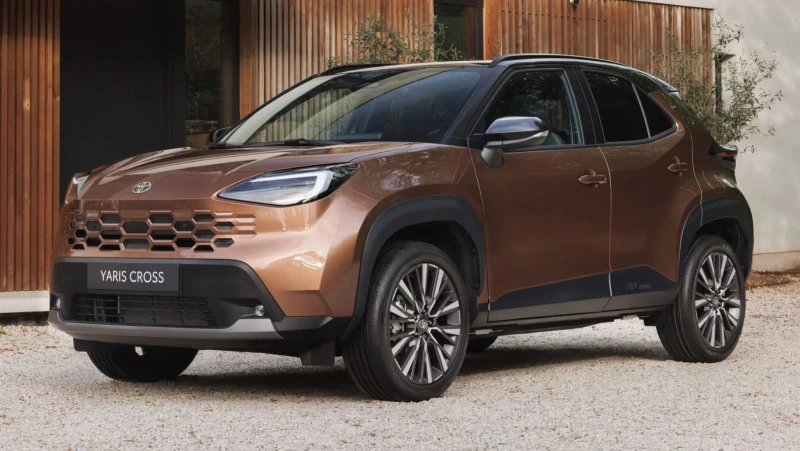
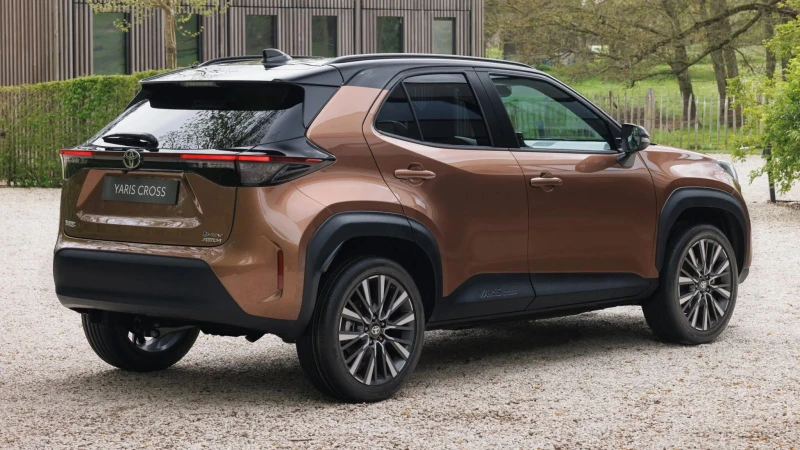
The main feature of the updated Yaris Cross is its redesigned front end. The previous treatment has been replaced by a large, strongly patterned grille that is visually integrated into the bumper. This gives the crossover a more assertive and prominent appearance.
The front bumper has also been revised, while the LED lighting receives updated graphics. The rest of the body remains largely unchanged, highlighting the targeted nature of the facelift.
- new grille with an integrated design
- redesigned front bumper
- updated lighting elements
- new exterior color options
- wheels measuring up to 18 inches
Toyota has also introduced a GR Sport version featuring different bumper designs and additional sport-inspired accents.
Practical Implications of the Update
The revised front-end construction could affect repair costs. Where individual components could previously be replaced separately, damage to the new grille may require replacement of a larger section of the front fascia. This could increase the potential cost of repairs.
Painting some components in the body color creates a more cohesive appearance, but it may also make minor cosmetic damage more noticeable and costly to address.
Interior and Powertrain
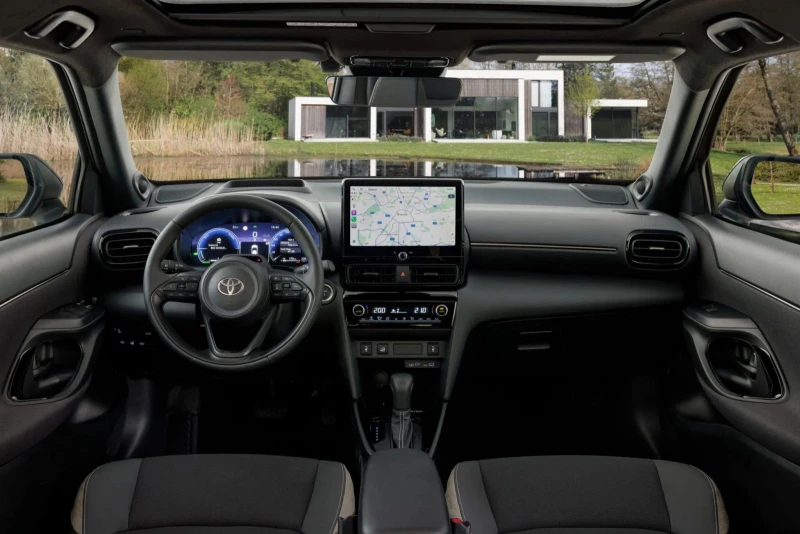
The interior remains largely unchanged. The cabin architecture, control layout and main components have been retained. Updates are limited to decorative trim and do not significantly affect functionality.
There are no major changes under the hood either. The model continues to use a 1.5-liter hybrid powertrain offered in two output levels:
- 116-horsepower version
- 130-horsepower version
Both versions send power to the front wheels through an eCVT transmission. The GR Sport receives a firmer suspension setup, although the overall chassis configuration remains unchanged.
Conclusion
The updated Toyota Yaris Cross follows a familiar formula for refreshing a successful model: noticeable exterior revisions combined with the retention of a proven technical foundation. This approach allows Toyota to maintain interest in the crossover without undertaking a comprehensive redesign.
Design is therefore likely to be the main factor shaping the response to this update, as the most significant changes are concentrated in the vehicle’s appearance.