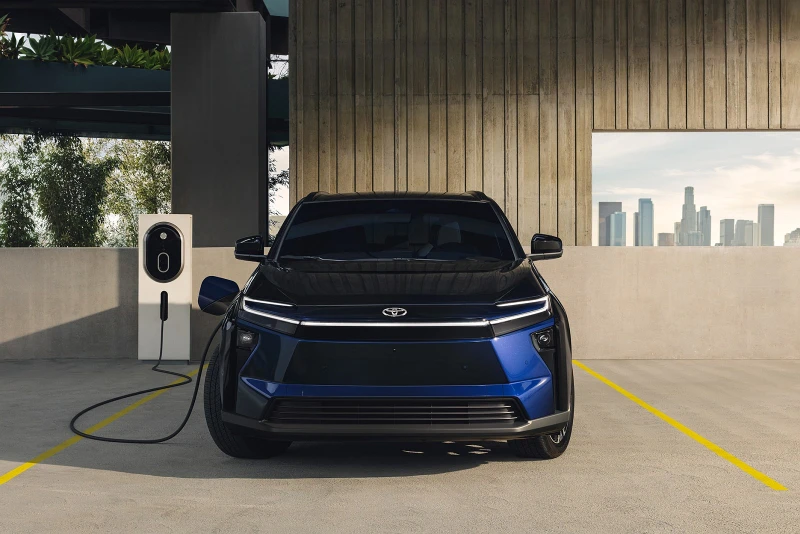
Toyota has been adjusting its approach to electric vehicles in recent periods. This development aligns with broader market trends. While many automakers have pursued rapid electrification, Toyota has maintained a measured strategy, which appears to align with current consumer preferences.
Competitors such as Audi and Volkswagen have reported sales declines and increasing costs, whereas Toyota has shown steady performance. Recent months indicate a profit increase of approximately 1.6%, sales growth of 8%, and nearly 2.8 million vehicles sold globally. These figures occur amid rising prices and fluctuating demand.
More EVs, Lower Results
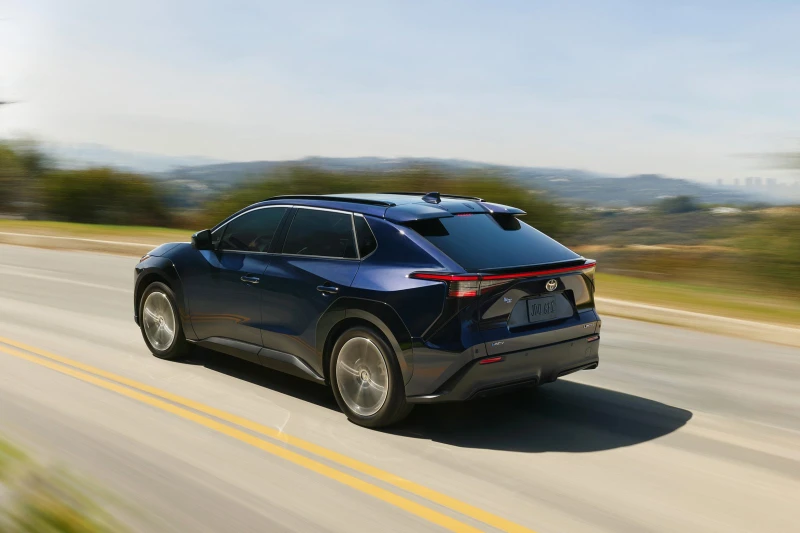
Despite an expanded lineup, Toyota's electric vehicles have underperformed expectations. The initial target for the fiscal year was around 277,000 units, but this has been reduced by 10%. This adjustment follows the introduction of additional models.
In the first half of the year, sales reached 117,000 electric vehicles, a figure that is modest for a company with significant market share. Consequently, Toyota has paused construction of a battery plant in Fukuoka. This decision reflects a response to current market conditions.
Flexibility Over Commitment
Critics note Toyota's adaptable approach. However, examining challenges faced by other brands suggests that rigid strategies may not suit volatile markets. Adaptability appears necessary in response to evolving conditions.
Looking ahead, Toyota plans to sell 1.5 million electric vehicles in 2026. This target contrasts with current trends. Future adjustments may align projections more closely with observed patterns.

Implications for Drivers
- Toyota continues to offer a wide range of hybrids, which align with current buyer interests.
- The company maintains a balance between technological advancement and practical considerations.
- Electric vehicles will continue to develop at Toyota, but without forced acceleration.
In summary, Toyota's strategy focuses on producing vehicles that meet market demand. Electric vehicles will progress at a pace consistent with real-world conditions, without overriding practical constraints.