


At the beginning of 2026, Tesla indicated that it is approaching a significant milestone in its history. The company is gradually moving away from developing vehicles intended for traditional driver control and is increasingly emphasizing a course toward autonomous transportation solutions. These changes affect both the current model lineup and plans for releasing new vehicles.
End of Life Cycle for Model S and Model X
One of the most notable steps was the decision to discontinue production of the Model S and Model X. The first has been on the market for about fourteen years, the second for more than eleven. For the automotive industry, this is a very long period, and most manufacturers introduce multiple generations of successors during that time. Tesla, however, maintained these models for a long time without radical updates, which ultimately led to their removal from the lineup without direct replacements.
Officially, the company explains this decision by the need to free up production capacity for other projects. However, in reality, demand for these vehicles has noticeably declined, and development of new flagship sedans and crossovers was not pursued. As a result, Tesla chose to close this direction rather than invest in creating new generations.
Transition from Automaker to Mobility Solutions Provider
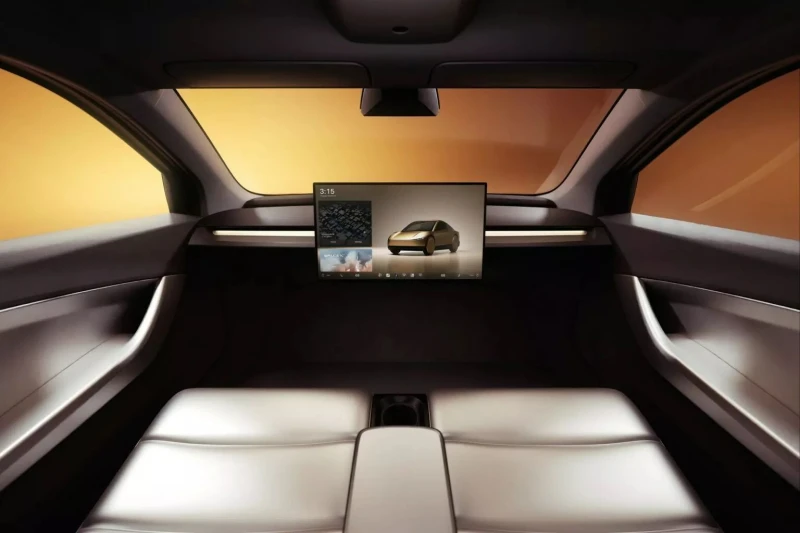
In parallel, the company's leadership is increasingly discussing the transformation of Tesla from a traditional automaker into a provider of mobility services. A central role in this strategy is assigned to fully autonomous vehicles. According to statements, in the long term, the company intends to produce exclusively such vehicles that do not require active driver involvement.
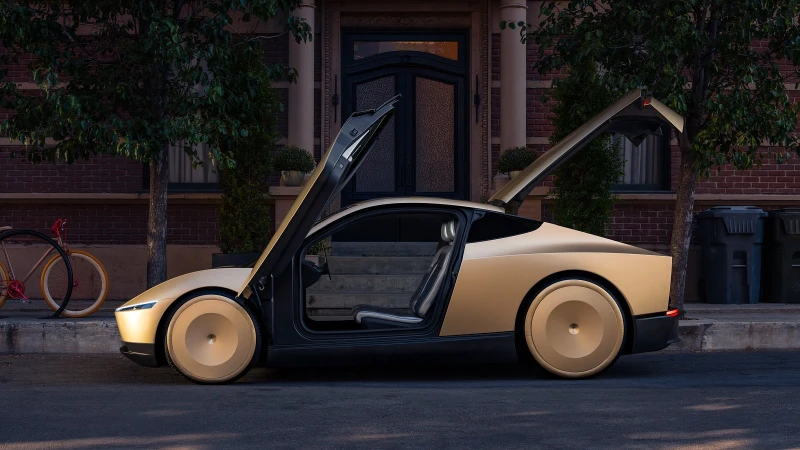
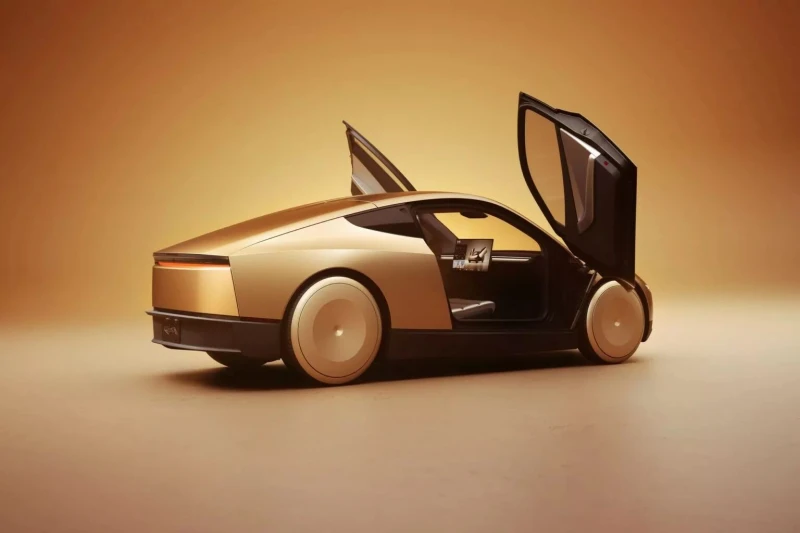
A key element of this direction should be the Cybercab project—a specialized autonomous vehicle, the launch of which is announced for April. However, timelines for implementing such projects are traditionally approximate, and the actual start of production may shift.
Exception in the Form of the New Roadster
The only vehicle that formally remains outside this concept is the second-generation Roadster. Its serial debut is also slated for April, although nearly ten years have passed since the concept was shown. The project has been repeatedly delayed, and the initially announced specifications, including acceleration to 100 km/h in less than 2 seconds and a top speed of about 400 km/h, no longer appear unique over this time.
The expected price of the Roadster is estimated at around 230,000 euros, placing it in the niche of expensive image vehicles. Against the backdrop of growing competition and a prolonged development pause, the question remains open as to how significant this project will be for the company.
Conclusions and Near-Term Prospects
The announced changes indicate Tesla's aspiration to shift emphasis from traditional automotive manufacturing to autonomous technologies and new mobility formats. At the same time, the current model lineup will continue to play an important role in the company's business for a long time, and the implementation of ambitious plans for autonomous vehicles largely depends on their practical readiness and market demand.