


In the Netherlands, long regarded as a leader in electric transport adoption, sales of such vehicles have sharply declined following the adjustment of a single financial measure. This situation provides a clear view of the real impact of fiscal incentives on demand.
The Role of Tax Advantages in Shaping Demand
The high share of electric vehicles in the Dutch market has not primarily resulted from widespread private buyer interest, but rather from a system of tax incentives. Electric vehicles benefited from significant advantages in registration, corporate use, and road tax assessment. Meanwhile, vehicles with gasoline and diesel engines faced notably higher fees, making their ownership less financially appealing.
A particularly key factor was the discount on road tax, which had long stood at 75 percent. For corporate fleets and company cars, this was decisive, as it allowed for substantial reductions in monthly expenses.
What Changed in 2026
From January 2026, the road tax discount for electric vehicles was reduced from 75 to 30 percent. Other elements of the system remained unchanged: tax reliefs for electric machines were preserved, and fiscal pressure on internal combustion engine vehicles did not decrease.
Formally, this was a relatively minor adjustment. For a typical electric vehicle, the road tax in the Netherlands amounts to about 100 euros per month, so the actual increase in costs was around 40–50 euros. However, even this proved sufficient to elicit a sharp market reaction.
Sharp Decline in Sales
According to industry associations, approximately 28,300 new vehicles were registered in the country in January 2026, a 13 percent decrease from the previous year. Electric vehicle sales fell by more than a third—from about 11,100 to 7,200 units. Their market share dropped from 34 to 25 percent in just one month.
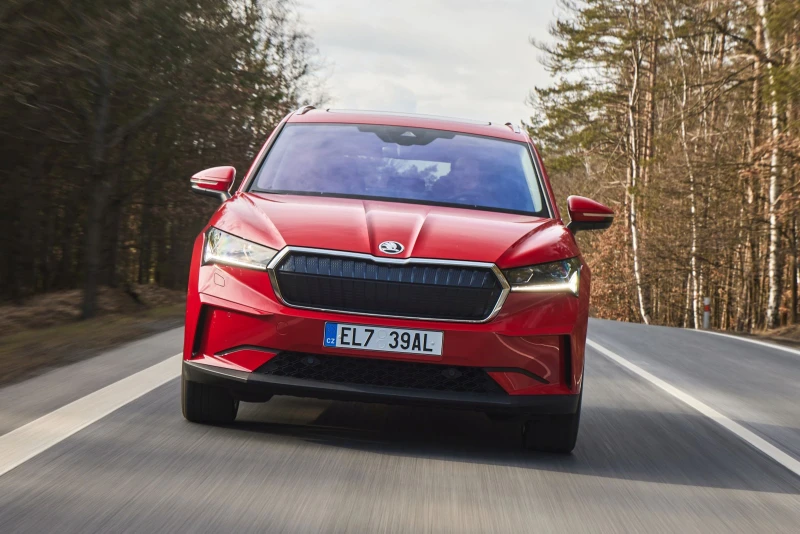
Against this backdrop, compact vehicles with gasoline engines reappeared in the list of top-selling models. Even under high tax burdens, they became more in demand than electric counterparts that had recently held leading positions.
Impact on Model Lineup and Pricing
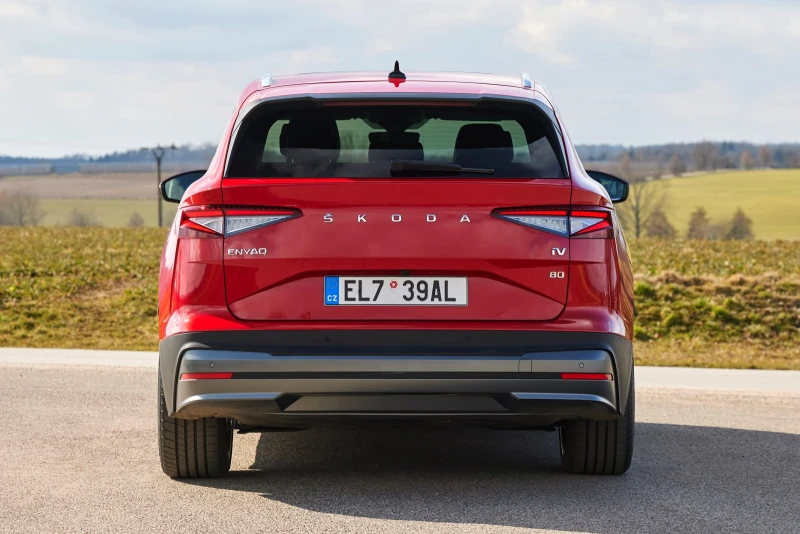
The changes also affected the balance among brands. For instance, crossovers and liftbacks with traditional engines, priced in the Netherlands starting from around 35,000–40,000 euros for base versions, began selling noticeably better than electric models of comparable cost. Just recently, electric vehicles in the same price range had driven primary sales volumes for brands.
Conclusions
The Dutch experience illustrates that high demand for electric vehicles is largely shaped by tax incentives. Even a partial reduction in one benefit led to a sharp sales decline, despite the retention of most advantages. This situation clearly shows how closely the electric transport market is tied to government regulation and how quickly demand structures change with adjustments to financial conditions.