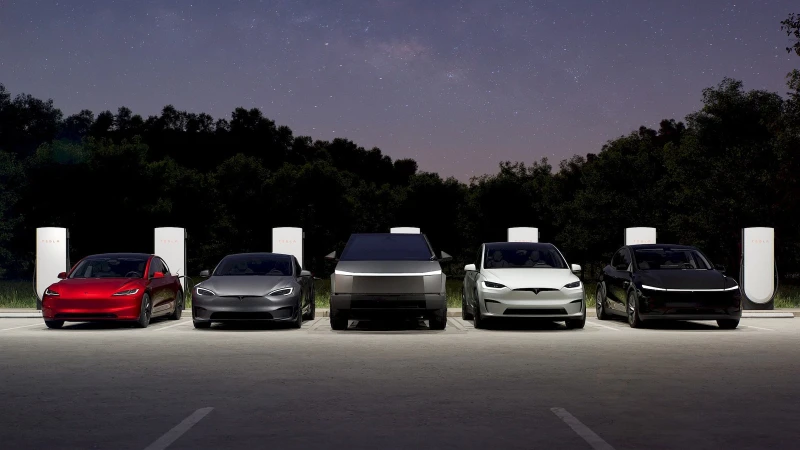
Recent figures reveal that the company is grappling with sustained softening in demand, an issue impacting not just Tesla but many of its direct rivals as well.
Tesla Sales Dynamics
For the full year, Tesla delivered 1,636,129 vehicles, with 418,227 units in the final quarter alone. These numbers mark the second consecutive year of declining deliveries compared to the prior period. While the previous year's dip was modest, 2025 saw an 8.5% drop year-over-year, accelerating to 15.6% in the fourth quarter.
Adding to the pressure was production outpacing actual deliveries. In the fourth quarter alone, Tesla built 434,358 vehicles—16,131 more than it shipped. This gap signals building inventory and the need for incentives to boost buyer interest.
Lineup Challenges
The bulk of deliveries continue to come from the Model 3 and Model Y. Other models lagged significantly, with combined fourth-quarter deliveries of just 11,642 units—down 50% from the year-ago period. This category includes newer offerings like the Cybertruck, which have yet to meaningfully shift the overall sales picture.
Competitor Performance
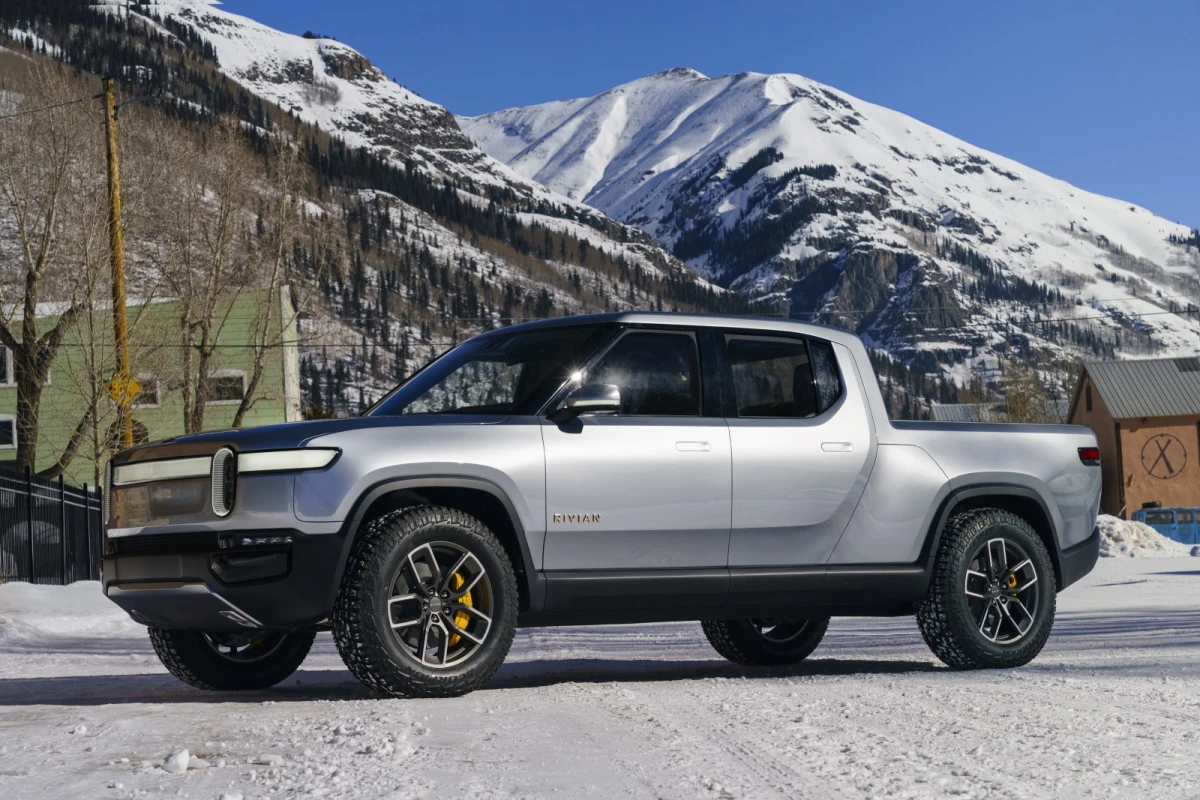
Despite Tesla's hurdles, its position remains relatively solid compared to other EV makers. Rivian delivered 9,745 vehicles in the fourth quarter, reflecting a 31.3% decline year-over-year. Full-year Rivian deliveries fell 18.1% to 42,247 units. Similar patterns emerged among other domestic brands, while Chinese manufacturers maintained volumes thanks to strong home-market support.
Broader Context
The pullback in EV interest coincided with slower model refreshes and the fading impact of past incentives. For now, Tesla lacks a diversified business segment large enough to offset weakness in its core automotive operations.
Conclusion
Current data indicates that Tesla and the wider EV sector are navigating a corrective phase. Deliveries are trending lower, competition is intensifying, and future growth will hinge on fresh model launches and adapting to evolving consumer preferences.